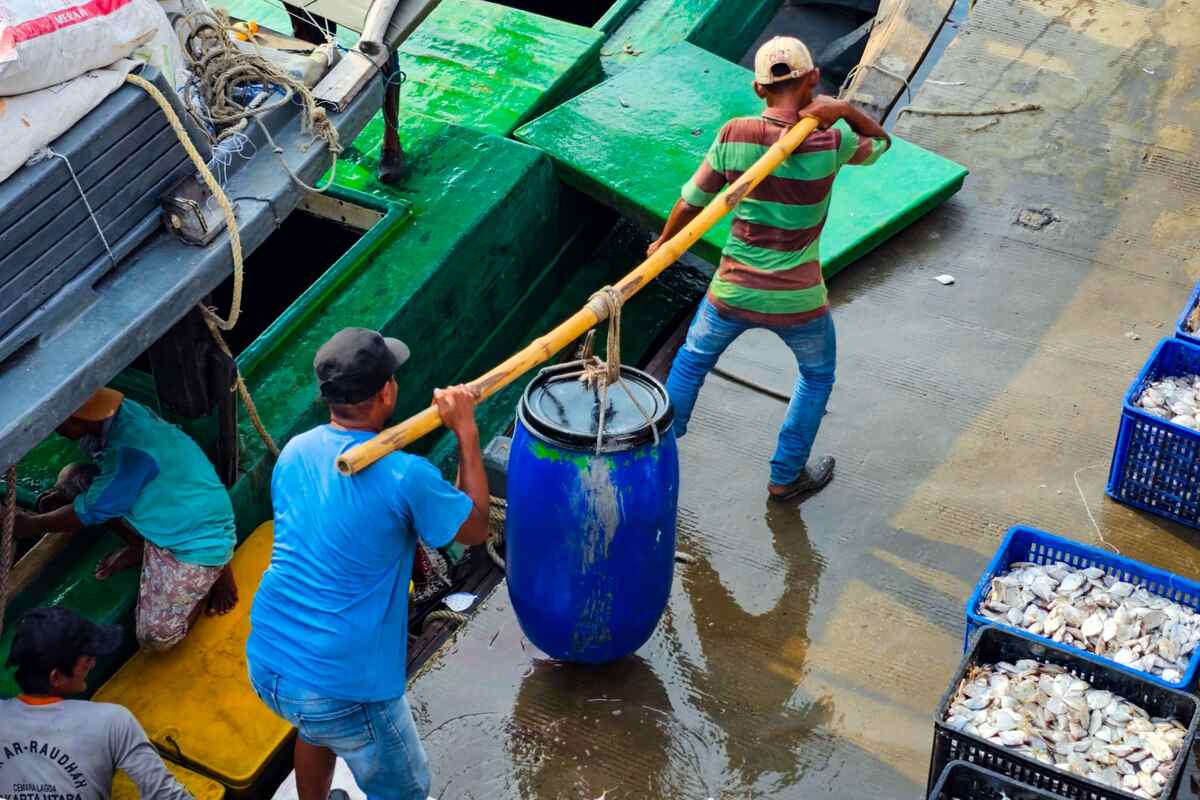
Global importers are rethinking where their fish, shrimp, and shellfish come from, and Indonesia keeps rising to the top of the shortlist. Between abundant marine resources, competitive pricing, and a growing compliance infrastructure, a reliable seafood supplier that Indonesian buyers can trust is no longer hard to find; it’s a matter of knowing where to look. This article breaks down the data, the drivers, and the practical checklist international buyers use to source with confidence.
What Makes Indonesia a Competitive Seafood Sourcing Destination?
Indonesia is the world’s largest archipelagic nation, with over 17,000 islands and roughly 5.8 million square kilometers of marine territory. That geography alone gives the country access to an extraordinary diversity of species: tuna, skipjack, shrimp, squid, octopus, crab, grouper, and snapper, among them harvested from some of the richest fishing grounds on earth, including the Coral Triangle. Combine that natural abundance with government-backed export incentives, lower labor and production costs than many competing regions, and an expanding network of certified processing facilities, and it’s easy to see why buyers across the US, Mexico, Europe, and Asia are increasingly working with an Indonesian seafood exporter for long-term supply contracts.
Indonesia’s Seafood Export Performance by the Numbers
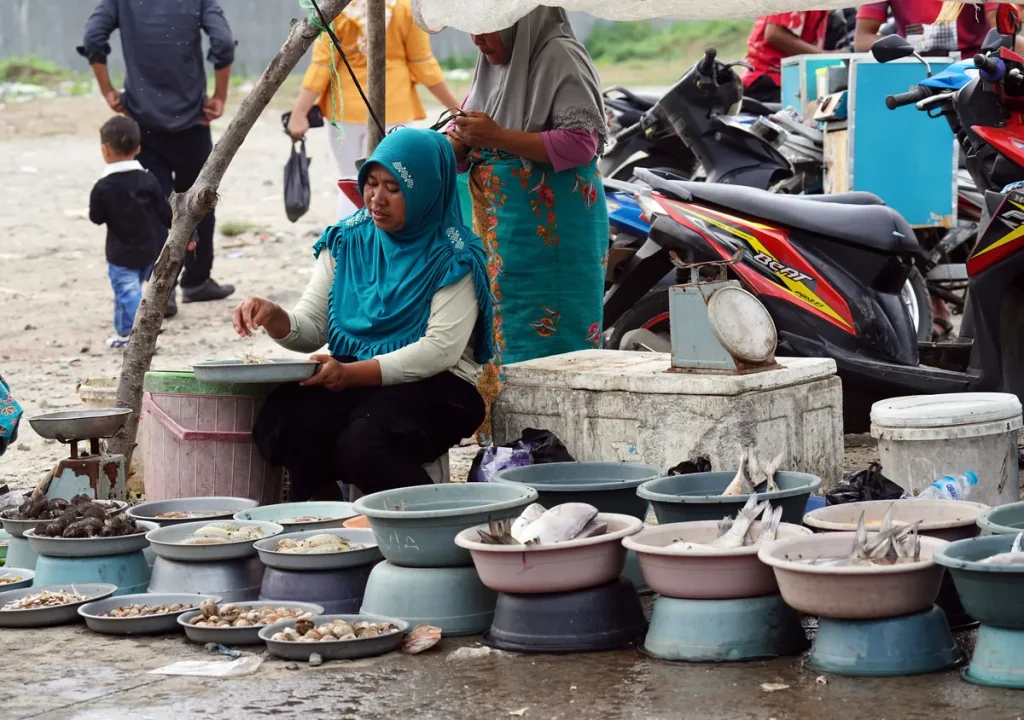
The data backs up the trend. Recent industry reporting shows just how fast Indonesia’s fishery trade has grown:
| Metric | 2025 Figure |
| Total seafood export value | USD 6.27 billion (up 5.2% year-on-year) |
| Largest export market | United States — USD 1.99 billion |
| Shrimp exports to the US | USD 1.87 billion |
| National fishery trade surplus | USD 5.6 billion (up 3% year-on-year) |
| Annual shrimp production | 1.2–1.3 million tons |
Indonesia’s Ministry of Marine Affairs and Fisheries (KKP) has also approved dozens of additional processing facilities for export to China, and new tariff agreements, including zero-percent duty on processed tuna and skipjack under the Indonesia–Japan Economic Partnership Agreement, are opening more favorable trade lanes for exporters and their overseas partners alike.
Why Do International Buyers Trust Indonesian Seafood Suppliers?
Trust is built on three things: consistency, traceability, and compliance. A dependable seafood supplier in Indonesia today typically operates under HACCP-, BRC-, or BAP-aligned quality systems, maintains complete catch documentation for traceability, and works within Indonesia’s National SIMP (Seafood Import Monitoring Program) framework, which is essential for shipments entering the US market. Buyers who once relied solely on suppliers in China, Vietnam, or Ecuador are now diversifying toward Indonesian frozen seafood exporter partners specifically because of this improving compliance track record, paired with pricing that remains highly competitive per kilogram. It’s this combination of documentation and price that keeps a well-vetted seafood supplier in Indonesia at the top of global procurement lists.
Key Product Categories from Indonesia’s Fishery Sector
Indonesia’s fishery product portfolio is broad, but a handful of categories dominate export value:
- Shrimp – vannamei and black tiger, both farmed and wild-caught
- Tuna and skipjack – whole, loin, and sashimi-grade cuts
- Squid, cuttlefish, and octopus – whole, cleaned, or ball-cut formats
- Crab – blue swimming crab meat, a top US import category
- Snapper and grouper – premium reef fish for foodservice markets
- Seaweed – raw and processed, for food and industrial use
Most of these move internationally as frozen seafood products, using IQF (individually quick-frozen) or block-frozen methods that preserve texture and shelf life during long-haul shipping.
What Certifications and Compliance Standards Should Buyers Look For?
Before signing with any seafood export company, buyers should confirm a supplier holds, or is actively working toward, HACCP certification, BAP (Best Aquaculture Practices) certification, and full SIMP traceability documentation for US-bound shipments. FDA prior-notice compliance is also non-negotiable for the American market. These aren’t just paperwork requirements; they directly reduce the risk of customs holds, rejected shipments, and reputational damage down the supply chain.
Cost Advantage: How Indonesia Compares to Other Sourcing Countries
Labor and raw material costs in Indonesia remain lower than in several competing seafood-exporting nations, allowing a well-run seafood supplier operation in Indonesia to offer landed prices that are difficult to match without sacrificing quality. This price advantage, paired with high production volumes from both capture fisheries and aquaculture, is a major reason distributors and foodservice buyers continue to shift purchase volume toward Indonesian-origin products.
How to Choose the Right Seafood Supplier in Indonesia
Not every exporter is equipped to serve international accounts reliably. When evaluating a seafood supplier in Indonesia, buyers should look for:
- A verifiable export track record with existing US or international clients
- HACCP/BAP certification and SIMP-compliant documentation
- Cold chain infrastructure from processing plant to port
- Transparent pricing and consistent lead times
- Direct communication with the exporter not just a trading intermediary
Working directly with an established seafood distributor or processor, rather than a layered broker chain, also tends to improve pricing transparency and quality control.
Sourcing with a Proven Partner: CV Anugerah Bahari Mandiri
Based in Makassar, South Sulawesi, one of Indonesia’s most productive fishing regions, CV Anugerah Bahari Mandiri supplies fresh and frozen fishery products to buyers across the US, Mexico, and beyond. As an experienced seafood trader and processor, the company has built its reputation on traceable sourcing, consistent frozen seafood export capability, and direct support for premium seafood buyers in the US and Mexico markets. For buyers evaluating seafood export product requirements, traceability standards like BAP certification, or how Indonesian pricing compares in terms of quality, the company’s resource hub covers each step of the sourcing decision. Learn more about the company or get in touch to start a conversation about long-term supply.
Frequently Asked Questions
Indonesia offers abundant marine resources, lower production costs, and growing certification standards, making it a competitive and reliable global sourcing destination.
Shrimp, tuna, skipjack, squid, octopus, crab, and seaweed are Indonesia’s top-value export categories.
Yes, when suppliers hold HACCP and BAP certifications and comply with SIMP and FDA requirements for traceability and food safety.
Indonesia’s seafood exports reached USD 6.27 billion in 2025, a 5.2% increase from the previous year.
SIMP (Seafood Import Monitoring Program) is a US traceability requirement; compliant Indonesian suppliers can ship qualifying species without customs delays.
Look for certified exporters with a proven track record, transparent documentation, and direct communication, not layered broker chains.
Yes, IQF and block-freezing methods preserve texture and freshness, making Indonesian frozen seafood competitive with fresh-caught alternatives.
Ready to source seafood from a certified, traceable Indonesian supplier? Contact CV Anugerah Bahari Mandiri today to discuss your import requirements.