
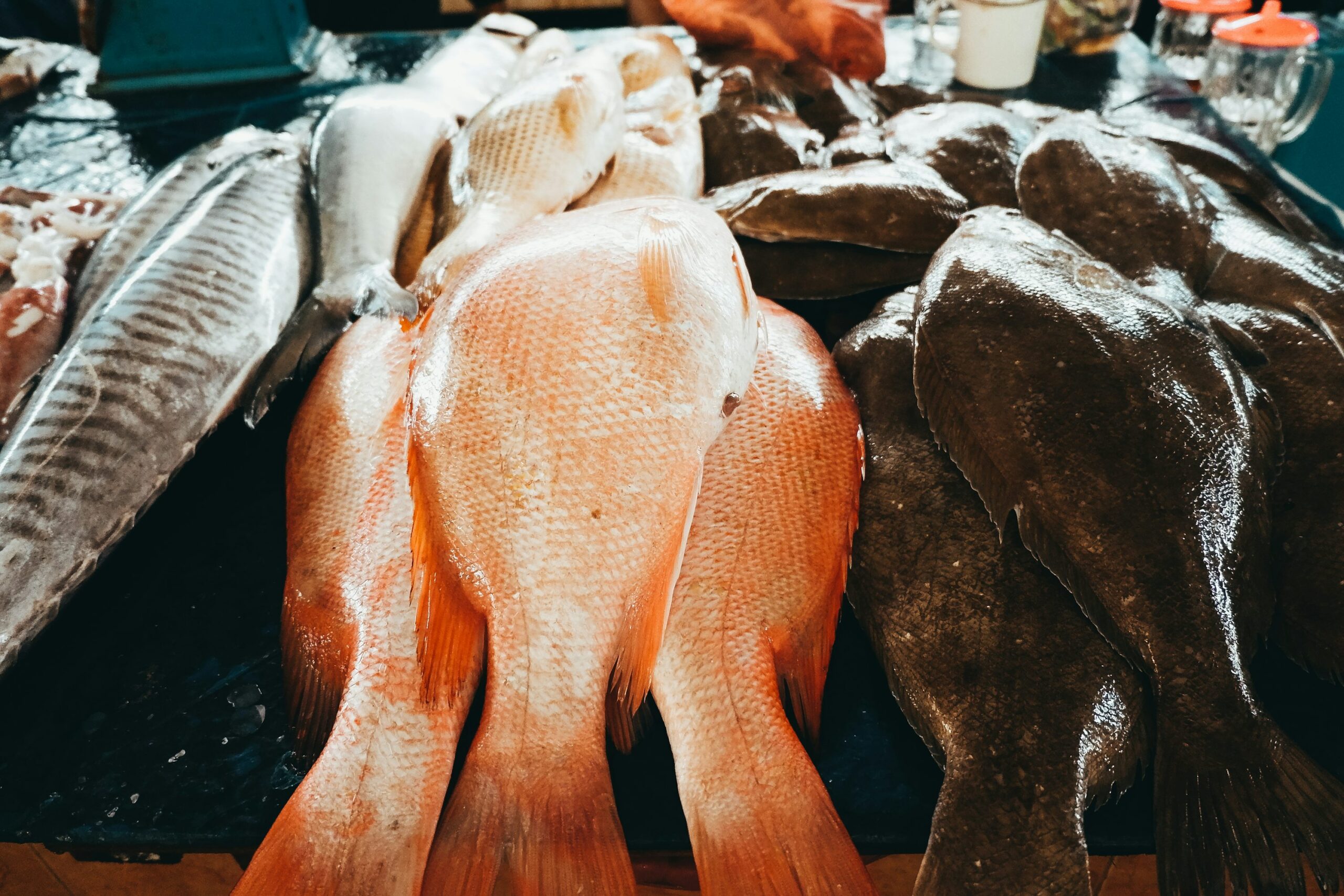
If you source seafood for the US market, you already know that supply reliability, price, and compliance are everything. What you may not have fully accounted for is how aggressively Indonesia has repositioned itself as the world’s most compelling seafood origin for US buyers. In 2024, the United States was Indonesia’s largest single export destination for fishery products, importing USD 1.90 billion worth of seafood from the archipelago, more than China, Japan, and the EU combined. That number isn’t a fluke. It reflects years of cold-chain investment, species diversification, and the emergence of certified seafood export companies capable of meeting international food safety standards at scale. For US importers, distributors, and food service buyers, this shift creates a direct sourcing opportunity that is difficult to ignore.
Why the US Relies on Indonesian Seafood More Than Most Buyers Realise
The United States does not produce enough seafood to feed itself. According to NOAA data cited in the ACT Capital Advisors Seafood Industry Report (H1 2025), 75-90% of all seafood consumed in the US is imported, with total import value reaching USD 25.5 billion in 2024. That figure represents an enormous, structurally permanent dependence on overseas supply chains, and Indonesia is one of the most important links in that chain.
Indonesia is the world’s fourth-largest seafood exporter by total value, with fisheries exports of USD 4.03 billion in 2024, behind only Norway, China, and Chile. Within the global seafood trade, Indonesia occupies a specific and highly valued niche: wild-caught, species-diverse, competitively priced, and increasingly compliant with US traceability and food safety requirements.
For US buyers evaluating sourcing options, the combination of volume, species range, and price makes Indonesia hard to match.
The Species Portfolio: What Indonesian Seafood Exporters Actually Offer
One reason US buyers are deepening their relationships with Indonesian seafood suppliers is the sheer breadth of their product offerings. Indonesia’s waters, spanning the Indian Ocean, the Banda Sea, the Sulawesi Sea, and the Pacific, produce an extraordinarily diverse catch. This isn’t a single-species supplier story.
Indonesia’s top five export commodities in 2024 tell that story clearly:
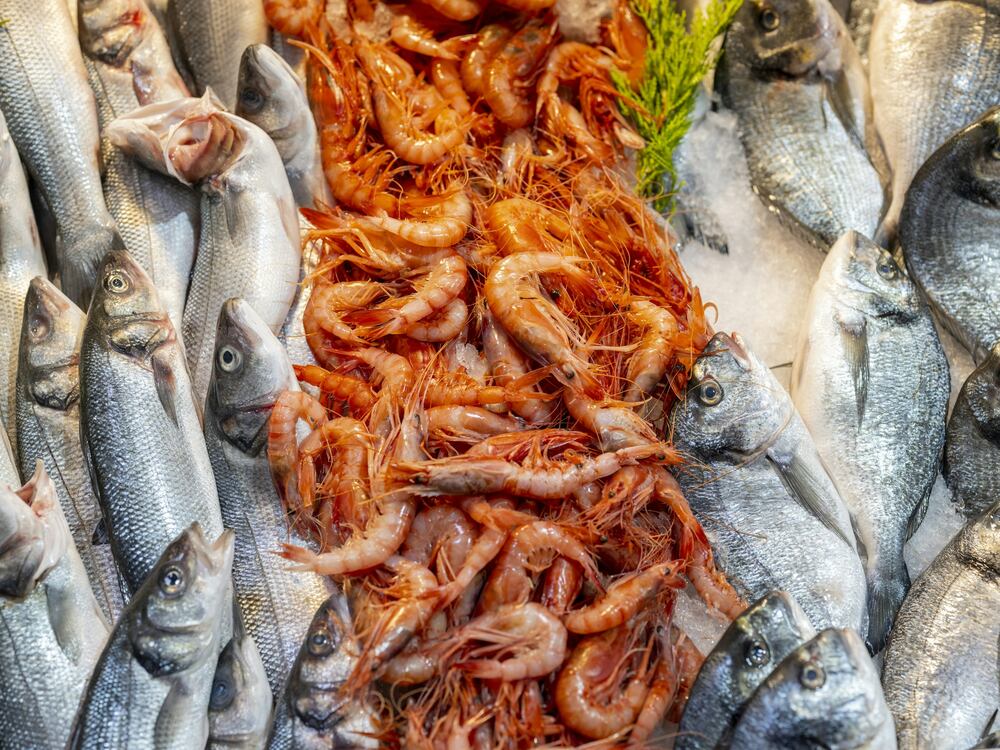
- Shrimp — USD 1.68 billion (28.2% of total fisheries exports)
- Tuna, Skipjack & Bonito — USD 1.03 billion (17.4%)
- Squid, Cuttlefish & Octopus — USD 874 million (14.7%)
- Crab & Blue Crab — USD 511 million (8.6%)
- Seaweed — USD 342 million (5.7%)
Beyond these five, Indonesian waters also yield strong commercial volumes of milkfish, grouper, mackerel, mahi-mahi, marlin, ribbon fish, and wahoo, many of which are available as frozen seafood products in IQF, block-frozen, and sea-frozen formats that meet US import specifications.
Tuna-skipjack-bonito exports grew 11.6% year-on-year in 2024. Squid, cuttlefish, and octopus grew 14.63%. Crab exports rose 14.3%. These growth rates reflect both increased demand from US buyers and improvements in cold-chain and processing infrastructure within Indonesia.
How Indonesian Frozen Seafood Now Meets US Market Standards
A few years ago, the most common objection to Indonesian seafood among US buyers was regulatory compliance, food safety documentation, traceability, and cold-chain consistency. That objection has been eroding steadily, and for good reason.
Indonesia’s seafood processing sector has invested substantially in HACCP certification, EU and US FDA-compliant facilities, and temperature-controlled logistics. Processing plants exporting to the US must meet SIMP (Seafood Import Monitoring Program) requirements, a US federal regulation that requires documentation of harvest location, species, gear type, and vessel information to combat IUU (illegal, unreported, and unregulated) fishing. Indonesian exporters who have built SIMP-compliant documentation chains are now routinely preferred by US retailers and food service operators who carry compliance risk on their books.
This is particularly relevant for buyers sourcing from a seafood supplier company based in Sulawesi, where wild-caught stocks from the Banda Sea and eastern Indonesian waters are among the most traceable in the region. The key is working with an established exporter who can provide full chain-of-custody documentation rather than relying on spot-market intermediaries.
For US seafood distributors and importers, the practical question is not whether Indonesian seafood meets the standard — it increasingly does. The question is which specific supplier has the operational infrastructure to deliver consistently.
The Competitive Price Advantage and the Tariff Context
Indonesian seafood remains competitively priced relative to other major US supplier nations, but the tariff environment in 2025 has added nuance that buyers need to understand. Indonesia currently faces a proposed 19% tariff under the US administration’s broader tariff restructuring, compared to Vietnam’s 20%, India’s 25%, and Canada’s 35%. In absolute terms, Indonesia’s tariff position is among the most favourable of the major Asian seafood exporters in this environment.
The tariff situation has produced one clear behavioural signal in the market: Indonesian exporters accelerated shipments to the US in early to mid-2025, with shrimp exports in May 2025 rising 27% year-on-year to 21,288 metric tons, driven by US importers pushing to front-load inventory ahead of anticipated cost increases. This “rush to import” dynamic (documented in the ACT Capital H1 2025 Seafood Industry Report) created inventory buffers for US buyers who acted quickly.
For buyers now evaluating medium-term supply strategies, the implication is clear: locking in relationships with certified Indonesian frozen seafood exporters provides price-stability leverage, especially as competing supplier nations face higher tariff headwinds.
What to Look for in an Indonesian Seafood Supplier
Not every Indonesian seafood exporter operates at the same level. For US and international buyers, the checklist for evaluating a potential supplier should include:
- Processing certification: HACCP certification is the baseline. US-bound products should be from facilities registered with the US FDA.
- Species documentation: SIMP-compliant documentation must be available for all US-bound catches. Ask specifically for catch certificates and vessel documentation.
- Cold-chain capability: Ask about blast-freezing temperature (−40°C ABF machines are industry standard for IQF product) and storage conditions (−20°C minimum for frozen hold).
- Product flexibility: Can the supplier deliver IQF, block-frozen, sea-frozen, and custom specifications? Can they process fillet, whole-round, gilled-gutted, and steak cuts?
- Export history: A supplier with active, documented US and international export history carries lower counterparty risk.
CV Anugerah Bahari Mandiri, based in Makassar, South Sulawesi, operates as a direct seafood export company with wild-caught fishery products sourced from Indonesian waters and processed using ABF (−40°C) blast-freezing and −20°C cold storage. The company exports across multiple species categories, including tuna, pelagic fish, demersal fish, cephalopods, milkfish, and shrimp, in formats suited to US import requirements.
The Bigger Picture: Indonesia’s Seafood Sector Through 2030
The structural case for Indonesia as a preferred seafood origin runs beyond current pricing. Indonesia manages approximately 6.3 million km² of ocean territory among the largest exclusive economic zones in the world. The archipelago sits at the heart of the Coral Triangle, the planet’s most biodiverse marine region, which sustains wild-catch stocks that are less subject to the stock depletion pressures affecting Atlantic and Pacific fisheries closer to the US.
The global seafood market stood at approximately USD 360 billion in 2024 and is projected to reach USD 800–950 billion by 2032, growing at a 10% CAGR. Indonesia’s fisheries sector, currently producing at USD 5.95 billion in exports, has significant headroom to grow within that trajectory.
For US seafood distributors, importers, and food service buyers thinking about supply chain strategy beyond the next quarter, the question of Indonesia is less “should we source here” and more “how do we build the supplier relationships that will give us reliable access as demand grows.”
Where to Start: Sourcing Indonesian Seafood for the US Market
The practical first step for US buyers new to direct Indonesian sourcing is to identify exporters who can provide full documentation, consistent cold-chain logistics, and the flexibility to meet US customer specifications. Brokers and spot-market intermediaries exist, but they introduce margin layers and reduce documentation control.
Working directly with a certified seafood supplier based in Indonesia allows buyers to negotiate specifications, control lead times, and build long-term supply relationships that protect against market disruptions.
For buyers who want to explore what’s available from Indonesian waters, from yellowfin tuna and skipjack to squid, grouper, and mackerel, a good starting point is reviewing what established exporters actually have in their product catalogue.
FAQ
What makes Indonesian seafood competitive in the US market?
Indonesia offers competitive pricing, diverse species, improved cold-chain infrastructure, and SIMP-compliant documentation, making it a reliable source for US importers and distributors.
What seafood products does Indonesia export to the US?
Indonesia’s top US exports include shrimp, tuna, squid, crab, mackerel, grouper, milkfish, and mahi-mahi, available as frozen whole, fillet, IQF, or block-frozen formats.
Is Indonesian seafood compliant with US food safety regulations?
Yes. Exporters registered with the US FDA and SIMP-certified can legally export to the US with full traceability documentation required by federal law.
What is a frozen seafood exporter?
A frozen seafood exporter is a certified processing company that blast-freezes, packages, and ships fishery products internationally, meeting destination country food safety and documentation standards.
How do I find a reliable seafood supplier in Indonesia?
Look for FDA-registered exporters with HACCP certification, documented US export history, cold-chain capabilities (−40°C ABF / −25°C storage), and SIMP-compliant paperwork.
What is the difference between a seafood distributor and a seafood exporter?
A seafood exporter processes and ships products from the country of origin. A seafood distributor receives imported product and redistributes it within the destination market. They serve different parts of the supply chain.
How much seafood does Indonesia export to the US annually?
In 2024, Indonesia exported USD 1.90 billion in fishery products to the US, making it Indonesia’s largest seafood export destination and accounting for roughly 30% of total fisheries exports.
Why is shrimp the top Indonesian seafood export?
Shrimp accounts for 28.2% of Indonesia’s total fisheries exports (USD 1.68 billion in 2024) due to large-scale aquaculture production, competitive processing costs, and strong US consumer demand.
Are there tariffs on Indonesian seafood entering the US?
As of 2025, Indonesia faces a proposed 19% tariff under current US trade policy, lower than those of Vietnam (20%), India (25%), and Canada (35%), keeping Indonesian seafood relatively price-competitive.
What certifications should I check when sourcing from an Indonesian seafood export company?
Key certifications to verify: HACCP processing certification, US FDA facility registration, SIMP compliance documentation, and chain-of-custody traceability records for each species.