For U.S. buyers, the answer is straightforward: yes, it can be safe to import seafood from Indonesia, but safety does not come from the country of origin alone. It depends on the processor, hazard controls, importer verification, traceability, facility registration, shipment documentation, and whether a product or company is subject to additional FDA restrictions. That distinction matters because Indonesia is already deeply connected to the American seafood market. Indonesia’s fishery exports reached US$6.27 billion in 2025, with the United States accounting for 31.8%, or about US$1.99 billion, making it Indonesia’s largest export destination.
For importers, distributors, retailers, and foodservice buyers, the practical question is therefore not simply, “Is Indonesian seafood safe?” It is: Can this specific product, from this specific processor and supply chain, demonstrate compliance with current U.S. requirements?
Is Seafood from Indonesia Safe to Import Into the United States?
Yes, provided the seafood complies with applicable U.S. food-safety requirements.
FDA does not apply a separate, lower safety standard to imported seafood. Imported food is expected to meet the same legal requirements as food produced domestically. Importers are responsible for ensuring that their products are safe, sanitary, and properly labeled, and imported shipments remain subject to FDA examination upon entry.
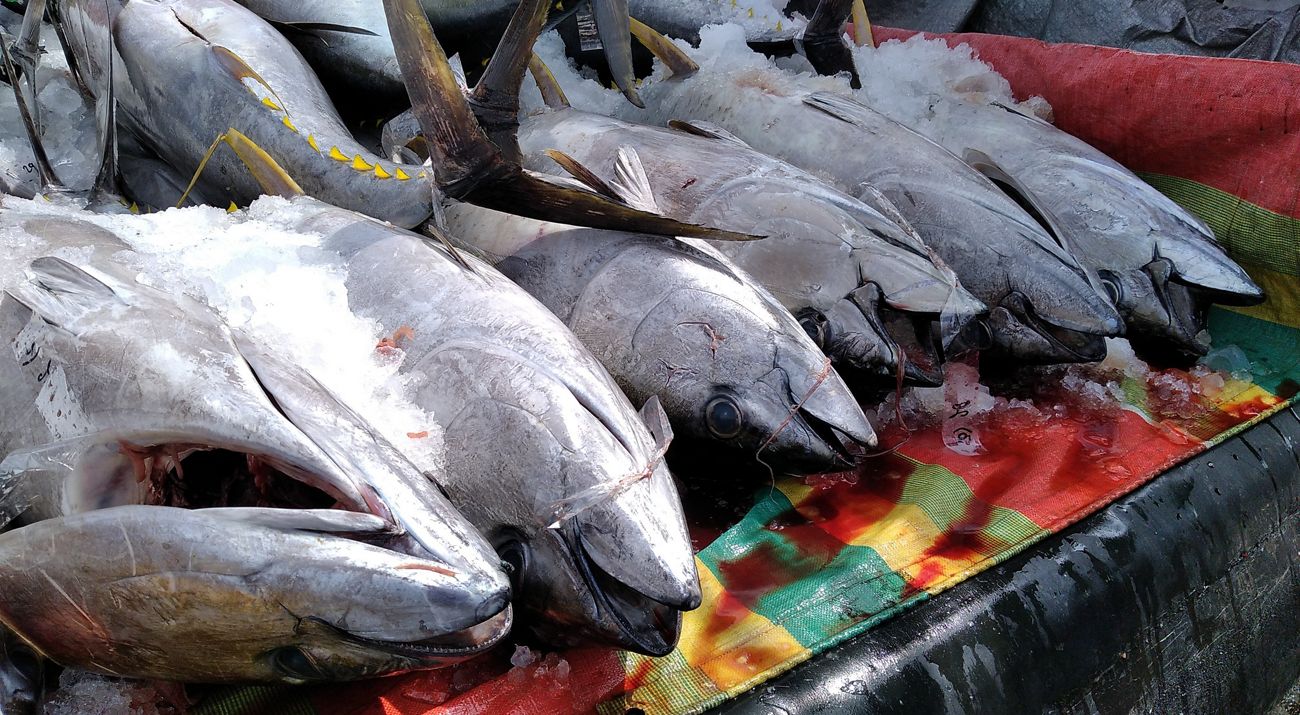
That makes supplier selection critical. For companies planning to import seafood from Indonesia, the country’s reputation should be only the beginning of the evaluation.
A buyer should know:
- Who harvested or produced the seafood?
- Which facility processed it?
- What hazards are associated with the species?
- What controls does the processor use?
- Can those controls be documented?
- Is the facility subject to an FDA Import Alert?
- Does the U.S. importer have the required verification records?
- Do NOAA traceability rules apply to the species?
A strong seafood supplier in Indonesia should be ready to address those questions before production begins rather than after a container arrives at a U.S. port.
The Scale of Imported Seafood Makes Compliance Essential
Imported seafood is not a niche part of the American food supply. FDA has reported that imported products account for approximately 94% of the volume of seafood sold in the United States, sourced from more than 144 countries or territories and roughly 10,000 exporting food facilities and aquaculture farms.
This scale explains why the FDA does not rely on a single inspection or testing method. The imported seafood safety system combines preventive controls overseas, importer responsibilities, prior notice, risk-based screening, inspections, sampling, laboratory analysis, records review, and enforcement tools such as Import Alerts.
A professional seafood exporter therefore needs to think beyond whether the fish itself looks acceptable. Documentation and process control are part of the product being sold.
How Does the FDA Test Imported Seafood?
One common misconception is that every container of seafood entering the United States receives laboratory testing.
It does not.
FDA uses a risk-based import system. Imported foods may be examined upon entry, while Prior Notice information helps the FDA determine where to target inspections or examinations. If the FDA identifies concerns, it may inspect, sample, test, detain, or refuse the shipment.
For seafood, potential concerns can include pathogens, decomposition, histamine or scombrotoxin, unlawful animal-drug residues, chemical contaminants, sanitation failures, misbranding, and other hazards. Current FDA seafood Import Alerts cover issues ranging from Salmonella and Listeria to histamine, decomposition, unapproved drugs, viral contamination, and insanitary processing conditions.
This is why laboratory testing should be viewed as one layer of verification, not the entire compliance strategy.
A U.S. seafood distributor may request third-party laboratory results before purchasing, but those results cannot compensate for an inadequate HACCP system, poor traceability, or incorrect import documentation.
Seafood HACCP Is the Foundation
The central FDA framework for fish and fishery products is 21 CFR Part 123, commonly referred to as the Seafood HACCP regulation.
FDA’s rule requires processors of fish and fishery products to identify relevant food-safety hazards and develop and implement HACCP controls where required. The regulation has applied to seafood processors since 1997.
HACCP is preventive. Instead of waiting until finished seafood fails a laboratory test, the processor identifies where significant hazards can occur and establishes controls during processing.
For example, controls may address:
- time and temperature;
- histamine formation in susceptible species;
- pathogen growth;
- sanitation;
- contamination during processing;
- hazards associated with aquaculture;
- parasite controls where relevant;
- Storage and transportation conditions.
FDA’s Fish and Fishery Products Hazards and Controls Guidance provides processors with detailed information for identifying hazards and appropriate controls.
For a buyer evaluating a fishery product, asking whether the supplier “has HACCP” is only the first question. Buyers should understand whether the HACCP plan actually corresponds to the species, processing method, product form, and hazards involved.
Importer Verification: The Responsibility Buyers Cannot Ignore
Compliance is not solely the foreign processor’s responsibility.
Under the Seafood HACCP import requirements in 21 CFR 123.12, the U.S. importer generally needs written verification procedures to ensure that imported seafood was processed in accordance with the regulation. FDA guidance describes product-safety specifications and one or more permitted “affirmative steps” for verification.
Possible verification approaches include reviewing processor records, obtaining certificates, conducting foreign facility inspections, reviewing the processor’s HACCP documentation with appropriate assurances, or carrying out periodic product testing. FDA guidance explains that only one listed affirmative step is required, although the appropriate frequency depends on the hazards and circumstances.
Importantly, testing is not automatically mandatory under this provision. The FDA specifically states that importers are not required to test products solely to determine whether their safety specifications are met.
The better approach is risk-based verification.
When working with a seafood trader, buyers should therefore confirm exactly which entity processed the final product. FDA importer-verification documentation generally needs to connect back to the processor, not merely to an intermediary selling the shipment.
Does FSVP Apply to Imported Seafood?
This is another area where importers often become confused.
The Foreign Supplier Verification Program, or FSVP, applies broadly to imported food. However, seafood products produced by foreign facilities that comply with FDA’s Seafood HACCP requirements under 21 CFR Part 123 are exempt from the FSVP regulation.
That does not mean seafood importers have no supplier-verification responsibilities.
Seafood importers remain subject to the specific importer-verification provisions of the Seafood HACCP regulation.
In other words:
Seafood HACCP importer verification generally replaces FSVP for qualifying seafood, not supplier verification altogether.
This distinction is especially useful for procurement teams building a compliance checklist before importing seafood from Indonesia.
FDA Registration Is Not FDA Approval
Foreign food facilities that manufacture, process, pack, or hold food for U.S. consumption may be required to register with the FDA. Imported food shipments also generally require Prior Notice before arrival.
But registration should never be marketed as “FDA approval.”
FDA explicitly states that it does not approve, certify, license, or otherwise sanction individual food importers, products, labels, or shipments before importation.
For facilities required to register, 2026 is also a biennial renewal year. FDA’s current renewal window runs from October 1 through December 31, 2026. Registrations that are not renewed by the deadline are considered expired.
An importer considering frozen seafood products should therefore verify current facility information rather than relying on an old registration number found in a supplier presentation.
What Can Cause the FDA to Detain a Seafood Shipment?
FDA can detain imported seafood when it appears not to comply with U.S. requirements.
One important enforcement mechanism is Detention Without Physical Examination, commonly shortened to DWPE.
A product, processor, or importer combination may be placed on an Import Alert if evidence indicates a compliance problem. Once subject to DWPE, future shipments can be detained without the FDA first physically examining each shipment.
Seafood HACCP failures can also trigger this action. FDA guidance states that serious deficiencies in importer verification can result in an importer/product/foreign-processor combination being placed on detention without physical examination.
This is one reason buyers should check FDA Import Alerts before signing a long-term contract with a seafood export company.
Being able to load a container is not the same as being prepared to clear it.
What Does the 2025–2026 Cs-137 Case Mean for Indonesian Seafood?
A recent Indonesian shrimp case provides a useful example of how risk-based controls work.
In 2025, the FDA detected Cesium-137 in a sample of frozen shrimp associated with an Indonesian processor. FDA reported that the contaminated shipment did not enter U.S. commerce and subsequently implemented additional controls.
Effective October 31, 2025, the FDA began requiring import certification for certain shrimp originating from, or handled within, specified regions: the island of Java and Lampung Province on Sumatra. FDA describes this as the first use of its import-certification authority under section 801(q) for this type of food-safety issue.
The important lesson for buyers is nuance.
The measure does not mean that every Indonesian seafood product is unsafe or that all Indonesian shrimp are subject to identical requirements. FDA’s current measure is linked to specific products, geographic areas, and risk conditions.
For companies sourcing seafood export products, origin information therefore needs to go beyond simply writing “Indonesia” on a commercial document. Harvest area, processing facility, holding location, and supply-chain movements can affect compliance obligations.
FDA Is Not the Only U.S. Agency Seafood Importers Need to Consider
Food safety may primarily fall under the FDA, but some seafood also falls under NOAA Fisheries’ trade-monitoring requirements.
The Seafood Import Monitoring Program, or SIMP, establishes reporting and recordkeeping requirements for 13 seafood species groups considered vulnerable to illegal, unreported, or unregulated fishing and seafood fraud. NOAA states that the program covers more than 1,100 unique species.
The program requires harvest-to-entry information for covered seafood.
Additionally, Marine Mammal Protection Act import provisions became particularly important in 2026. Certain fisheries lacking appropriate comparability findings can face import prohibitions, while some products require a Certification of Admissibility depending on the country of origin and HTS code.
Importers sourcing tuna, shrimp, snapper, mahi-mahi, crab, and other regulated categories should therefore check both FDA and NOAA requirements rather than treating “FDA compliant” as the entire import checklist.
For further details, buyers can review AB Mandiri’s 2026 SIMP sourcing guide, which focuses specifically on traceability and supplier preparation for U.S. importers.
How Should a U.S. Buyer Vet an Indonesian Seafood Supplier?
Start with evidence, not claims.
A search for “seafood supplier Indonesia” may yield dozens of potential companies, but procurement should narrow that list using documentation and operational capabilities.
Before placing an order, consider requesting:
- Facility and processor details.
- Current HACCP documentation relevant to the product.
- FDA food-facility registration information, where applicable.
- Product specifications and scientific species names.
- Catch and harvest documentation.
- Traceability information.
- Cold-chain procedures.
- Previous U.S. shipment experience.
- Import Alert checks.
- Laboratory testing where risk or buyer specifications justify it.
- Documentation supporting SIMP or other NOAA requirements when applicable.
- Procedures for answering customs or FDA document requests quickly.
A competent frozen seafood exporter should be able to explain how processing, freezing, storage, documentation, and traceability are connected, rather than presenting each as an unrelated certificate.
A Compliance-Ready Supply Chain Starts Before Purchase
The safest way to import seafood from Indonesia is to build compliance into the sourcing process before the purchase order is finalized.
That means confirming the species and product form first. A frozen tuna loin, raw shrimp, whole snapper, squid, and canned seafood may carry different hazard profiles and regulatory considerations.
Next, identify every important party in the chain. The exporter on the invoice may not necessarily be the processor. An experienced buyer wants visibility into where the seafood was caught or farmed, where it was processed, where it was frozen, and who controlled it before export.
Then align documentation with the U.S. importer.
The exporter can provide records, but the U.S. importer retains its own responsibilities under applicable rules. A responsible seafood supplier company makes that process easier by providing accurate documents quickly and consistently.
Where Does CV Anugerah Bahari Mandiri Fit Into the Process?
For buyers considering Indonesia as a sourcing origin, CV Anugerah Bahari Mandiri, based in Makassar, South Sulawesi, states that it processes and exports fresh and frozen seafood in accordance with HACCP standards. Its range includes tuna, pelagic fish, demersal fish, milkfish, and cephalopods, in IQF and block-frozen formats.
Buyers can review the company’s seafood product range before discussing specifications, processing formats, documentation, and shipping requirements.
The role of a supplier should not be to promise that compliance is automatic. A more useful partnership is one in which documentation, traceability, product specifications, and importer requirements are discussed before shipment.
That makes a seafood trader relationship transactional, while a well-prepared sourcing partnership becomes operational.
Safe Seafood Importing Is a System, Not a Stamp
No country, certification, laboratory test, or supplier can reduce food-safety risk to zero.
FDA itself notes that even a seafood product produced under a compliant HACCP system can still be violative under other provisions of U.S. law. HACCP is designed to prevent, eliminate, or reduce significant hazards; it is not a guarantee of zero risk.
For U.S. buyers, that is actually useful guidance.
The strongest sourcing strategy is not to search for a supplier claiming to be “FDA-approved.” Instead, look for a processor and export partner capable of supporting the controls, documentation, traceability, cold chain, and importer verification required for the specific seafood you are buying.
Indonesia remains a major supplier to the U.S. seafood market. The opportunity is substantial, but the most dependable transactions are built on verifiable compliance rather than assumptions.
Frequently Asked Questions
No. FDA does not approve individual seafood shipments or products. Imported seafood must meet applicable U.S. safety, sanitation, labeling, and import requirements.
No. FDA uses risk-based screening and may inspect, sample, test, detain, or review selected shipments based on available information and identified risks.
Fish and fishery processors subject to 21 CFR Part 123 must comply with FDA’s Seafood HACCP requirements, including applicable hazard controls and sanitation requirements.
Qualifying seafood produced under FDA-compliant Seafood HACCP systems is exempt from FSVP, but seafood-specific importer verification requirements still apply.
An Import Alert allows the FDA to identify products, firms, or importer combinations that may be detained without physical examination when compliance concerns exist.
No. Current special certification requirements target qualifying shrimp linked to Java and Lampung, as well as applicable firm-specific Import Alerts.
Verify the processor, HACCP controls, facility details, traceability, Import Alert status, product specifications, cold chain, prior-notice readiness, and applicable FDA or NOAA requirements.
No. Testing can support verification, but effective HACCP controls, traceability, sanitation, importer verification, and regulatory compliance remain essential throughout the supply chain.