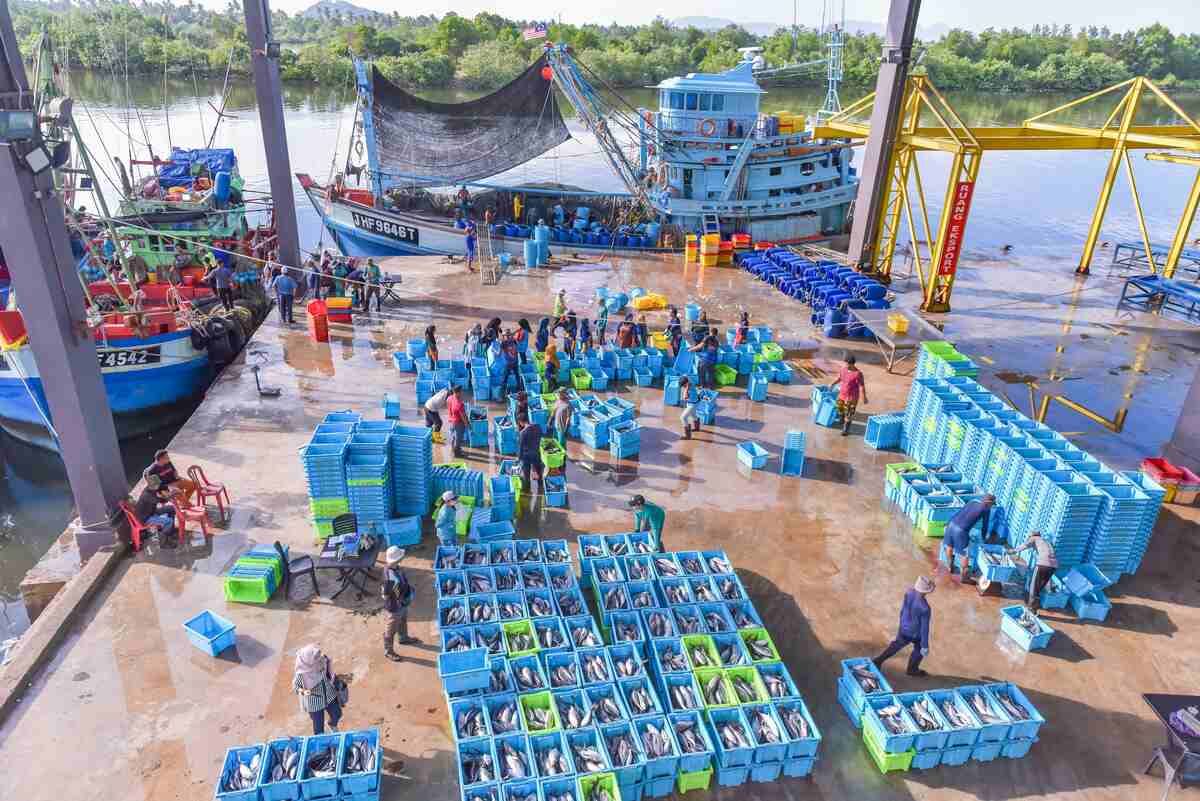
In the global seafood trade, the best sourcing decision in 2026 may begin not with a supplier, but with a country. More buyers are asking which country is the best seafood supplier partner for 2026 because the pressures on importers have broadened beyond cost alone. Product quality, food safety, sustainability, seafood variety, certifications, export capability, and logistics reliability all influence the final outcome. Indonesia is increasingly seen as one of the strongest options in that mix, especially for businesses that want a seafood supplier partner with a broad product range and strong international relevance.
Why Does the Choice of Seafood Supplier Matter More in 2026?
Choosing the wrong seafood supplier now costs more than a bad quote; it costs shipment delays. Documentation gaps, compliance issues, and delayed approvals can now affect the entire shipment timeline, especially as EU catch-certificate rules and U.S. Certificate of Admissibility requirements become more important in trade execution. Buyers are starting to value sourcing resilience alongside price and quality.
Indonesia offers a useful example here: its fisheries trade surplus reached US$5.6 billion in 2025, representing 3% year-on-year growth, suggesting continued strength in seafood trade despite tighter market conditions. To explore how this can be handled at the exporter level, buyers should see how one exporter structures compliance and quality control.
Which Countries Dominate Global Seafood Exports Right Now?
Global seafood exports remain concentrated among a small group of highly competitive supplier countries, with Indonesia, Vietnam, India, Ecuador, and Thailand consistently shaping trade flows. Ecuador leads strongly in shrimp; Vietnam and Thailand are known for processing strength, and India remains a major frozen seafood exporter.
Indonesia stands out for combining high export value with broad species diversity, giving buyers access to shrimp, tuna, reef fish, and cephalopods from a single source. In 2025, Indonesia’s seafood exports reached US$6.27 billion, up 5.2% from 2024, with the United States as its top market at US$1.99 billion. Shrimp alone contributed US$1.87 billion, reinforcing Indonesia’s position not just as a producer, but as a major export partner. Buyers working with a Seafood Exporter or sourcing through a Seafood Trader increasingly include Indonesia in top-tier comparisons.
What Makes Indonesia a Leading Seafood Supplier for 2026?
Indonesia is increasingly seen as a leading seafood supplier for 2026, offering what many buyers need: scale, diversity, and sourcing flexibility from a single origin. With more than 17,000 islands and about 2.9 million km² of ocean, the country has an unusually broad marine base. That breadth shows up in the product mix: shrimp and tuna remain commercially central, but crab, octopus, cuttlefish, snapper, and grouper also help make Indonesia one of the more versatile sourcing origins in global trade. This scale is exactly why buyers now list Indonesia first when comparing a seafood supplier by region.
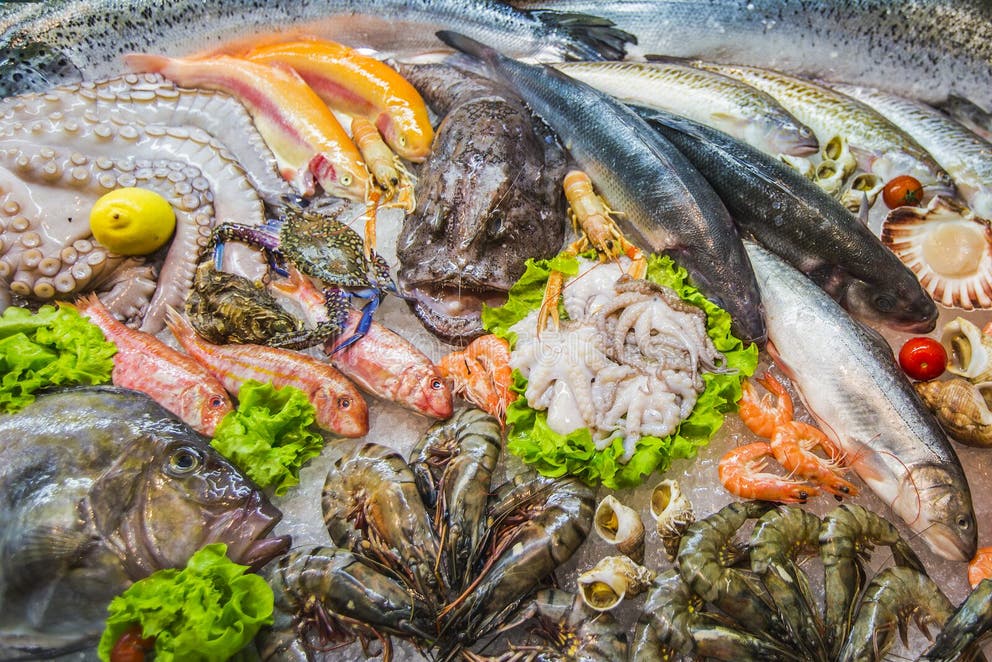
For importers, the advantage is not just volume but flexibility across categories and market channels. A strong seafood supplier strategy in Indonesia can support everything from premium tuna programs to broader sourcing of fishery products. Buyers can view the fresh and frozen fishery product range to see how that sourcing breadth is presented in practice.
What Should Buyers Look for in a Seafood Exporter or Distributor?
Good seafood is not enough on its own if the certifications are missing, the cold chain is weak, or the communication is too slow. Before choosing a seafood exporter or distributor, buyers usually want to know whether the supplier can meet both product and process expectations.
Importers often assess suppliers using a simple checklist rather than relying solely on the quote. This is a useful way to distinguish a capable Seafood Distributor from a less structured seller. A strong seafood supplier company should be able to cover:
- HACCP, BRC, and EU catch certification
- Cold-chain logistics
- MOQ flexibility
- Sample turnaround
- Communication speed
How Does Indonesia Compare to Vietnam, India, and Ecuador as Trading Partners?
When comparing Indonesia with Vietnam, India, and Ecuador, buyers should look at three things closely: price competitiveness, tariff advantage, and product specialization. Indonesia stands apart because it offers a broader spectrum of seafood export products, which matters to buyers looking beyond a single category. In that sense, Indonesia is not just another frozen seafood exporter. It is a country whose trade position is becoming increasingly strategic in 2026.
Here is a simple comparison of how Indonesia, Vietnam, India, Ecuador, and Thailand differ as seafood trading partners in 2026:
| Country | Main Strength | Price Competitiveness | Tariff / Trade Position | Best Fit for Buyers |
| Indonesia | Broad product diversity across shrimp, tuna, reef fish, and cephalopods | Competitive, especially when buyers want multiple categories from one origin | IJ-EPA zero-tariff tuna/skipjack from Q1 2026; negotiating NOAA Comparability Findings for gillnet-caught crab | Buyers looking for diversified seafood export products and long-term sourcing flexibility |
| Vietnam | Strong processing capability and value-added seafood formats | Moderate to strong, depending on processing level | Competitive in the processed seafood trade, especially for buyers prioritising finished products | Retail and foodservice buyers needing more processed or finished export products |
| India | High-volume frozen seafood supply, especially shrimp | Strong on volume-driven pricing | Well-established in the global frozen seafood trade | Importers focused on large-scale programs and price-sensitive volume buying |
| Ecuador | Shrimp scale and cost efficiency | Often strongest in shrimp price competitiveness | Very strong position in shrimp exports | Buyers focused mainly on shrimp sourcing and cost efficiency |
| Thailand | Mature export systems and seafood processing infrastructure | Moderate, with strength in processed categories rather than lowest cost | Long-established exporter with strong processing reputation | Buyers prioritising processed seafood and export system stability |
Why Choose CV Anugerah Bahari Mandiri as Your Seafood Supplier in Indonesia?
For buyers ready to move from country comparison to supplier selection, CV Anugerah Bahari Mandiri offers a profile that is grounded in origin. Based in Makassar, South Sulawesi, Indonesia, the company operates close to local marine resources and sourcing channels, supporting a more direct-catch approach. This helps position the business as more than a trading intermediary. It also allows the company to offer both fresh and frozen fishery products, giving buyers more flexibility across product types and shipment plans.
For buyers seeking export-ready frozen seafood products from Indonesia, this direct-catch sourcing can provide greater visibility from origin to shipment.
How Can You Start Sourcing Frozen Seafood Products in 2026?
For buyers planning ahead in 2026, the sourcing process can be broken into three simple steps. Start by browsing the available products to match species and formats to your market needs. Then request a sample or a quote to review pricing, specifications, and shipment expectations more closely. Finally, confirm that the required certifications and export documents are in place before committing to a purchase. This simple path helps buyers move from interest to action without losing sight of compliance and shipment readiness.
Finding the right seafood supplier partner is less about rushing the decision and more about building it carefully from the start.
The best seafood supplier partner for 2026 is ultimately the one that gives buyers confidence not only in price but in product, process, and long-term reliability. Indonesia continues to stand out in that conversation, especially for buyers seeking both variety and export experience from a single sourcing origin. For buyers ready to move forward, the next step is a direct conversation about product options and requirements.
FAQ
Indonesia leads as a seafood supplier partner for 2026, backed by $6.27 billion in 2025 exports, abundant fisheries, and improving certification standards for the US and EU markets.
A seafood exporter processes and ships products internationally from the source country, while a seafood distributor moves them locally to restaurants, retailers, or wholesalers within a single market.
Indonesia offers over 17,000 islands as fishing grounds, diverse species such as shrimp and tuna, and exporters actively upgrading to meet US and EU certification requirements.
Indonesia’s top frozen seafood exports include shrimp, tuna, crab, octopus, and cuttlefish, with shrimp alone generating billions in annual export value.
Check certifications, production capacity, cold-chain logistics, and export history. Request samples and verify traceability documents before committing to a long-term partner.