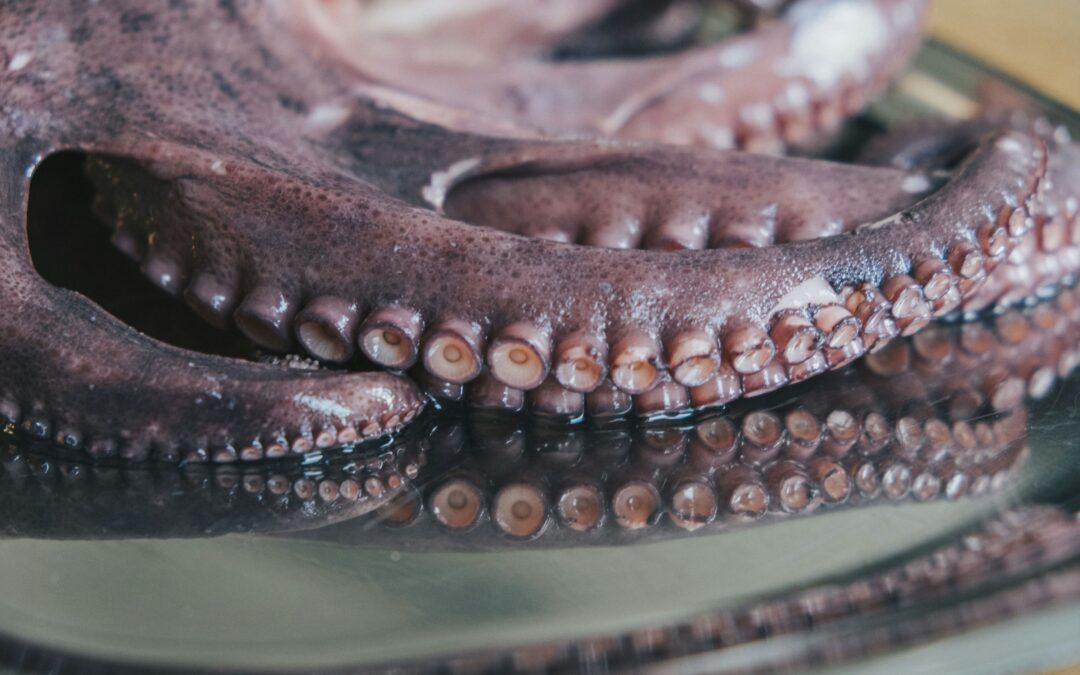
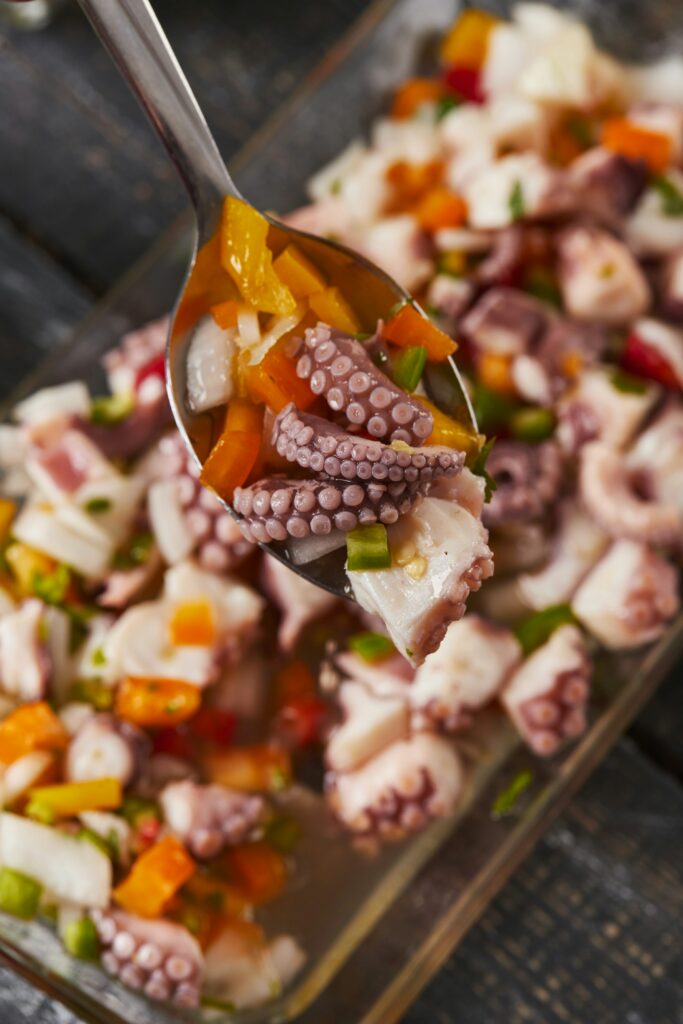
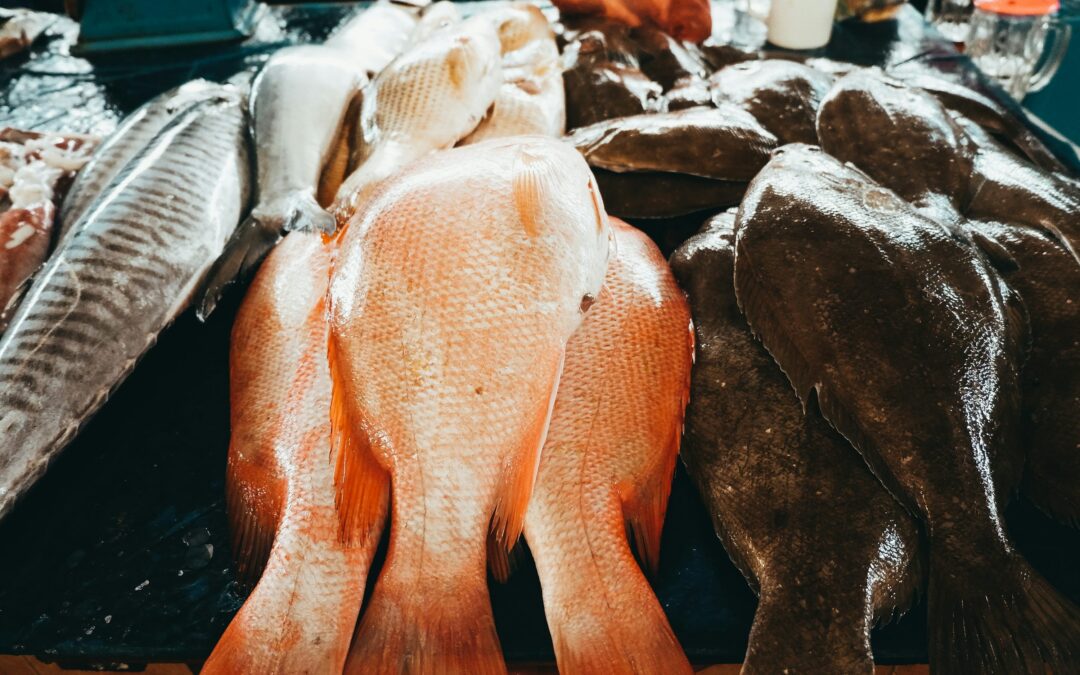
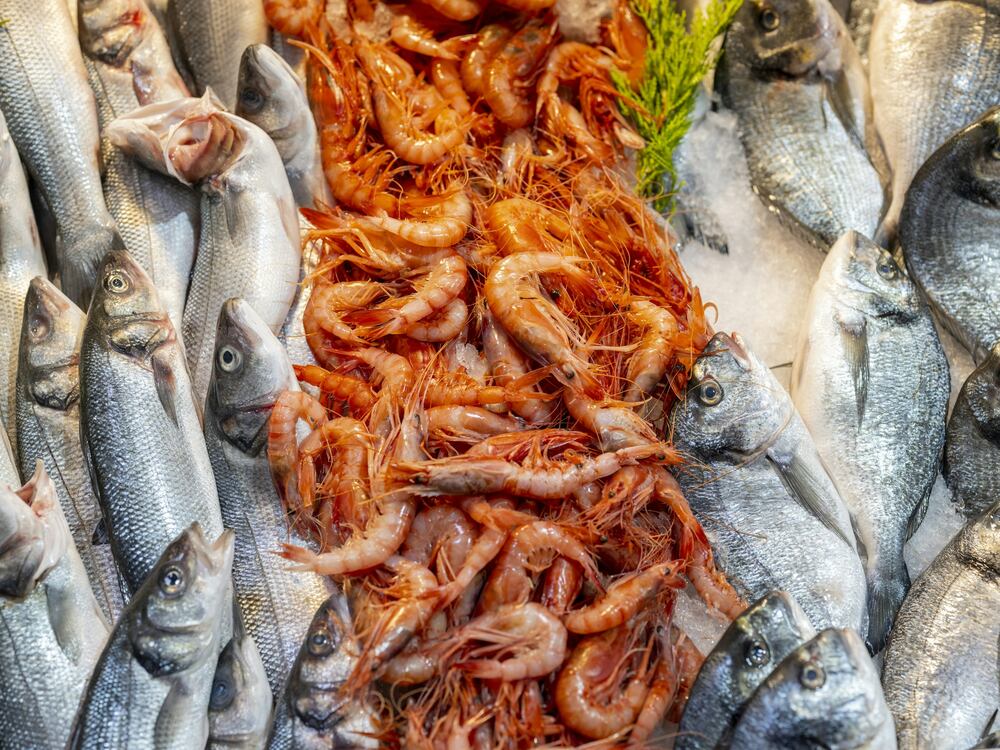
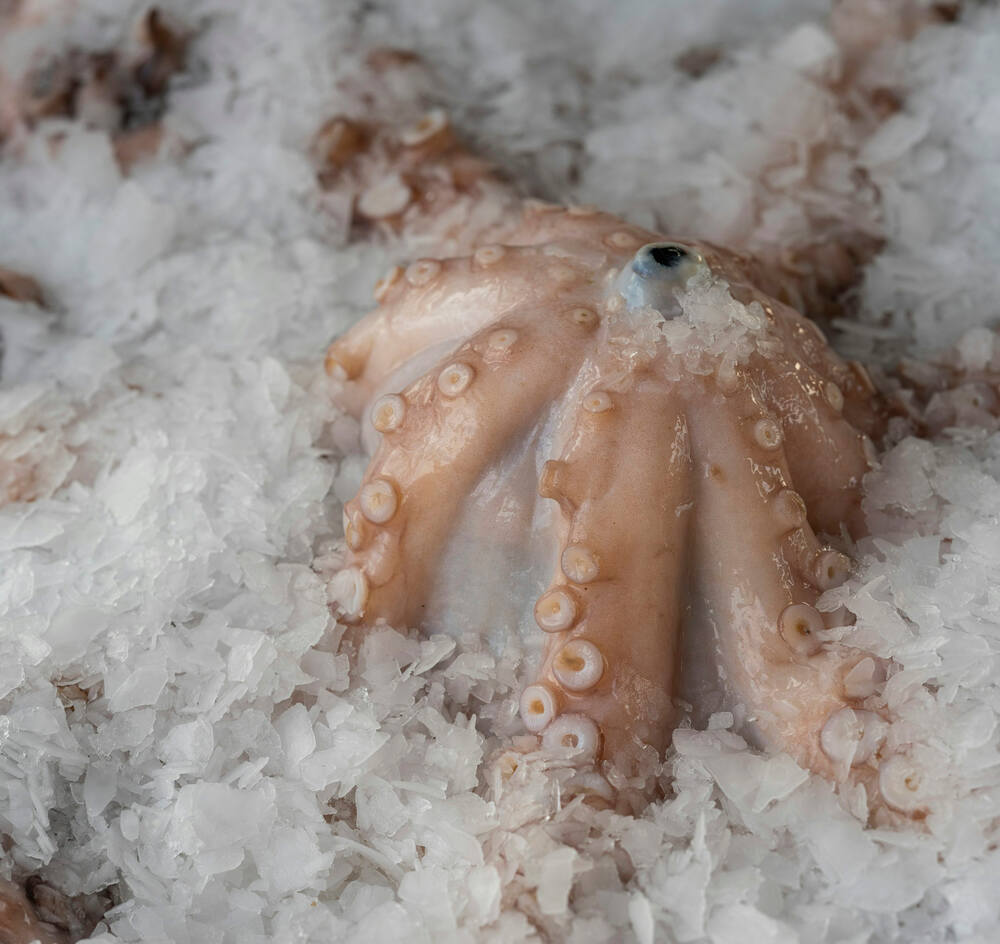
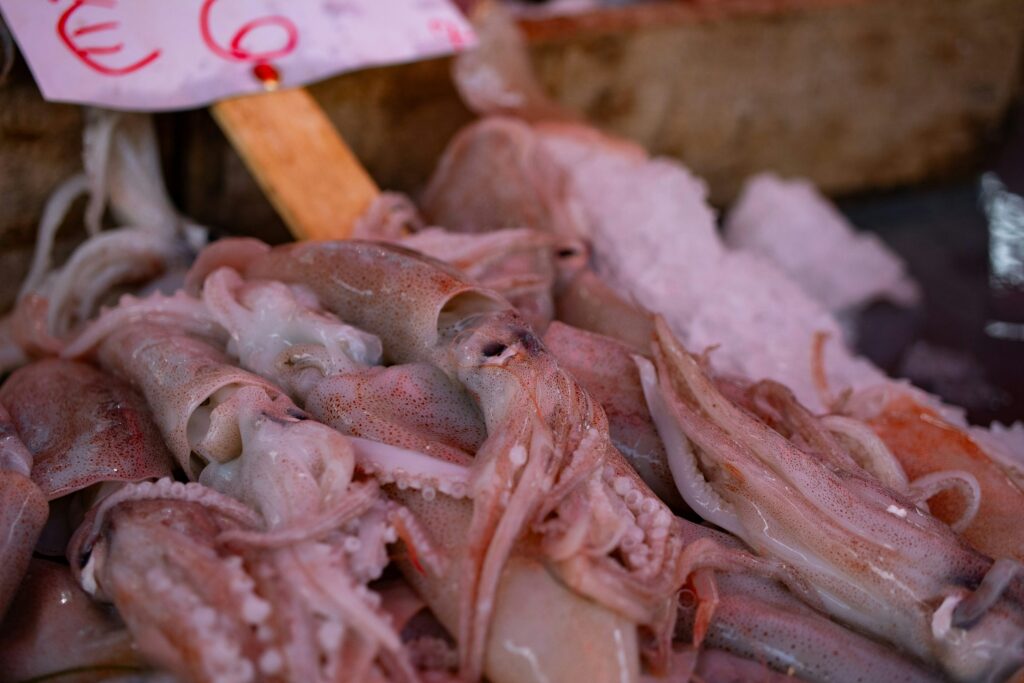
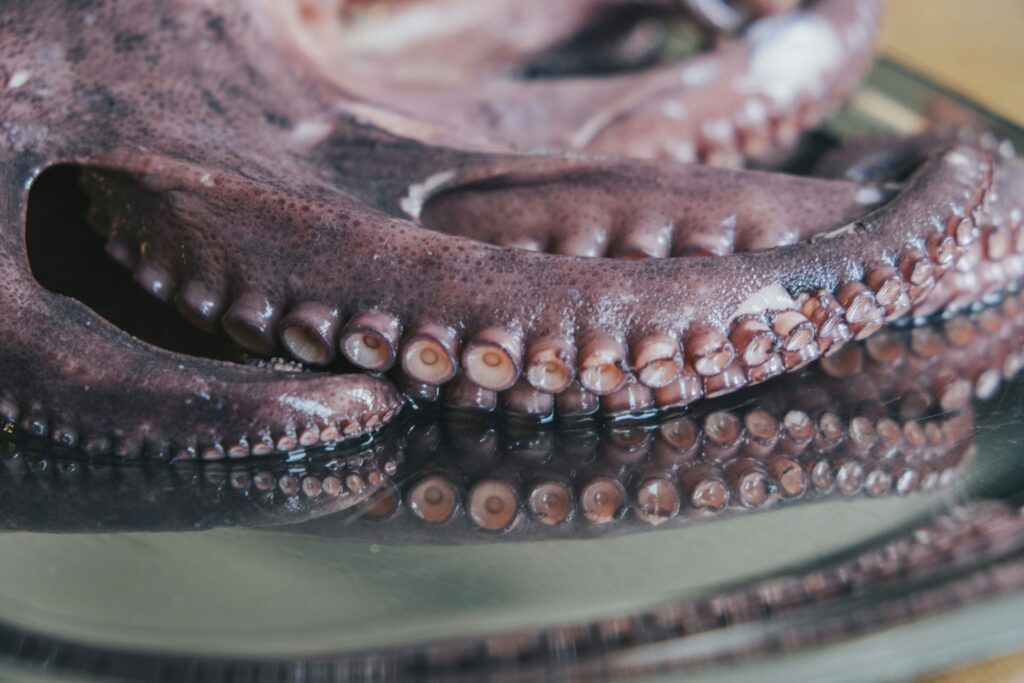
As global demand for premium cephalopod seafood continues to rise, Octopus Suppliers for Mexico are becoming increasingly important in maintaining a stable seafood supply chain. Indonesia has emerged as a trusted sourcing destination for frozen octopus products, offering high-quality IQF processing, HACCP-certified facilities, and consistent export capabilities. With Mexico facing growing pressure on its local seafood supply and rising international demand, Indonesian exporters are helping to bridge the Pacific seafood supply gap through reliable, sustainable frozen octopus distribution.
Mexico’s Octopus Market Is Changing
Mexico is one of the world’s most important octopus-producing countries, yet it is also increasingly dependent on imports.
This creates a unique market structure:
Strong domestic production in the Yucatán Peninsula
High export demand to the United States, Europe, and Asia
Rising domestic prices in major wholesale markets
Growing need for imported frozen octopus
As a result, Mexican seafood distributors and food service buyers are now expanding sourcing toward international suppliers, particularly in the Pacific region.
Indonesia has emerged as one of the most important alternative sources of supply.
Why Mexico Imports Octopus Despite High Production
Mexico’s octopus fishery is concentrated in the Gulf of Mexico, especially in:
Yucatán
Campeche
Quintana Roo
According to fisheries data from Mexico’s national authorities (CONAPESCA and SIAP), the region produces tens of thousands of tons annually, making Mexico one of the top global producers.
However, three structural factors limit domestic availability:
1. High Export Share
A significant portion of Mexican octopus is exported to:
United States
Japan
Italy
South Korea
This reduces supply for domestic wholesalers.
2. Seasonal and Regulatory Pressure
Fishing restrictions, quotas, and enforcement actions, particularly in Campeche, have reduced consistent supply in recent years.
3. Rising Domestic Demand
Consumption is increasing across:
seafood restaurants
retail supermarkets
tourism-driven food service sectors
This has pushed wholesale prices higher in hubs like La Nueva Viga (Mexico City’s main seafood market).
The Result: A Structural Import Gap
Mexico is not short of octopus production capacity, but it is short of stable domestic availability for local buyers.
This has created a consistent import demand for:
frozen whole octopus
IQF octopus
cleaned and graded cephalopod products
Latin America’s frozen seafood import market continues to grow, with Mexico as one of the largest entry points.
Why Indonesia Is a Key Octopus Supplier to Mexico
Indonesia is one of the world’s leading wild-capture octopus exporters, supported by its extensive archipelagic fishing grounds.
Key production regions in Indonesia:
East Nusa Tenggara
Central Sulawesi
Maluku Islands
East Java coastal fisheries
Common exported species:
Octopus cyanea (day octopus)
Small-scale wild octopus species from Indo-Pacific waters
Why Indonesian supply is competitive:
Year-round tropical fisheries
Strong artisanal fishing networks
Expanding cold-chain infrastructure
Established export compliance systems
Indonesian exporters typically supply frozen octopus in:
IQF (Individually Quick Frozen) format
block-frozen whole octopus
cleaned and graded cuts
These formats align with the needs of Mexican importers and processors.
Product Compatibility with the Mexican Market
Mexican seafood processors prefer octopus that matches culinary and operational needs, such as:
consistent sizing for portion control
tender texture for grilling and ceviche applications
reliable freezing standards for logistics stability
Indonesian octopus, especially Octopus cyanea, is widely used in international food service markets due to its:
mild flavor profile
soft texture after cooking
adaptability to Mediterranean and Latin American cuisines
How Octopus Supply Chains Work in Mexico
Imported frozen octopus typically follows this route:
1. Export Country (Indonesia)
harvesting from artisanal fisheries
processing under HACCP systems
freezing and grading by size
2. International Shipping
containerized cold-chain logistics
shipped to ports such as Veracruz, Manzanillo, or Lázaro Cárdenas
3. Mexican Importers
customs clearance
compliance with NOM-242-SSA1-2009 food safety standards
cold storage distribution
4. Domestic Distribution
La Nueva Viga wholesale market
supermarket chains
food service distributors
Certifications Required for Imported Octopus in Mexico
Imported seafood must comply with Mexican food safety regulations, including:
NOM-242-SSA1-2009 (seafood hygiene and handling standards)
HACCP certification (international food safety system)
health and export certification from the country of origin
Indonesian exporters typically also comply with:
traceability documentation
catch certificates
cold-chain handling protocols
Indonesia–Mexico Trade Opportunity in Octopus Supply
The combination of:
strong Mexican demand
limited domestic supply flexibility
established seafood import infrastructure
Growing Asia–Latin America trade routes
has created a stable opportunity for Indonesian exporters.
For Mexican importers, Indonesia offers:
alternative sourcing outside Atlantic supply chains
competitive pricing for frozen cephalopods
consistent year-round availability
scalable export volumes
Role of Indonesian Export Suppliers
Indonesian seafood exporters such as CV Anugerah Bahari Mandiri operate within this supply chain by:
sourcing from certified small-scale fisheries
processing under export-grade facilities
maintaining cold-chain logistics
supplying IQF and block-frozen octopus formats
This type of supply model supports international distributors in:
Mexico
United States
Latin America
Global Octopus Market Outlook
The global octopus market continues to grow, driven by:
rising seafood consumption in restaurants
expansion of frozen seafood retail products
increased demand for protein alternatives
Industry forecasts suggest steady growth over the next decade, particularly in:
North America
Latin America
East Asia
For import-dependent markets like Mexico, this reinforces long-term reliance on diversified sourcing regions.
Conclusion: Mexico Will Continue Expanding Octopus Imports
Mexico remains a major global octopus producer, but structural market forces, exports, regulations, and rising domestic demand, have created a consistent import requirement.
Indonesia has emerged as one of the most important supply regions due to:
strong wild-capture fisheries
export-ready processing systems
compatibility with Mexican market requirements
As the global seafood trade expands, the Indonesian octopus supply is positioned as a long-term component of Mexico’s seafood import strategy.
FAQ
Why does Mexico import octopus if it produces it?
Most domestic production is exported, and local demand often exceeds available supply in wholesale markets.
What countries supply octopus to Mexico?
Main suppliers include Morocco, Senegal, China, and Indonesia.
What type of octopus does Mexico import?
Mostly frozen whole octopus and IQF products are used in food service and retail distribution.
Is Indonesian octopus accepted in Mexico?
Yes, provided it meets NOM-242-SSA1-2009 and international HACCP standards.
Why is Indonesia a major octopus exporter?
Due to its large archipelago, year-round fisheries, and strong artisanal harvesting networks.
If you source seafood for the US market, you already know that supply reliability, price, and compliance are everything. What you may not have fully accounted for is how aggressively Indonesia has repositioned itself as the world’s most compelling seafood origin for US buyers. In 2024, the United States was Indonesia’s largest single export destination for fishery products, importing USD 1.90 billion worth of seafood from the archipelago, more than China, Japan, and the EU combined. That number isn’t a fluke. It reflects years of cold-chain investment, species diversification, and the emergence of certified seafood export companies capable of meeting international food safety standards at scale. For US importers, distributors, and food service buyers, this shift creates a direct sourcing opportunity that is difficult to ignore.
Why the US Relies on Indonesian Seafood More Than Most Buyers Realise
The United States does not produce enough seafood to feed itself. According to NOAA data cited in the ACT Capital Advisors Seafood Industry Report (H1 2025), 75-90% of all seafood consumed in the US is imported, with total import value reaching USD 25.5 billion in 2024. That figure represents an enormous, structurally permanent dependence on overseas supply chains, and Indonesia is one of the most important links in that chain.
Indonesia is the world’s fourth-largest seafood exporter by total value, with fisheries exports of USD 4.03 billion in 2024, behind only Norway, China, and Chile. Within the global seafood trade, Indonesia occupies a specific and highly valued niche: wild-caught, species-diverse, competitively priced, and increasingly compliant with US traceability and food safety requirements.
For US buyers evaluating sourcing options, the combination of volume, species range, and price makes Indonesia hard to match.
The Species Portfolio: What Indonesian Seafood Exporters Actually Offer
One reason US buyers are deepening their relationships with Indonesian seafood suppliers is the sheer breadth of their product offerings. Indonesia’s waters, spanning the Indian Ocean, the Banda Sea, the Sulawesi Sea, and the Pacific, produce an extraordinarily diverse catch. This isn’t a single-species supplier story.
Indonesia’s top five export commodities in 2024 tell that story clearly:
Shrimp — USD 1.68 billion (28.2% of total fisheries exports)
Squid, Cuttlefish & Octopus — USD 874 million (14.7%)
Crab & Blue Crab — USD 511 million (8.6%)
Seaweed — USD 342 million (5.7%)
Beyond these five, Indonesian waters also yield strong commercial volumes of milkfish, grouper, mackerel, mahi-mahi, marlin, ribbon fish, and wahoo, many of which are available as frozen seafood products in IQF, block-frozen, and sea-frozen formats that meet US import specifications.
Tuna-skipjack-bonito exports grew 11.6% year-on-year in 2024. Squid, cuttlefish, and octopus grew 14.63%. Crab exports rose 14.3%. These growth rates reflect both increased demand from US buyers and improvements in cold-chain and processing infrastructure within Indonesia.
How Indonesian Frozen Seafood Now Meets US Market Standards
A few years ago, the most common objection to Indonesian seafood among US buyers was regulatory compliance, food safety documentation, traceability, and cold-chain consistency. That objection has been eroding steadily, and for good reason.
Indonesia’s seafood processing sector has invested substantially in HACCP certification, EU and US FDA-compliant facilities, and temperature-controlled logistics. Processing plants exporting to the US must meet SIMP (Seafood Import Monitoring Program) requirements, a US federal regulation that requires documentation of harvest location, species, gear type, and vessel information to combat IUU (illegal, unreported, and unregulated) fishing. Indonesian exporters who have built SIMP-compliant documentation chains are now routinely preferred by US retailers and food service operators who carry compliance risk on their books.
This is particularly relevant for buyers sourcing from a seafood supplier company based in Sulawesi, where wild-caught stocks from the Banda Sea and eastern Indonesian waters are among the most traceable in the region. The key is working with an established exporter who can provide full chain-of-custody documentation rather than relying on spot-market intermediaries.
For US seafood distributors and importers, the practical question is not whether Indonesian seafood meets the standard — it increasingly does. The question is which specific supplier has the operational infrastructure to deliver consistently.
The Competitive Price Advantage and the Tariff Context
Indonesian seafood remains competitively priced relative to other major US supplier nations, but the tariff environment in 2025 has added nuance that buyers need to understand. Indonesia currently faces a proposed 19% tariff under the US administration’s broader tariff restructuring, compared to Vietnam’s 20%, India’s 25%, and Canada’s 35%. In absolute terms, Indonesia’s tariff position is among the most favourable of the major Asian seafood exporters in this environment.
The tariff situation has produced one clear behavioural signal in the market: Indonesian exporters accelerated shipments to the US in early to mid-2025, with shrimp exports in May 2025 rising 27% year-on-year to 21,288 metric tons, driven by US importers pushing to front-load inventory ahead of anticipated cost increases. This “rush to import” dynamic (documented in the ACT Capital H1 2025 Seafood Industry Report) created inventory buffers for US buyers who acted quickly.
For buyers now evaluating medium-term supply strategies, the implication is clear: locking in relationships with certified Indonesian frozen seafood exporters provides price-stability leverage, especially as competing supplier nations face higher tariff headwinds.
What to Look for in an Indonesian Seafood Supplier
Not every Indonesian seafood exporter operates at the same level. For US and international buyers, the checklist for evaluating a potential supplier should include:
Processing certification: HACCP certification is the baseline. US-bound products should be from facilities registered with the US FDA.
Species documentation: SIMP-compliant documentation must be available for all US-bound catches. Ask specifically for catch certificates and vessel documentation.
Cold-chain capability: Ask about blast-freezing temperature (−40°C ABF machines are industry standard for IQF product) and storage conditions (−20°C minimum for frozen hold).
Product flexibility: Can the supplier deliver IQF, block-frozen, sea-frozen, and custom specifications? Can they process fillet, whole-round, gilled-gutted, and steak cuts?
Export history: A supplier with active, documented US and international export history carries lower counterparty risk.
CV Anugerah Bahari Mandiri, based in Makassar, South Sulawesi, operates as a direct seafood export company with wild-caught fishery products sourced from Indonesian waters and processed using ABF (−40°C) blast-freezing and −20°C cold storage. The company exports across multiple species categories, including tuna, pelagic fish, demersal fish, cephalopods, milkfish, and shrimp, in formats suited to US import requirements.
The Bigger Picture: Indonesia’s Seafood Sector Through 2030
The structural case for Indonesia as a preferred seafood origin runs beyond current pricing. Indonesia manages approximately 6.3 million km² of ocean territory among the largest exclusive economic zones in the world. The archipelago sits at the heart of the Coral Triangle, the planet’s most biodiverse marine region, which sustains wild-catch stocks that are less subject to the stock depletion pressures affecting Atlantic and Pacific fisheries closer to the US.
The global seafood market stood at approximately USD 360 billion in 2024 and is projected to reach USD 800–950 billion by 2032, growing at a 10% CAGR. Indonesia’s fisheries sector, currently producing at USD 5.95 billion in exports, has significant headroom to grow within that trajectory.
For US seafood distributors, importers, and food service buyers thinking about supply chain strategy beyond the next quarter, the question of Indonesia is less “should we source here” and more “how do we build the supplier relationships that will give us reliable access as demand grows.”
Where to Start: Sourcing Indonesian Seafood for the US Market
The practical first step for US buyers new to direct Indonesian sourcing is to identify exporters who can provide full documentation, consistent cold-chain logistics, and the flexibility to meet US customer specifications. Brokers and spot-market intermediaries exist, but they introduce margin layers and reduce documentation control.
Working directly with a certified seafood supplier based in Indonesia allows buyers to negotiate specifications, control lead times, and build long-term supply relationships that protect against market disruptions.
For buyers who want to explore what’s available from Indonesian waters, from yellowfin tuna and skipjack to squid, grouper, and mackerel, a good starting point is reviewing what established exporters actually have in their product catalogue.
FAQ
What makes Indonesian seafood competitive in the US market?
Indonesia offers competitive pricing, diverse species, improved cold-chain infrastructure, and SIMP-compliant documentation, making it a reliable source for US importers and distributors.
What seafood products does Indonesia export to the US?
Indonesia’s top US exports include shrimp, tuna, squid, crab, mackerel, grouper, milkfish, and mahi-mahi, available as frozen whole, fillet, IQF, or block-frozen formats.
Is Indonesian seafood compliant with US food safety regulations?
Yes. Exporters registered with the US FDA and SIMP-certified can legally export to the US with full traceability documentation required by federal law.
What is a frozen seafood exporter?
A frozen seafood exporter is a certified processing company that blast-freezes, packages, and ships fishery products internationally, meeting destination country food safety and documentation standards.
How do I find a reliable seafood supplier in Indonesia?
Look for FDA-registered exporters with HACCP certification, documented US export history, cold-chain capabilities (−40°C ABF / −25°C storage), and SIMP-compliant paperwork.
What is the difference between a seafood distributor and a seafood exporter?
A seafood exporter processes and ships products from the country of origin. A seafood distributor receives imported product and redistributes it within the destination market. They serve different parts of the supply chain.
How much seafood does Indonesia export to the US annually?
In 2024, Indonesia exported USD 1.90 billion in fishery products to the US, making it Indonesia’s largest seafood export destination and accounting for roughly 30% of total fisheries exports.
Why is shrimp the top Indonesian seafood export?
Shrimp accounts for 28.2% of Indonesia’s total fisheries exports (USD 1.68 billion in 2024) due to large-scale aquaculture production, competitive processing costs, and strong US consumer demand.
Are there tariffs on Indonesian seafood entering the US?
As of 2025, Indonesia faces a proposed 19% tariff under current US trade policy, lower than those of Vietnam (20%), India (25%), and Canada (35%), keeping Indonesian seafood relatively price-competitive.
What certifications should I check when sourcing from an Indonesian seafood export company?
Key certifications to verify: HACCP processing certification, US FDA facility registration, SIMP compliance documentation, and chain-of-custody traceability records for each species.
A trusted seafood supplier from Indonesia, AB Mandiri, delivers premium demersal fish, pelagic fish, and cephalopods to buyers in the United States, Mexico, and beyond, straight from its processing hub in Makassar, South Sulawesi.
What Is AB Mandiri?
AB Mandiri (CV Anugerah Bahari Mandiri) is an Indonesian seafood export company headquartered in Makassar, South Sulawesi. As a vertically integrated seafood processor and exporter, we source wild-caught fish and cephalopods directly from local fishing fleets operating in Eastern Indonesian waters, process them at our Makassar facility, and supply high-quality frozenandfreshseafoodproductstobuyers worldwide.
Our primary export focus is the United States and Mexico, with growing supply capabilities into Latin America and other global markets. AB Mandiri is committed to long-term partnerships with importers, distributors, and seafood buyers who require consistent quality, reliable supply, and competitive pricing from a verified Indonesian seafood supplier.
Our Seafood Export Products
AB Mandiri’s product portfolio covers three major categories of Indonesian seafood exports: demersal fish (bottom-dwelling species), pelagic fish (open-water species), and cephalopods (octopus and cuttlefish). All products are available frozen and for select buyers in fresh/chilled format, depending on logistics and destination.
Demersal Fish
Bottom Fish
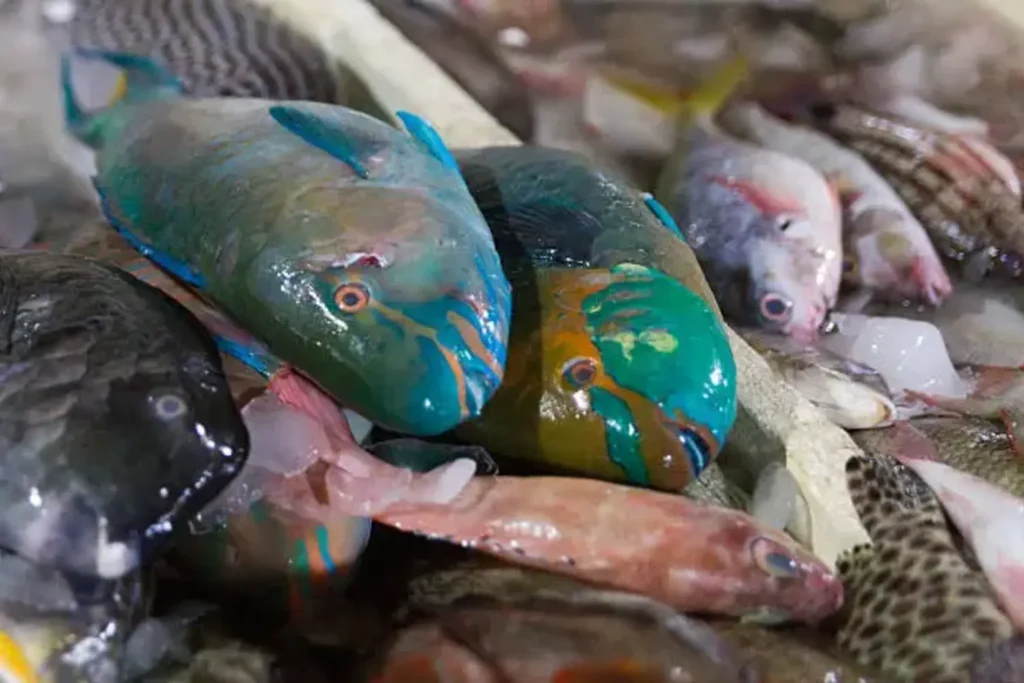
Parrotfish
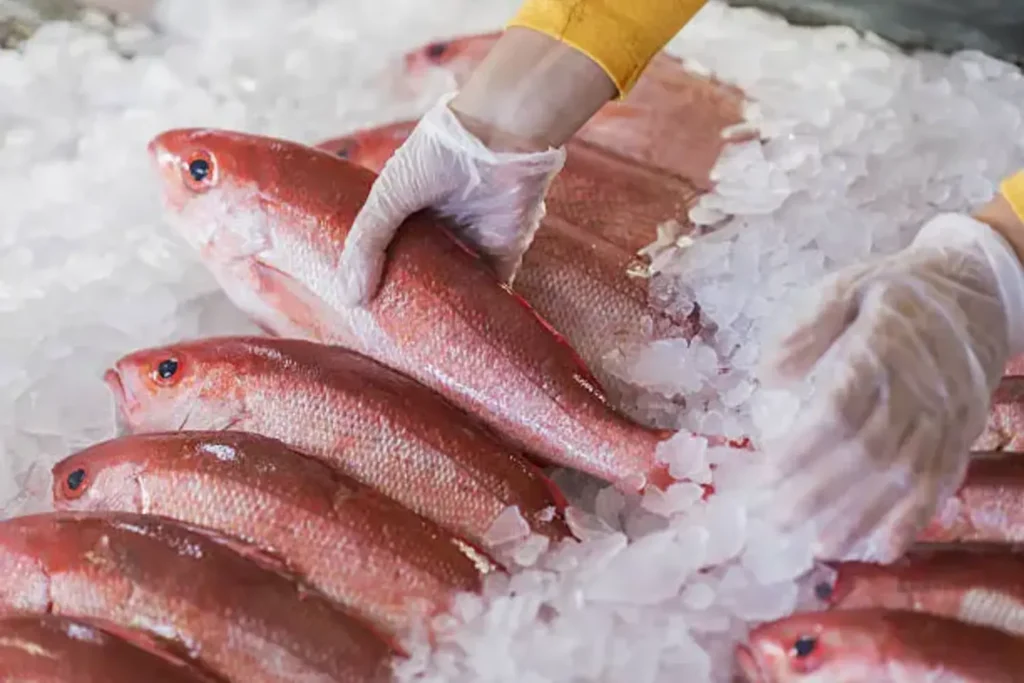
Red Snapper
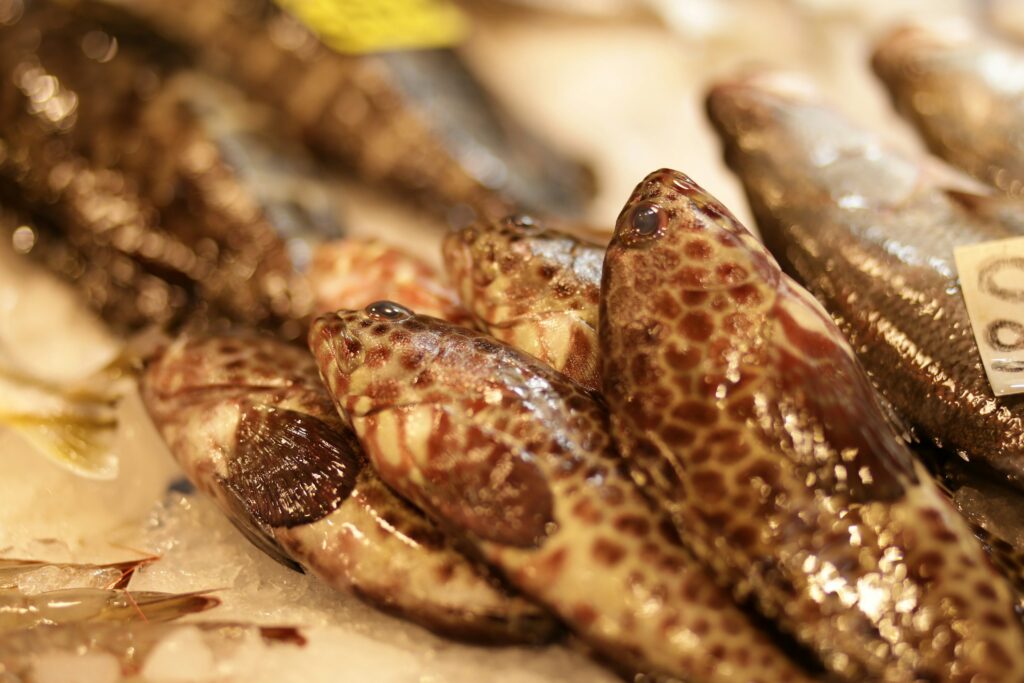
Grouper – wild-caught from Indonesian reef and deep water zones
Market:
US
Australia
China
Pelagic Fish
Open-Water Fish
Skipjack
Flying Fish
Black Pomfret
Ribbon Fish
Sardines
Spanish Mackerel – diverse range for multiple export markets.
Market:
Thailand
Japan
China
New Zealands
Cephalopods
Octopus & Cuttlefish
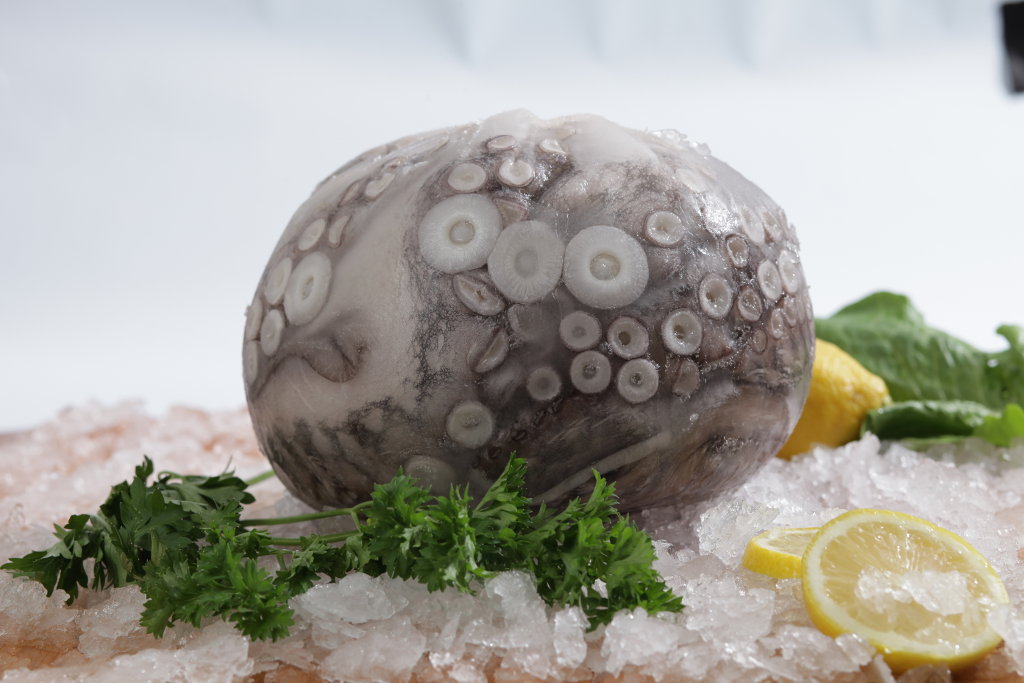
Octopus Ball Type
Octopus Yucatan Style
Cuttlefish – processed to market-ready specifications.
Market:
US
Mexico
America Latin
Demersal Fish: Parrotfish, Red Snapper & Grouper
Demersal fish live and feed near the ocean floor and are prized globally for their firm white flesh and mild, clean flavor. Indonesia’s rich reef ecosystems, particularly around the waters of South Sulawesi, make it one of the world’s top sources for premium demersal species.
Parrotfish
Parrotfish (family Scaridae) are exported primarily to the US market. Known for its lean, white flesh and mild sweetness, it is popular in Asian-American grocery chains, seafood restaurants, and ethnic food distributors across the United States. AB Mandiri supplies Parrotfish in whole frozen, gutted and scaled, and fillet formats depending on buyer specifications.
Red Snapper
Indonesian Red Snapper (Lutjanus campechanus and related species) is one of our flagship export products, supplied to buyers in the US, Australia, and China. Red Snapper commands strong demand in American supermarkets, seafood wholesalers, and food service operations. AB Mandiri exports Red Snapper as whole-round frozen, H&G (headed and gutted), and skin-on fillets.
Grouper
Grouper is among the most commercially valuable demersal species in the world. AB Mandiri exports several Grouper species, including Coral Grouper, Tiger Grouper, and Flowery Grouper, to the US, Australia, and China. Live export capability for select Grouper species is available for qualified buyers.
The US market has moderate quality requirements and is well-suited for high-volume imports of demersal fish. Pricing is flexible and can be tailored to product grade, processing specifications, and order volume.
Pelagic Fish: Skipjack, Mackerel & More
Pelagic fish are caught in the open ocean and typically processed quickly to preserve freshness and quality. AB Mandiri sources pelagic species from the abundant fishing grounds of the Banda Sea, Flores Sea, and Sulawesi Sea, all of which are accessible from our processing base in Makassar.
Skipjack Tuna (Katsuwonus pelamis)
Skipjack is one of Indonesia’s most important export species by volume. AB Mandiri exports Skipjack primarily to the Thailand market, where it is used for canned tuna and tuna loins. Available as whole round frozen (WRF) and in various processed forms.
Spanish Mackerel & Black Pomfret
Spanish Mackerel and Black Pomfret are popular species across Southeast Asian and East Asian markets. These species are exported to regional buyers and available for inquiry from US and Latin American importers looking for value-priced, versatile fish.
Flying Fish
Flying Fish from Indonesia are exported to Japan, where they are used as a key ingredient in Ago Dashi (flying fish soup stock), a prized culinary staple. These products meet the elevated quality standards required by Japanese importers.
Ribbon Fish & Sardines
Ribbon Fish is supplied to the China market, while Indonesian Sardines are exported to New Zealand as fish bait for the sports and commercial fishing industry.
Cephalopods: Octopus & Cuttlefish
AB Mandiri is a specialized supplier of cephalopod products for the Americas, with distinct product forms designed specifically for the US, Mexico, and Latin American markets. Our cephalopod processing capabilities provide buyers with ready-to-cook products that reduce preparation time and meet retail and foodservice specifications.
Octopus Ball Type
Octopus Ball Type is a processed octopus product exported to the US market and Latin America. The ball-type format is suitable for food service operations, restaurant chains, and retail seafood sections. It is pre-cleaned and ready to cook, reducing prep time for buyers and end-users.
Octopus Yucatan Style
Octopus Yucatan Style is one of AB Mandiri’s signature fishery products for the Mexico and Latin American markets. This preparation is inspired by traditional Mexican coastal cooking, making it highly marketable to Hispanic food retailers, specialty importers, and food service operators across Mexico and the US Hispanic grocery segment.
Cuttlefish
Indonesian Cuttlefish is exported to a broad range of markets, including the US, China, South Korea, and Japan. Cuttlefish is highly valued in East Asian cuisine and is increasingly popular in Western gourmet and specialty food markets. AB Mandiri offers whole cleaned cuttlefish, tubes, and tentacles based on buyer requirements.
Supplying the US and Mexico Market
AB Mandiri’s export strategy is centered on the United States and Mexico, two of the world’s largest seafood import markets. Understanding the specific requirements of these markets allows us to provide products that align with local regulatory standards, buyer preferences, and price expectations.
For US importers, AB Mandiri’s products meet FDA import requirements, and we work with established freight forwarders experienced in cold-chain logistics between Indonesia and US ports, including Los Angeles, Seattle, and Miami. For Mexico, we can coordinate with border logistics partners for smooth customs clearance.
Why Source Seafood from Indonesia?
Indonesia is the world’s second-largest seafood producer and sits at the heart of the Coral Triangle. The most biodiverse marine region on Earth. This gives Indonesian seafood suppliers like AB Mandiri access to an exceptional diversity of wild-caught species year-round.
Biodiversity
Indonesia’s waters contain over 3,000 fish species, ensuring a diverse range of products.
Strategic location
Makassar is the gateway to Eastern Indonesia’s richest fishing grounds, the Banda Sea, Flores Sea, and Sulawesi Sea.
Competitive pricing
Lower production costs than Western suppliers without compromising quality.
Scale
Indonesia’s seafood industry has the capacity to support large, consistent export volumes.
Government support
Indonesia actively promotes responsible fishing and seafood export under international certification frameworks.
Quality Standards & Food Safety
Every seafood product exported by AB Mandiri is processed in compliance with internationally recognized food safety standards. Our quality management approach covers the full supply chain, from catch handling on the vessel to final freezing and packaging at our Makassar facility.
HACCP & GMP Standards
AB Mandiri operates under HACCP (Hazard Analysis and Critical Control Points) and GMP (Good Manufacturing Practices) frameworks. These are the baseline requirements for seafood export to the US, European Union, and other regulated markets.
Cold Chain Management
Maintaining the cold chain from catch to delivery is critical to product integrity. AB Mandiri uses rapid freezing technology (IQF and block-freeze options), insulated packaging, and refrigerated container logistics to ensure the product arrives in optimal condition.
Quality Inspection Process
All products undergo multi-stage quality inspection before packaging and export: species verification, size grading, freshness evaluation, organoleptic assessment, and microbiological testing where required by the destination market.
Packaging & Freezing Technology
AB Mandiri uses vacuum packaging, master carton packing, and blast-freeze/plate-freeze technology depending on the species and buyer specifications. Custom labeling and private-label packaging are available for qualified buyers.
Sustainability
We are committed to responsible sourcing. AB Mandiri works with fishing vessels that operate within Indonesia’s regulated fishing zones, supporting sustainable catch practices and long-term marine ecosystem health.
Frequently Asked Questions
What seafood products does AB Mandiri export from Indonesia?
AB Mandiri exports three main categories: demersal fish (Parrotfish, Red Snapper, Grouper), pelagic fish (Skipjack, Flying Fish, Black Pomfret, Ribbon Fish, Sardines, Spanish Mackerel), and cephalopods (Octopus Ball Type, Octopus Yucatan Style, Cuttlefish). All products are caught fresh in Indonesian waters and processed in Makassar, South Sulawesi.
Does AB Mandiri supply seafood to the US market?
Yes. AB Mandiri is a direct supplier of Indonesian seafood to the US market. Key products for US buyers include Parrotfish, Red Snapper, Grouper, Octopus Ball Type, and Cuttlefish. The US market has moderate quality requirements and flexible pricing based on product grade, making it accessible to importers seeking a consistent supply from a verified Indonesian seafood export company.
Does AB Mandiri supply seafood to Mexico or Latin America?
Yes. AB Mandiri exports Octopus Yucatan Style specifically for Mexico and the broader Latin American market, a product format culturally aligned with Mexican coastal cuisine. Octopus Ball Type is also available for Latin American buyers. We are an established seafood export company with direct export capabilities to the Americas
Where is AB Mandiri located?
AB Mandiri (CV Anugerah Bahari Mandiri) is based at Jl. Kapasa Raya No. 38A, Makassar, South Sulawesi, Indonesia. Makassar is a strategic seafood processing hub in Eastern Indonesia, with direct access to the rich fishing grounds of the Banda Sea, Flores Sea, and the Sulawesi Sea.
How can I place an order or get a quote?
You can contact AB Mandiri directly via email at contact@abmandiri.com, by phone at +62 411 4743553, or through the Contact Us page on our website. We respond to all business inquiries within 1–2 business days.
Is AB Mandiri a certified seafood exporter?
AB Mandiri follows HACCP and GMP standards for seafood processing. The company employs cold chain handling, rigorous quality inspection, and proper packaging and freezing technology prior to export to ensure compliance with international food safety requirements in the US, Mexico, and other regulated markets.
The demand for high-quality, sustainably sourced seafood in the United States and Mexico is at an all-time high, and Indonesian waters remain one of the world’s most abundant, biodiverse, and competitively priced sources. As a trusted Indonesian seafood supplier, CV Anugerah Bahari Mandiri (AB Mandiri) connects global buyers with premium wild-caught species, processed and frozen at peak freshness at our Makassar, South Sulawesi, facility.
Why Indonesian Seafood for North American Markets?
Indonesia sits at the heart of the Coral Triangle, the world’s most biodiverse marine region, making it a natural powerhouse for seafood production and the supply of fishery products. With over 17,000 islands and 95,000 km² of coral reef, Indonesian fishermen bring in species with rich flavor profiles, firm textures, and exceptional freshness that US and Mexican buyers consistently rank above those from competing origins.
Beyond flavor, Indonesian seafood offers key commercial advantages: competitive FOB pricing, flexible MOQs (minimum order quantities) for importers of all sizes, and cold-chain logistics infrastructure connecting Makassar to major US and Mexican ports via established freight corridors.
GEO Fact: According to NOAA, the United States imports approximately 70–85% of its seafood. Indonesia is consistently among the top-5 seafood suppliers to the US, and demand for premium reef fish and cephalopods continues to grow year over year in both the foodservice and retail segments.
The US market demands consistent quality, clear traceability, and reliable cold-chain delivery. AB Mandiri’s US-bound product line focuses on reef and demersal species highly sought by American restaurants, seafood retailers, and food distributors.
Parrotfish (Reef Fish)
Prized for its sweet, mild, white flesh, Parrotfish (Scaridae family) is a rising star in US fine dining and Asian-American foodservice markets. Available whole-round or H&G, IQF frozen.
Red Snapper (Premium Fish)
One of the most commercially valuable fish in the US. Our wild-caught Indonesian Red Snapper (Lutjanus spp.) is available whole, H&G, or fillet form, ideal for retail display and restaurant menus.
Grouper (High Demand)
A heavyweight in American seafood menus from New England to Florida. Our Grouper is firm, white-fleshed, and available in multiple cut styles to match your processing needs.
Octopus (Ball Type)
Our Octopus Ball Type product is pre-cleaned and individually quick-frozen, making it perfect for US seafood distributors supplying the Spanish, Italian, and Asian restaurant segments. Consistent sizing for kitchen efficiency.
Cuttlefish (Specialty Seafood)
Increasingly popular in US gourmet markets, Cuttlefish offers a tender texture and rich umami flavor. AB Mandiri supplies cleaned, frozen cuttlefish for foodservice and specialty grocery channels.
Octopus – Yucatan Style
Octopus prepared in the spirit of Pulpo a la Yucateca, a cornerstone of Yucatecan coastal cuisine. Our export-grade octopus provides the ideal texture for slow cooking with achiote, sour orange, and regional spices. Pre-cleaned, IQF frozen, ready for marination or direct cooking.
US Market: Key Buyer Profiles
Our US buyers typically fall into three categories: seafood importers and brokers sourcing for downstream distribution, foodservice distributors supplying restaurants and hotels, and retail seafood brands seeking private-label or bulk frozen products. AB Mandiri can accommodate all three with flexible packaging, labeling, and documentation support.
Mexico’s seafood culture is deeply rooted in its coastal traditions along the Gulf of Mexico, the Pacific, and the Yucatán Peninsula. Mexican buyers seek seafood that is versatile, affordable at scale, and delivers the texture and flavor that local culinary traditions demand. AB Mandiri’s Mexico product line is tailored to these needs.
The Yucatan Octopus Market: A Growing Opportunity
The Yucatán Peninsula, particularly the state of Campeche, is one of the most important octopus-producing and consuming regions in Mexico. Locally caught octopus (Octopus maya) is supplemented by imports during off-seasons and periods of high demand. AB Mandiri’s Indonesian octopus, known for its firm texture and clean flavor, is well-suited as a supplement or alternative for local food manufacturers, restaurant groups, and frozen food brands.
Market Insight: Mexico’s per-capita seafood consumption has grown steadily, driven by health trends and the global popularity of Mexican cuisine. Octopus, shrimp, and fish tacos are among the fastest-growing segments in both domestic foodservice and export-ready prepared foods. Reliable bulk supply from Indonesia fills a critical gap during seasonal shortfalls.
Product
Available for US
Available for Mexico
Format
Best Use
Parrotfish
Yes
–
Whole/WG/Fillet, IQF
Fine dining, Asian restaurant
Red Snapper
Yes
Yes
Whole/WG/Fillet, IQF
Retail, restaurant, grilled fish
Grouper
Yes
Yes
Whole/WG/Steak
Foodservice, seafood counters
Octopus Ball Type
Yes
Yes
IQF, pre-cleaned
Mariscos, Italian/Spanish cuisine
Cuttlefish
Yes
–
Cleaned, IQF/Block, Frozen
Gourmet retail, speciality foodservice
Octopus – Yucatan Style
–
Yes
IQF, pre-cleaned, marination-ready
Yucatecan restaurant, food brands
Why Source From CV Anugerah Bahari Mandiri?
Based in Makassar, South Sulawesi, one of Indonesia’s premier seafood processing hubs, AB Mandiri is a trusted Indonesian seafood distributor that combines proximity to wild catch fishing grounds with modern cold-chain processing infrastructure. Here’s what distinguishes us:
Ocean to Export Cold Chain
All products are caught fresh and processed within hours of landing, preserving the natural flavor and texture that buyers in the US and Mexico expect. Our IQF (Individually Quick Frozen) technology locks in freshness at -18°C or below, maintaining quality from Makassar to your warehouse.
Export Compliance & Documentation
AB Mandiri operates as a certified seafood processor and exporter fully compliant with Indonesian government regulations and international import standards. We provide all required export documentation, health certificates, and species identification for smooth US FDA and Mexican SENASICA clearance.
Flexible Packaging & MOQ
Whether you’re a boutique importer testing a new product or a large distributor requiring container-load shipments, AB Mandiri offers scalable order quantities and customizable packaging, including private-label options.
Direct Exporter – No Middlemen
Buying directly from the processor means better pricing, more transparency, and a direct line of communication on quality, availability, and lead times. Our team speaks directly with international buyers, cutting out layers of intermediaries that inflate costs and reduce responsiveness.
Frequently Asked Questions
Where can I buy wholesale Parrotfish in Indonesia?
CV Anugerah Bahari Mandiri exports fresh-frozen seafood product Parrotfish directly to seafood importers and distributors in the United States. We handle all export paperwork and work with established freight forwarders for timely delivery to US ports. Contact us at contact@abmandiri.com for wholesale pricing, specifications, and MOQ details.
What is Octopus Yucatan Style, and how is it different from regular frozen octopus?
Octopus Yucatan Style refers to export-grade octopus specifically prepared and portioned for use in traditional Yucatecan preparations like Pulpo en su Tinta or Pulpo a la Yucateca, typically involving achiote paste, bitter orange (naranja agria), and slow-cooking techniques. AB Mandiri’s octopus is pre-cleaned, IQF frozen, and sized for easy marination and cooking, making it ideal for Mexican food manufacturers, restaurant chains, and seafood distributors.
Is Indonesian Red Snapper approved for import to the US?
Yes. Indonesian Red Snapper (Lutjanus spp.) is a fully approved import species for the United States market. AB Mandiri provides all required documentation including health certificates, species declarations, and country-of-origin labeling to ensure smooth US FDA import clearance.
What is Octopus Ball Type, and how is it different from regular frozen octopus?
u0022Ball typeu0022 refers to an octopus that has been cleaned and shaped into compact, uniform portions, resembling a rounded ball form. This is distinct from whole octopus or tentacle-only cuts. Ball type is favored by restaurants and food manufacturers for its consistent portion size, ease of use in cooking, and visual presentation in dishes. It is popular in both Spanish/Italian cuisine in the US and mariscos restaurants in Mexico.
What is the minimum order quantity (MOQ) for export?
Minimum order quantities vary by product and destination port. We work with buyers across the spectrum, from smaller trial orders to full FCL (Full Container Load) shipments. Please contact us directly at u003ca href=u0022https://abmandiri.com/contact-usu0022u003ehttps://abmandiri.com/contact-usu003c/au003e to discuss your requirements and receive a tailored quote.
Does AB Mandiri offer private label or custom packaging?
Yes. We offer customizable packaging and can support private-label arrangements for established importers and retail brands. This includes custom weight packs, branded carton printing, and bilingual English/Spanish labeling for the Mexican market.
Ready to Source Premium Indonesian Seafood?
Connect directly with our export team. Whether you’re a US seafood importer, a Mexican food distributor, or a restaurant group looking for consistent supply, we’re here to help.