
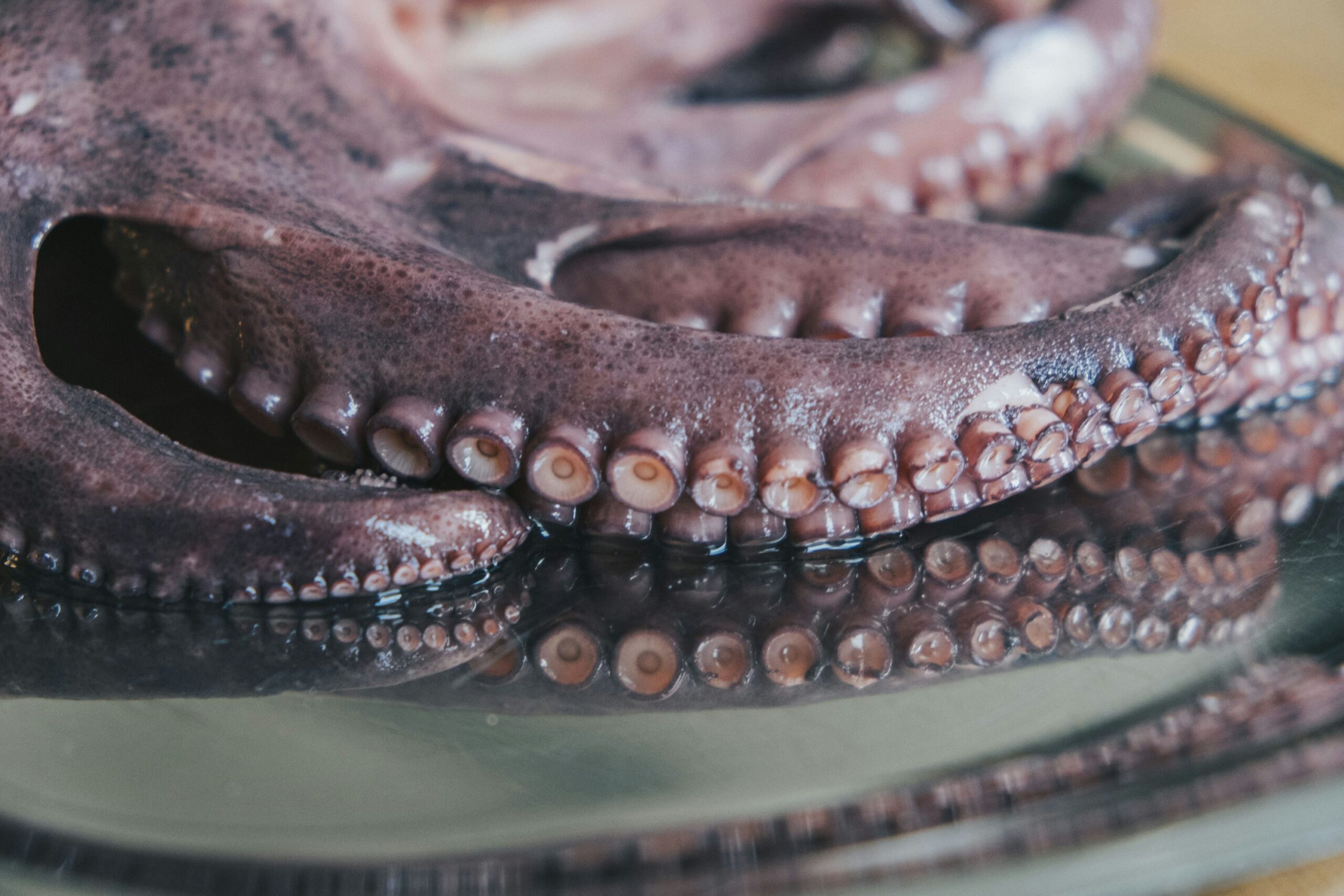
As global demand for premium cephalopod seafood continues to rise, Octopus Suppliers for Mexico are becoming increasingly important in maintaining a stable seafood supply chain. Indonesia has emerged as a trusted sourcing destination for frozen octopus products, offering high-quality IQF processing, HACCP-certified facilities, and consistent export capabilities. With Mexico facing growing pressure on its local seafood supply and rising international demand, Indonesian exporters are helping to bridge the Pacific seafood supply gap through reliable, sustainable frozen octopus distribution.
Mexico’s Octopus Market Is Changing
Mexico is one of the world’s most important octopus-producing countries, yet it is also increasingly dependent on imports.
This creates a unique market structure:
- Strong domestic production in the Yucatán Peninsula
- High export demand to the United States, Europe, and Asia
- Rising domestic prices in major wholesale markets
- Growing need for imported frozen octopus
As a result, Mexican seafood distributors and food service buyers are now expanding sourcing toward international suppliers, particularly in the Pacific region.
Indonesia has emerged as one of the most important alternative sources of supply.
Why Mexico Imports Octopus Despite High Production
Mexico’s octopus fishery is concentrated in the Gulf of Mexico, especially in:
- Yucatán
- Campeche
- Quintana Roo
According to fisheries data from Mexico’s national authorities (CONAPESCA and SIAP), the region produces tens of thousands of tons annually, making Mexico one of the top global producers.
However, three structural factors limit domestic availability:
1. High Export Share
A significant portion of Mexican octopus is exported to:
- United States
- Japan
- Italy
- South Korea
This reduces supply for domestic wholesalers.
2. Seasonal and Regulatory Pressure
Fishing restrictions, quotas, and enforcement actions, particularly in Campeche, have reduced consistent supply in recent years.
3. Rising Domestic Demand
Consumption is increasing across:
- seafood restaurants
- retail supermarkets
- tourism-driven food service sectors
This has pushed wholesale prices higher in hubs like La Nueva Viga (Mexico City’s main seafood market).
The Result: A Structural Import Gap
Mexico is not short of octopus production capacity, but it is short of stable domestic availability for local buyers.
This has created a consistent import demand for:
- frozen whole octopus
- IQF octopus
- cleaned and graded cephalopod products
Latin America’s frozen seafood import market continues to grow, with Mexico as one of the largest entry points.
Why Indonesia Is a Key Octopus Supplier to Mexico
Indonesia is one of the world’s leading wild-capture octopus exporters, supported by its extensive archipelagic fishing grounds.
Key production regions in Indonesia:
- East Nusa Tenggara
- Central Sulawesi
- Maluku Islands
- East Java coastal fisheries
Common exported species:
- Octopus cyanea (day octopus)
- Small-scale wild octopus species from Indo-Pacific waters
Why Indonesian supply is competitive:
- Year-round tropical fisheries
- Strong artisanal fishing networks
- Expanding cold-chain infrastructure
- Established export compliance systems
Indonesian exporters typically supply frozen octopus in:
- IQF (Individually Quick Frozen) format
- block-frozen whole octopus
- cleaned and graded cuts
These formats align with the needs of Mexican importers and processors.
Product Compatibility with the Mexican Market
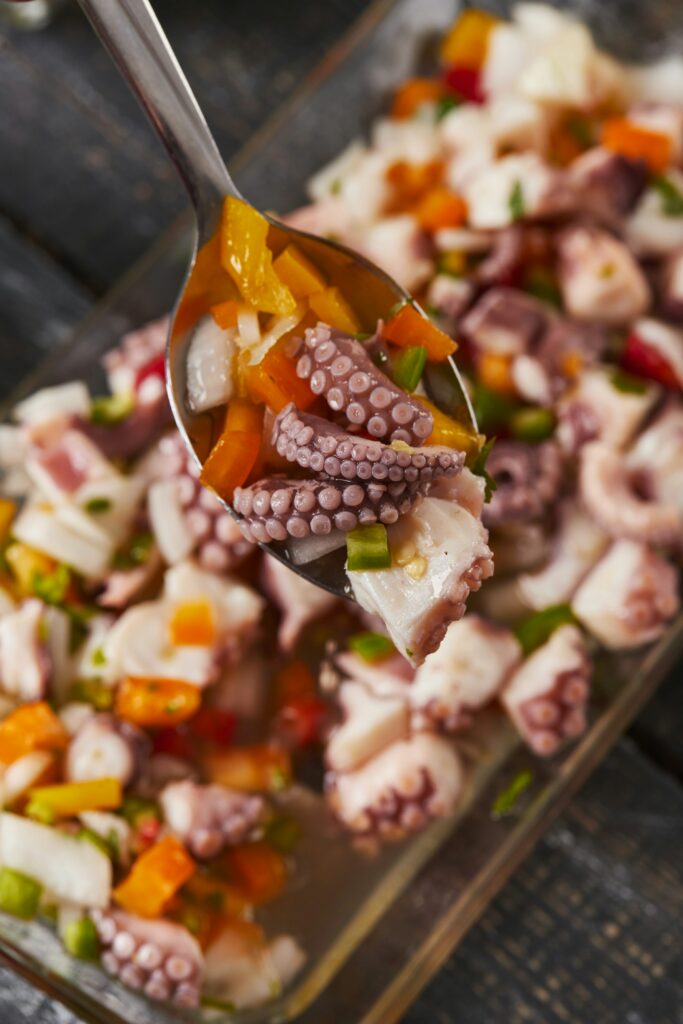
Mexican seafood processors prefer octopus that matches culinary and operational needs, such as:
- consistent sizing for portion control
- tender texture for grilling and ceviche applications
- reliable freezing standards for logistics stability
Indonesian octopus, especially Octopus cyanea, is widely used in international food service markets due to its:
- mild flavor profile
- soft texture after cooking
- adaptability to Mediterranean and Latin American cuisines
How Octopus Supply Chains Work in Mexico
Imported frozen octopus typically follows this route:
1. Export Country (Indonesia)
- harvesting from artisanal fisheries
- processing under HACCP systems
- freezing and grading by size
2. International Shipping
- containerized cold-chain logistics
- shipped to ports such as Veracruz, Manzanillo, or Lázaro Cárdenas
3. Mexican Importers
- customs clearance
- compliance with NOM-242-SSA1-2009 food safety standards
- cold storage distribution
4. Domestic Distribution
- La Nueva Viga wholesale market
- supermarket chains
- food service distributors
Certifications Required for Imported Octopus in Mexico
Imported seafood must comply with Mexican food safety regulations, including:
- NOM-242-SSA1-2009 (seafood hygiene and handling standards)
- HACCP certification (international food safety system)
- health and export certification from the country of origin
Indonesian exporters typically also comply with:
- traceability documentation
- catch certificates
- cold-chain handling protocols
Indonesia–Mexico Trade Opportunity in Octopus Supply
The combination of:
- strong Mexican demand
- limited domestic supply flexibility
- established seafood import infrastructure
- Growing Asia–Latin America trade routes
has created a stable opportunity for Indonesian exporters.
For Mexican importers, Indonesia offers:
- alternative sourcing outside Atlantic supply chains
- competitive pricing for frozen cephalopods
- consistent year-round availability
- scalable export volumes
Role of Indonesian Export Suppliers
Indonesian seafood exporters such as CV Anugerah Bahari Mandiri operate within this supply chain by:
- sourcing from certified small-scale fisheries
- processing under export-grade facilities
- maintaining cold-chain logistics
- supplying IQF and block-frozen octopus formats
This type of supply model supports international distributors in:
- Mexico
- United States
- Latin America
Global Octopus Market Outlook
The global octopus market continues to grow, driven by:
- rising seafood consumption in restaurants
- expansion of frozen seafood retail products
- increased demand for protein alternatives
Industry forecasts suggest steady growth over the next decade, particularly in:
- North America
- Latin America
- East Asia
For import-dependent markets like Mexico, this reinforces long-term reliance on diversified sourcing regions.
Conclusion: Mexico Will Continue Expanding Octopus Imports
Mexico remains a major global octopus producer, but structural market forces, exports, regulations, and rising domestic demand, have created a consistent import requirement.
Indonesia has emerged as one of the most important supply regions due to:
- strong wild-capture fisheries
- export-ready processing systems
- compatibility with Mexican market requirements
As the global seafood trade expands, the Indonesian octopus supply is positioned as a long-term component of Mexico’s seafood import strategy.
FAQ
Why does Mexico import octopus if it produces it?
Most domestic production is exported, and local demand often exceeds available supply in wholesale markets.
What countries supply octopus to Mexico?
Main suppliers include Morocco, Senegal, China, and Indonesia.
What type of octopus does Mexico import?
Mostly frozen whole octopus and IQF products are used in food service and retail distribution.
Is Indonesian octopus accepted in Mexico?
Yes, provided it meets NOM-242-SSA1-2009 and international HACCP standards.
Why is Indonesia a major octopus exporter?
Due to its large archipelago, year-round fisheries, and strong artisanal harvesting networks.