
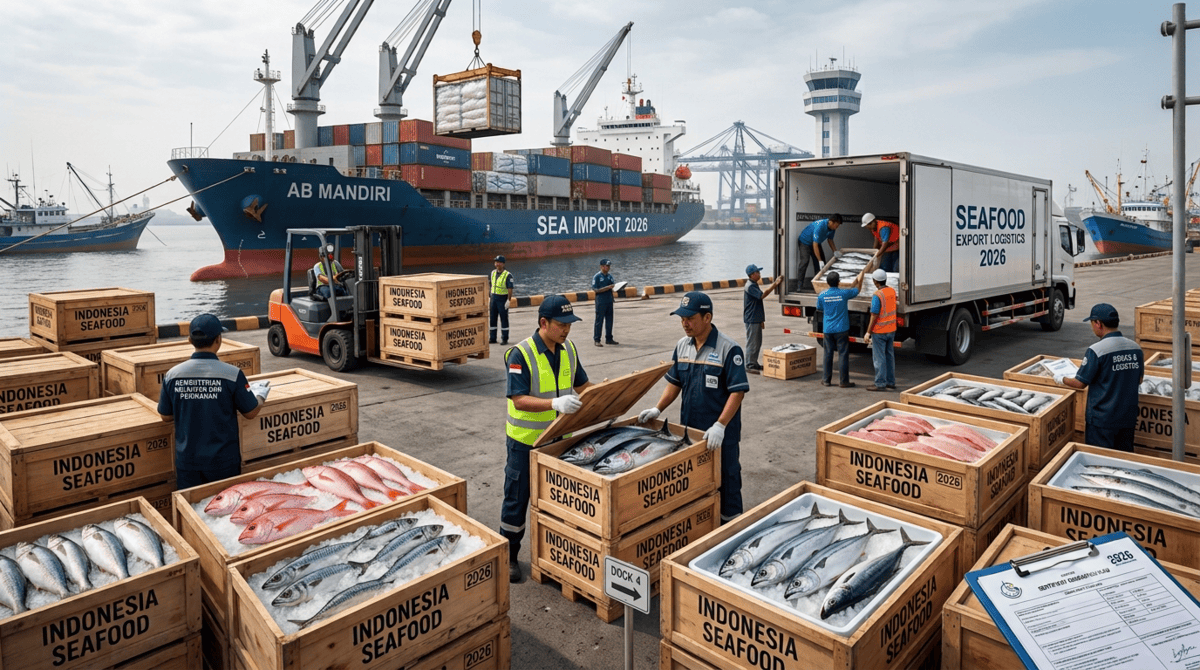
Seafood Import Costs from Indonesia in 2026 matter more than ever for buyers trying to secure a competitive supply without losing margin to hidden charges. Indonesia remains one of the most important seafood sourcing origins in the region; yet the final cost of imported seafood now depends on a wider mix of factors, from raw material pricing and processing formats to ocean freight, storage, compliance, and FX movement. For importers, that means the smartest buying decisions come from understanding the full landed-cost picture, not just the initial quote. Working with a reliable Seafood Distributor in Indonesia matters just as much as negotiating product price.
Why Is Everyone Asking About Seafood Import Costs from Indonesia in 2026?
Product prices still matter, but importers are now paying closer attention to freight volatility, exchange-rate movement, compliance requirements, and cold-chain expenses that affect the final landed cost.
In practical terms, the question is no longer “How much is the seafood?” but “What will this shipment really cost by the time it reaches my market?” That shift is making landed-cost visibility a much bigger part of conversations among seafood suppliers in 2026. Seafood distributors in Indonesia continue to offer strong sourcing opportunities, but buyers want better visibility before making commitments.
How Much Does Frozen Seafood Cost Per Kilogram in 2026?
Frozen seafood costs per kilogram in 2026 should be understood as a range rather than a fixed number. They depend heavily on species, product form, and processing level. The pricing range below helps explain what buyers are actually seeing in the market.
| Product | Approx. FOB Price (2026) | Notes |
| Vannamei Shrimp | ~US$8.94/kg (up 11.7% YoY, July 2026) | Count size drives 15–22% premium (21/25 vs 31/40) |
| PD Tail-On Shrimp (finished) | +US$0.80–1.20/kg processing on top of raw material | 2025–2026 conversion cost |
| Tuna Loin/Saku | FX pass-through 40–65% (higher USD-linked cost exposure) | Sashimi-grade commands premium |
| General Shrimp FX Sensitivity | 2% IDR depreciation ≈ 1.2–1.7% lower USD FOB | Assuming stable farmgate supply |
Different frozen seafood products have varying labour, yield, and logistics requirements, all of which affect the final number. A professional frozen seafood exporter should be able to explain not just the per-kilogram figure, but what makes that number move.
What Hidden Fees Make Up the Landed Cost Beyond the Product Price?
The hidden fees associated with seafood imports typically include ocean freight, port handling, cold storage, customs, and insurance. Together, these costs can add 10–20% or more to the FOB price. This is a key part of the seafood export products logistics stack, especially for frozen shipments that depend on reefer transport and cold-chain stability.
On short-haul Asia routes in 2026, moving a 20ft reefer may cost US$1,700–2,300 in freight alone. Cold storage and monitoring can add about US$22–42 per day, pushing the total logistics burden to roughly US$0.136/kg on a CFR basis. This is why many importers prefer working with a Seafood Distributor in Indonesia that provides transparent landed-cost breakdowns instead of product-only quotes.
How Do Currency Fluctuations (IDR to USD) Affect Your Final Price?
Currency movement affects seafood pricing in three main ways:
- Raw material costs may remain in IDR while export quotes are issued in USD.
- FX pass-through varies by product, meaning not every species responds the same way.
- Quote timing matters, especially when exchange rates move quickly.
In practice, shrimp can have a 2% depreciation of IDR, which may translate into only around 1.2–1.7% lower USD FOB pricing, assuming farmgate supply remains stable. Tuna often behaves differently, with a higher FX pass-through of around 40–65%, meaning currency shifts can affect quoted prices more noticeably. For importers, that means exchange-rate volatility can change the final cost even if the product specification stays the same. One of the simplest protections is to ask for a quote that clearly states the FX basis and validity period.
Which Seafood Products Offer the Best Value for Importers in 2026?
Value in seafood importing depends first on end use. Tuna is often the better fit for sashimi and premium seafood markets; whitefish fillets work well for retail and foodservice; and shrimp remains a strong option for buyers focused on steady volume.
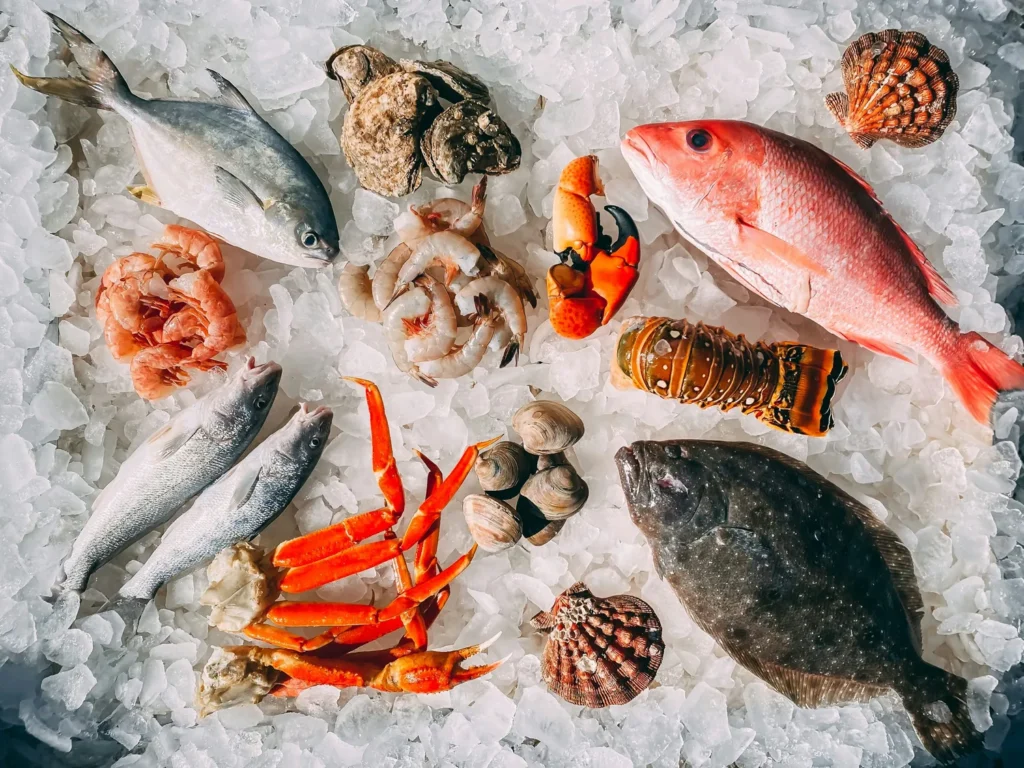
But in practice, value also depends on how well buyers build a balanced sourcing mix. Many importers achieve better results by comparing several seafood export products rather than focusing on a single category. A broader sourcing mix also supports fishery product diversification, which can make purchasing more stable over time. AB Mandiri gives a useful overview of this approach across Pelagic, Tuna, Milkfish, Demersal, Shrimp, and Cephalopods, including products such as Yellowfin Tuna, Grouper Fillet, Red Snapper, and Frozen Squid.
How Can You Choose a Reliable Seafood Distributor in Indonesia?
The best place to start when choosing a reliable Seafood Distributor in Indonesia is by focusing on the basics that affect product quality and shipment reliability. Buyers should evaluate four core areas: certification, cold-chain infrastructure, documentation, and pricing transparency. Certification matters because it signals export readiness. Cold-chain infrastructure directly affects product quality and stability. Documentation matters because incomplete paperwork can delay or complicate import clearance. Pricing transparency matters because unclear FOB or CIF terms often hide later problems.
A simple buyer checklist consists of:
- HACCP or other export certification
- -40°C blast freezing capability
- Complete documentation, including Health Certificate, Catch Certificate, and Certificate of Origin
- Clear FOB/CIF pricing
- A visible track record with international buyers
A dependable seafood supplier company should be able to show these clearly before any order is confirmed.
What Documents and Certifications Should You Verify Before Importing?
Before importing seafood from Indonesia, verify the core export documents. The standard document set normally includes the Health Certificate, Catch Certificate, Certificate of Origin, Packing List, and Commercial Invoice. Also check destination-specific requirements, such as GACC CIFER for China and FDA registration for the U.S.
These documents are part of seafood exporters’ compliance standards and play a direct role in whether a shipment clears smoothly or faces delays.
How Can Importers Reduce Landed Costs Without Sacrificing Quality?
Lower landed cost often comes from eliminating inefficiencies in the shipment process rather than from lower seafood prices. Importers usually have the most control over four areas: load consolidation, container fill optimisation, FX clause negotiation, and supplier routing. Working directly with a seafood trader or exporter can also remove broker markups that add cost.
Small logistics decisions can make a bigger difference than many buyers expect. For example, floor-loading instead of palletizing can shift per-kilogram logistics cost by 20–28%, depending on how the container is packed. For buyers working with a serious seafood supplier, these decisions should be part of the commercial discussion.
The full landed cost is what importers actually pay once freight, customs, cold chain, and FX risk are accounted for. For buyers who want clearer pricing and fewer surprises, request a transparent quote from a trusted seafood exporter and seafood supplier company in Indonesia.
Get in touch today to discuss your sourcing needs directly.
FAQ Section
Costs vary by species and form, but expect FOB shrimp prices near $8.94/kg, plus freight, customs, and cold-chain fees.
Landed cost is the total price to get seafood to your door: product cost, freight, insurance, customs duties, and cold storage.
Farmgate supply, IDR-to-USD exchange rates, seasonal catch volume, and global demand all drive month-to-month price shifts.
Health Certificate, Catch Certificate, Certificate of Origin, Packing List, and Commercial Invoice are standard requirements.
Yes. Buying directly from a seafood distributor in Indonesia usually removes broker markups and gives more transparent pricing.
Shrimp, tuna, snapper, grouper, squid, and milkfish are among Indonesia’s top frozen seafood export products.
Consolidate shipments, optimize container load, request FX-clear quotes, and work directly with a trusted seafood supplier company.
Check certifications, cold-chain capabilities, documentation, and transparency in communication before committing to a supply contract.