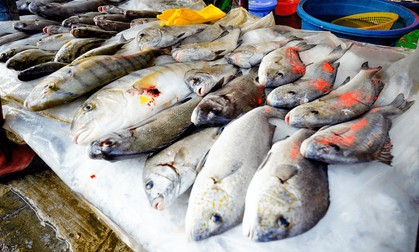
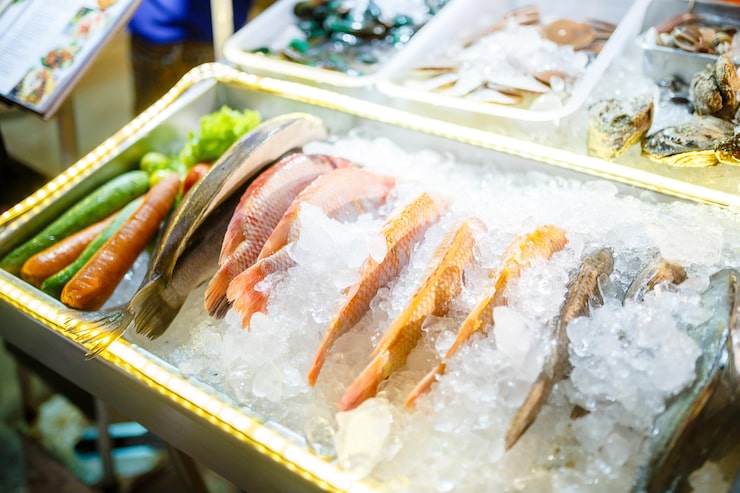
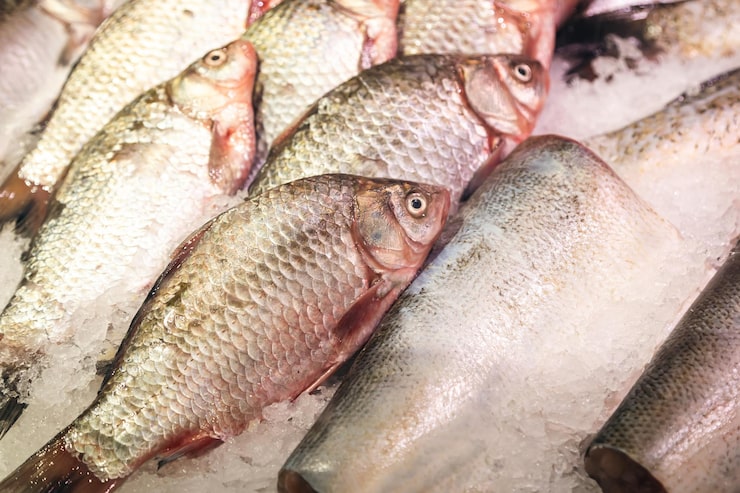
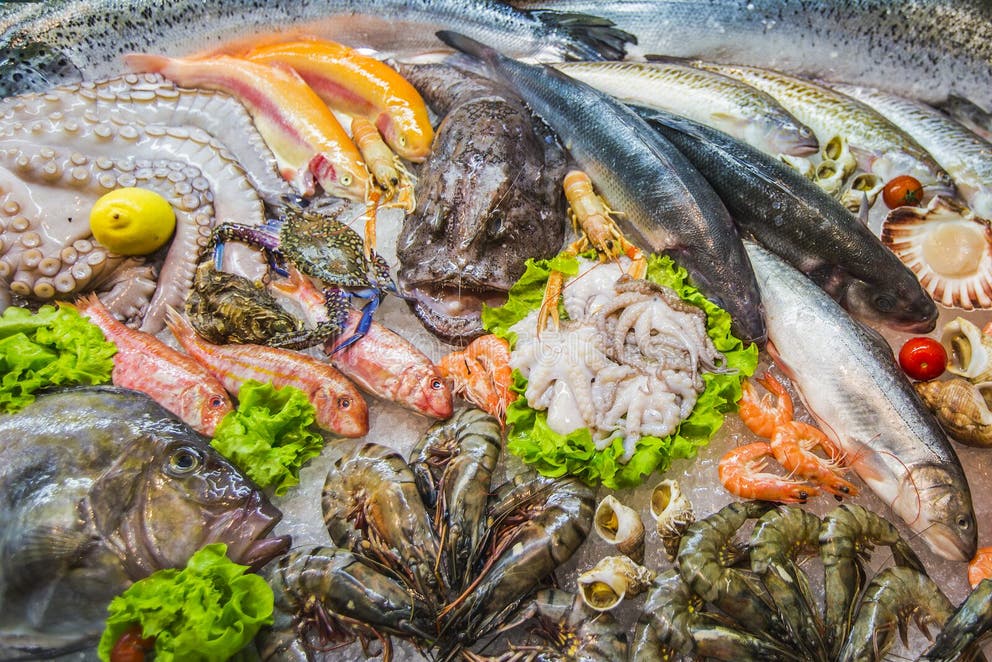
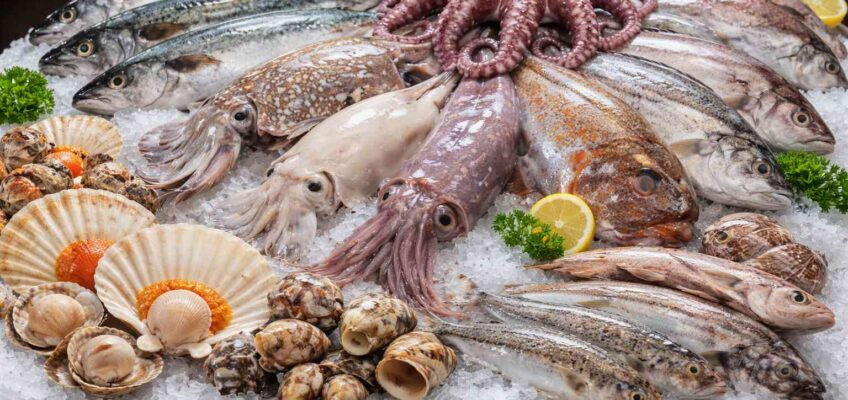
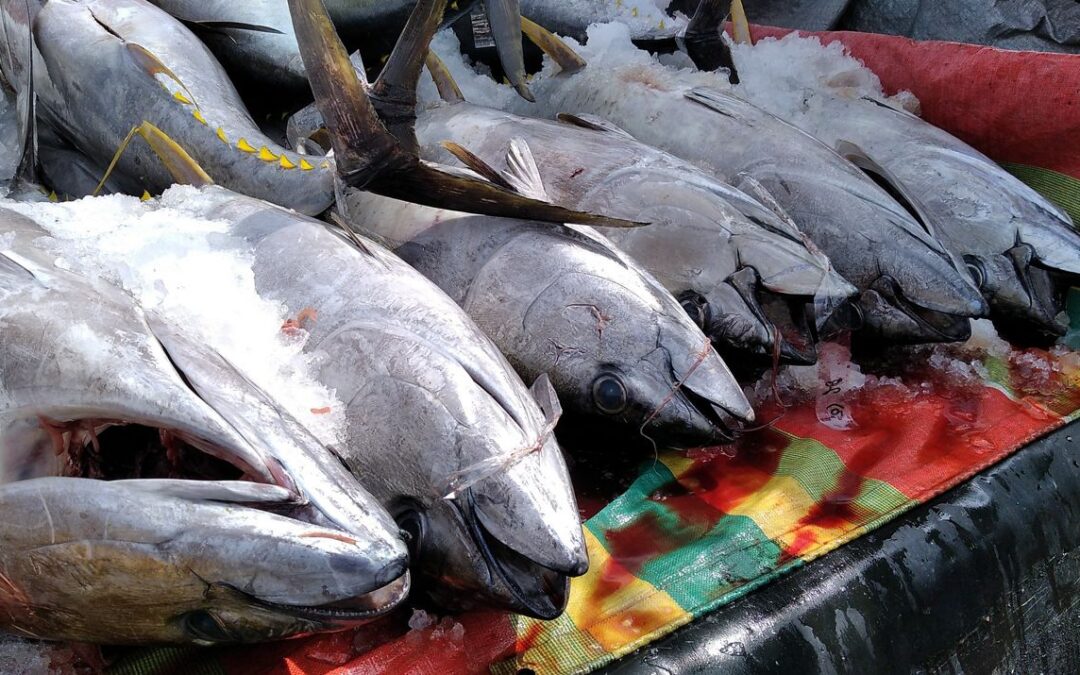
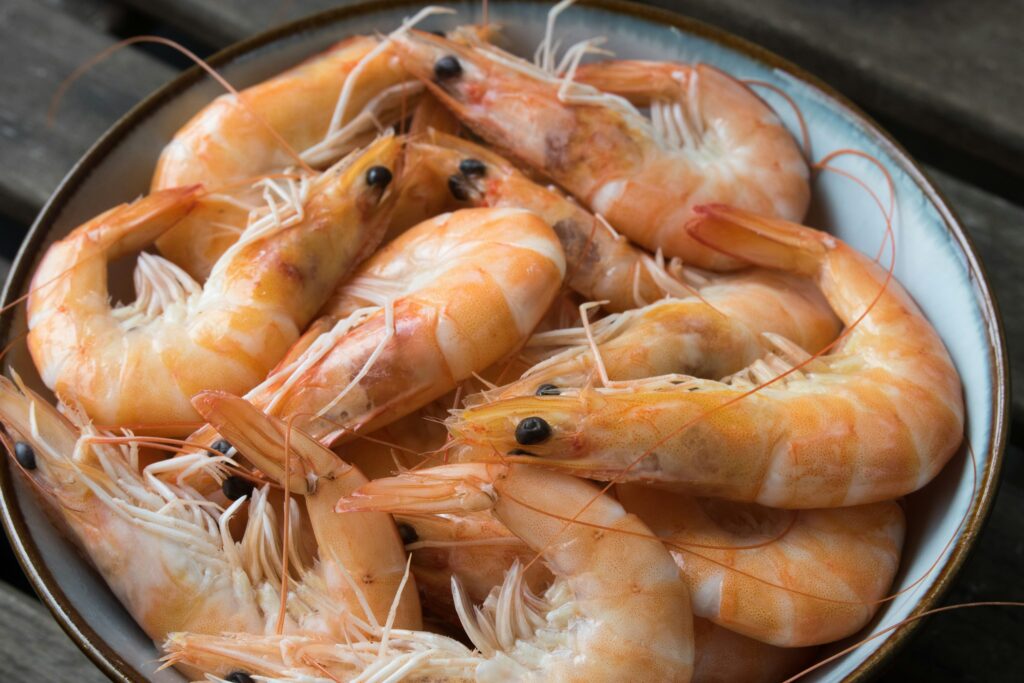
A shipment of frozen tuna can cross an ocean in days and then sit at a US port for weeks if the paperwork behind it falls short. For importers serving the United States and Mexico, choosing reliable seafood suppliers is just as important as selecting the right products. The difference between a clean release and a costly hold often comes down to one program: the Seafood Import Monitoring Program, or SIMP. As 2026 brings new funding and a clear push toward tighter rules, the readiness of your seafood supplier partner in Indonesia has become a core part of your import strategy, not a back-office detail. This guide walks through what SIMP demands, where it is moving, and how to source from Indonesia with confidence.
Why is SIMP the first thing US importers should check in 2026?
SIMP is a risk-based traceability program managed by NOAA Fisheries. It requires the US importer of record to collect, report, and keep chain-of-custody data for certain seafood, tracing each product from the moment it is harvested to the moment it enters US commerce. The goal is to keep illegally caught, unreported, and fraudulently labelled seafood out of the American market.
SIMP covers a wide range of seafood. It currently applies to over 1,100 species across 13 groups, which together account for nearly half of all seafood imported into the United States. Two things often surprise new importers: there is no minimum threshold, so even small trial orders require full records, and the legal responsibility lies with the importer of record, not the exporter. This is why choosing reliable seafood suppliers is essential, as you can only submit documents that your seafood exporter can provide.
What does SIMP actually require at the border?
Reporting occurs through the International Trade Data System, which is the US government’s main data portal within ACE. To import a covered product, the importer of record must hold an International Fisheries Trade Permit and report specific harvest and landing details upon the product’s entry into the country. The importer also needs to keep records that show the chain of custody for each entry.
Your supplier needs to provide a clear set of documents for each shipment. This includes details about the harvesting vessel or aquaculture facility, the fishing area and gear type, harvest dates and locations, landing records, and any processing or mixing that occurred. NOAA offers a sample catch certificate that suppliers can use for their supply chains. A reliable seafood export company prepares this documentation as part of the order, not as an afterthought.
Are your Indonesian species on the SIMP list?
The 13 covered groups include several pillars of Indonesia’s export trade, above all tuna and shrimp, as well as snapper, blue crab, mahi-mahi, and more. Indonesia is one of the largest suppliers of tuna and shrimp to the United States, so a great deal of the country’s seafood export products already fall within SIMP’s scope.
Buyers should assume their products are covered by SIMP and check early. If you are importing frozen tuna loins, skipjack, or shrimp from an Indonesian exporter, plan for SIMP requirements and confirm the species code before placing an order. A supplier who knows which fishery products are covered can help you avoid problems later.
What should you ask a supplier before you order?
When choosing a seafood supplier, focus on their documentation rather than just their prices. Before ordering, make sure the exporter can provide a full chain of custody for covered species, complete vessel and harvest records, traceable processing with a reliable cold chain, valid export and food safety certificates like HACCP, and a record of successful US entries. Also, ask how quickly they respond to customs brokers’ requests, since prompt responses help protect perishable goods.
CV Anugerah Bahari Mandiri stands out here. Based in Makassar, South Sulawesi, the company processes and exports fresh and frozen fishery products from Indonesian waters and works with buyers who need strong documentation for US ports. For importers building a compliant program, working with a dedicated exporter is preferable to relying on suppliers that cannot trace their own supply chain.
How is SIMP shifting in 2026, and what does it mean for you?
SIMP is likely to cover more species in the future. In December 2022, NOAA suggested expanding SIMP from about 1,100 to around 1,672 species, but withdrew the proposal after public feedback and following a review of the program through 2023 and 2024. In November 2024, NOAA released an action plan focused on better traceability, addressing forced labour, and promoting fair global trade. Two recent developments make SIMP even more important. In April 2025, Executive Order 14276 told the Commerce Department to review SIMP expansions and improve the program. In January 2026, Congress appropriated funding to NOAA to carry out the action plan during the 2026 fiscal year. The supplement would eventually require traceability for all US seafood imports. Importers should act as if broader coverage is coming, since it is easier to start with a compliant supply chain than to adjust after new rules take effect.
Why does compliant sourcing matter for both US and Mexican buyers?
SIMP is a US regulation, but its benefits reach all of North America. The United States, Mexico, and Canada work together to fight illegal fishing, including joint funding efforts. On both sides of the US-Mexico border, retail and foodservice buyers now expect proof of origin as a standard requirement.
A supplier who meets the strict US market standards is also prepared for buyers in Mexico who want the same level of assurance. Choosing an exporter focused on traceability reduces the risk of cargo being detained or rejected, protects your brand from fraud, and gives your customers a trustworthy story about the origin of their seafood. In short, compliance is both a customs requirement and a competitive advantage in the region.
Sourcing with confidence in 2026
Importers who treat documentation as essential are rewarded under SIMP. Work with an Indonesian seafood supplier who understands the rules, keeps accurate records, and responds quickly, and compliance becomes much easier. With more funding and a push for greater traceability in 2026, this approach is even more important. To start a compliant supply of Indonesian tuna, shrimp, and other fishery products, contact CV Anugerah Bahari Mandiri for a quote.
Frequently Asked Questions
What is SIMP?
SIMP is a US traceability program that requires importers to report harvest-to-entry data for at-risk seafood species, helping keep illegally caught or fraudulent products out of US commerce.
Does SIMP apply to seafood from Indonesia?
Yes. Any covered species entering the US must meet SIMP rules regardless of origin, and Indonesian tuna and shrimp are among the most common covered imports.
Who is legally responsible for SIMP compliance?
The US importer of record holds legal responsibility, but accurate harvest and chain-of-custody data from your Indonesian supplier is what makes that compliance achievable.
How many species does SIMP cover?
SIMP currently covers more than 1,100 unique species across 13 species groups, representing close to half of all seafood imported into the United States.
Is any shipment small enough to skip SIMP records?
No. SIMP has no de minimis threshold, so covered species need full reporting and records regardless of shipment value or volume.
Will SIMP expand in 2026?
Possibly. NOAA-funded action plan points toward broader traceability, so sourcing from compliant suppliers now protects you against future rule changes.
What documents should my supplier provide?
Expect harvest details, vessel and gear information, catch or landing records, and processing traceability that support your ITDS entry and importer recordkeeping.
Does compliant sourcing benefit Mexican buyers, too?
Yes. Traceable supply suits buyers across North America, including the US and Mexico, where demand for responsibly sourced, documented seafood continues to climb.
A pallet of tuna loins leaves a processing plant in Makassar at a hard, stable temperature. Weeks later, it clears a reefer terminal in Los Angeles, and the only thing that matters to the buyer is whether those loins are still exactly as they left South Sulawesi. That single unbroken thread of cold, stretched across more than 12,000 kilometres of open Pacific, is the real product a frozen seafood exporter sells. The fish is only as good as the temperature history behind it. For importers in the United States and Mexico, understanding that journey is the difference between a clean release and a container full of write-offs. The market is large and increasingly demanding: Indonesia exported USD 5.95 billion in seafood in 2024, with the United States as the largest buyer at USD 1.9 billion, according to SeafoodSource.
Why does the cold chain start in Makassar rather than at the port?
The most common misconception among new buyers is that the cold chain begins when the container is sealed. It begins much earlier, on the boat and on the processing floor. Once seafood is frozen, it must remain frozen, and the global benchmark for frozen fish is a core temperature of -18°C (0°F) or below, which Maersk cites as the standard for frozen seafood in reefer transport. At that temperature, the U.S. Food and Drug Administration considers frozen seafood safe indefinitely, though peak quality lasts roughly 4 to 8 months, depending on the species, as summarised by MGS.
What happens before loading decides everything that follows. A disciplined exporter blast-freezes the product to its core, applies a protective ice glaze, or vacuum-packs fatty species like tuna and mackerel to fight oxidation, and stages the cargo so it never sits warming on a tropical loading dock. Makassar’s equatorial heat is unforgiving, and a few minutes of careless handling can start the slow damage that only shows up when the box is opened in California. This is why sourcing from a hands-on frozen seafood exporter, rather than from a broker who never touches the fish, protects the value of what you are paying for.
What happens to seafood on a multi-week Pacific voyage?
A refrigerated container, or reefer, does not freeze cargo. It maintains the temperature it is given. For frozen seafood, the unit is typically set to -20°C for supply air, with a return-air alarm around -18°C. The product must already be at the target temperature when it is loaded, because the machine holds the cold; it does not create it. Most of this cargo crosses the Pacific in 40-foot high-cube reefers, which now account for over 90 per cent of global reefer volume.
The crossing itself takes several weeks at sea, and every hour of it is a test of consistency. Stable cold prevents freezer burn, the dry, discoloured surface dehydration that ruins texture and taste, and it slows the oxidation that turns oily fish rancid. The container’s own data logger records supply and return temperatures throughout the voyage, typically every 15 to 60 minutes, while independent loggers and IoT trackers provide the buyer with a second, tamper-resistant record. When the box lands in Los Angeles, that data file is the proof that the cold chain never broke. A serious exporter treats that paper trail as part of the shipment, not an afterthought.
How big is the Makassar-to-America seafood trade, really?
The numbers explain why cold chain discipline is a commercial issue, not just a technical one. Shrimp is the headline commodity. In 2024, Indonesian shrimp exports were worth USD 1.68 billion across a volume of 214,580 tons, and a striking 63.7 percent of that went to the United States, according to data from Indonesia’s marine affairs ministry. That same report ranks Indonesia as the world’s fifth-largest shrimp exporter, with roughly 6 percent of global market share, behind Ecuador, India, Vietnam, and China.
Tuna, skipjack, squid, octopus, and crab round out the export mix, and much of it travels frozen. For a buyer in Los Angeles, Long Beach, or a distribution hub feeding into Mexico, that scale means two things. First, there is a deep, reliable supply from Indonesia for the species that the US and Mexican menus depend on. Second, because so much volume flows through a handful of West Coast gateways, any cold chain weakness gets amplified. A reputable seafood export company protects not just one container but a buyer’s entire reorder rhythm, which is where the real money sits. Volume without consistency is a liability, and consistency is exactly what cold-chain rigour buys.
Where do cold chains break, and how are failures prevented?
Cold chains rarely fail mid-ocean. They fail at the seams. The highest-risk points are the transfer from cold storage into the container, transhipment at a second port, and customs holds, where a truck’s generator set can quietly quit. Each handoff is a chance for warm, humid air to creep in. The defence is a mix of protocol and proof: loading the container quickly through a refrigerated dock, choosing direct routings over transhipment when possible, and pre-clearing documentation so a shipment never bakes in a customs queue. Kantaphat Seafood outlines these breakpoints and the preventive steps associated with them.
Time and temperature are the twin enemies. The FDA’s guidance, summarized by MGS, warns that seafood left above 4°C (40°F) for more than two hours enters the bacterial danger zone, the 4°C to 60°C band the USDA flags as where pathogens multiply fastest. Monitoring closes the gap between hope and certainty. Modern shipments carry container data loggers, independent battery loggers from brands like Sensitech and DeltaTrak. Real-time GPS and temperature trackers, and irreversible time-temperature indicator labels that change color the instant a threshold is crossed. A frozen seafood exporter that ships with this layered monitoring lets the buyer verify integrity rather than simply trust it.
What do tariffs and tighter scrutiny mean for importers in 2026?
The trade lane has grown more complex, and cold chain quality now sits alongside compliance on the importer’s checklist. In 2025, the United States imposed a 19 percent tariff on Indonesian goods, and the cash-flow effect is immediate, since importers pay that tariff the moment containers arrive at U.S. ports, as exporters told SeafoodSource. When working capital is tied up in duties, the last thing any buyer can absorb is a rejected load.
Scrutiny at the border has sharpened, too. In 2025, U.S. authorities denied entry to shrimp containers at major ports, including Los Angeles, after detecting a contaminant, showing that a single quality failure can strand product at the dock. For US and Mexican importers, the takeaway is consistent: the cost of a cheap, careless supplier shows up at the worst possible point, after the duty is paid and the cargo is already on American soil. Sourcing from a documentation-first exporter with a verifiable cold chain is the cheapest insurance available against a very expensive failure.
Why does this matter for buyers in both the US and Mexico?
Los Angeles is not only a U.S. destination but also a North American gateway. Products that land on the West Coast routinely feed distribution networks that serve buyers across the United States and into Mexico. Where demand for shrimp, tuna, and other frozen seafood continues to climb. As importers on both sides of the border push for nearshore reliability and proof of origin, an exporter that can satisfy the strictest U.S. cold chain and documentation expectations is, by definition, ready for Mexican buyers who want the same assurance.
The shared logic is simple. A container engineered to arrive in Los Angeles at a flawless -18°C, with a complete temperature log and clean compliance paperwork, carries the same value whether its final stop is a restaurant group in California or a distributor in Monterrey. Cold chain excellence spans the entire region. For buyers building resilient North American supply chains, the Indonesian exporter who masters the Makassar-to-LA lane becomes a single, dependable source for the entire market, not just one country.
How do you choose a cold-chain-ready Indonesian partner?
Vetting is about the seams, not the slogans. A cold-chain-ready exporter should blast-freeze to core temperature before loading, ship in well-maintained reefers set to frozen specifications, provide full temperature logs and independent monitoring, hold valid export and food-safety credentials such as HACCP, and route shipments to minimise transhipment and customs delay. Ask how quickly they answer when a broker needs one more document, because in perishable trade, responsiveness protects the cargo.
This is where CV Anugerah Bahari Mandiri, a Makassar-based seafood exporter, fits a serious buyer’s needs. The company processes and ships fresh and frozen fishery products caught fresh from Indonesian waters, with the handling discipline that an unbroken Pacific cold chain demands. For importers assembling dependable supply into the United States and Mexico. Partnering with a focused exporter that owns its cold chain beats stitching together one-off loads from sources that cannot prove a single degree of their product’s journey. The fish will always matter. In 2026, the temperature history behind it matters just as much.
Frequently Asked Questions
At what temperature is frozen seafood shipped?
Frozen seafood travels at or below -18°C (0°F). The reefer is usually set to -20°C for supply air, with a -18°C return-air alarm to maintain quality throughout the voyage.
How long does it take for seafood to ship from Indonesia to Los Angeles?
A Pacific Ocean crossing typically takes several weeks. Exact timing depends on the carrier, routing, and any transhipment, so direct services help protect cold chain integrity.
How big is Indonesia’s seafood trade with the US?
Indonesia exported USD 5.95 billion of seafood in 2024, with the US the largest market at USD 1.9 billion, and 63.7 percent of its shrimp going to American buyers.
Where do cold chains most often break?
At the seams: loading from cold storage, transhipment between ports, and customs holds. Quick loading, direct routing, and temperature monitoring prevent most failures.
How can a buyer verify that the cold chain was maintained?
Through container data loggers, independent loggers, GPS trackers, and time-temperature indicator labels, which together give a tamper-resistant record from Makassar to the port of entry.
Indonesia is a top supplier of fish to American kitchens, restaurants, and retailers. In 2024, Indonesia exported USD 5.95 billion in seafood export products, with the United States as its main buyer at USD 1.9 billion. That means one of every three dollars’ worth of Indonesian seafood lands in American ports.
Behind every successful shipment of shrimp, tuna, snapper, or octopus is a stack of paperwork that must be perfect. One missing certificate, a mismatched HS code, or an outdated license can cause your shipment to sit at a US port. You’ll face storage fees while your buyer’s freezer space goes empty.
This checklist walks you through every document you need to legally ship seafood from Indonesia to the United States, whether you’re a US importer vetting your supply chain or a new buyer working with a trusted Indonesian seafood supplier for the first time.
Why Seafood Export Documentation Is Different (and Stricter)
Seafood isn’t like exporting furniture or textiles. It’s a perishable, high-risk commodity regulated under three overlapping frameworks:
Indonesian export law is overseen by the Ministry of Marine Affairs and Fisheries (KKP) and Indonesian Customs (Bea Cukai).
US import law is enforced by the FDA, NOAA Fisheries, and US Customs and Border Protection (CBP).
International traceability standards, including the Seafood Import Monitoring Program (SIMP), the Catch Documentation Scheme (CDS) for tuna, and IUU (Illegal, Unreported, Unregulated) fishing prevention rules.
For frozen seafood export products, especially the bulk of what an experienced frozen seafood exporter ships, the cold chain documentation must match the cargo physically. If the temperature log says -25°C and CBP inspectors find -15°C, the shipment can be refused entry.
The Master Checklist: 11 Documents Every Indonesian Seafood Exporter Must Provide
A professional seafood export company should prepare all required documents before the container leaves the Port of Makassar, Tanjung Priok, or Surabaya.
1. Commercial Invoice
The foundational document. It lists the buyer and seller, Incoterms (typically FOB, CIF, or CFR), unit price, total value, and a clear product description with the species name in Latin (e.g., Thunnus albacares for yellowfin tuna). US Customs uses this to calculate duty.
2. Packing List
Itemises every carton: net weight, gross weight, dimensions, carton count, master cartons, and product form (whole round, fillet, IQF, block frozen). The packing list must reconcile exactly with the bill of lading and commercial invoice.
3. Bill of Lading (B/L) or Air Waybill (AWB)
The shipping line or airline issues this title document, such as a B/L or AWB. For US shipments, it must list the importer’s IRS or EIN number and a clear consignee. Telex-released or express B/L is common for trusted buyer-supplier relationships.
4. Certificate of Origin (Form COO)
The Indonesian Ministry of Trade or an authorized chamber of commerce issues the Certificate of Origin. This document confirms that Indonesia harvested and processed the seafood. Exporters claiming preferential tariff treatment under trade agreements must use the correct form.
5. Health Certificate (HC)
BKIPM (Badan Karantina Ikan, Pengendalian Mutu dan Keamanan Hasil Perikanan), Indonesia’s Fish Quarantine and Quality Control Agency issues the Health Certificate. This certificate confirms that the seafood is fit for human consumption and free of pathogens. The US FDA requires this for every seafood consignment.
6. Catch Certificate / SIMP Documentation
Many new exporters get tripped up here. NOAA’s Seafood Import Monitoring Program (SIMP) requires traceability for 13 priority species, such as tuna, grouper, snapper, and mahi-mahi. All seafood exporters to the US must supply:
Vessel name and flag
Fishing license/permit number
Catch area (FAO fishing zone, typically 71 for Western Central Pacific)
Date and method of harvest
Landing port and date
The US importer files this data into NOAA’s ITDS system before the cargo arrives.
7. HACCP Plan and Processing Plant Approval
The FDA requires all seafood processing plants to follow a written HACCP (Hazard Analysis and Critical Control Points) plan. The processor must also register with the FDA under the Food Facility Registration system and hold a current FDA Food Facility Registration Number (FFRN). A reputable seafood supplier company will hold this certification and provide a copy on request.
8. Cold Chain & Temperature Log
For all frozen seafood products, the exporter must provide a temperature log showing that the cargo was maintained at or below -18°C from processing to loading. Most professional exporters freeze at -40°C using ABF (Air Blast Freezer) and store at -20°C, the standard practiced by CV Anugerah Bahari Mandiri’s processing facility.
9. Customs Declaration (PEB)
The exporter files the Pemberitahuan Ekspor Barang electronically through Indonesia’s INSW (Indonesia National Single Window). This declaration states the goods, value, destination, and applicable HS codes (typically Chapter 03 for fish and Chapter 16 for prepared seafood). The exporter must secure PEB approval before loading the cargo onto the vessel.
10. Insurance Certificate
For CIF shipments, marine cargo insurance is mandatory. Even for FOB shipments, sharing a copy of the insurance policy is best practice. This covers cargo damage, theft, or temperature-related issues during transit.
Quick Reference: Who Issues What?
Document
Issued By
Required For US Entry?
Commercial Invoice
Exporter
Yes
Packing List
Exporter
Yes
Bill of Lading
Shipping Line
Yes
Certificate of Origin
Ministry of Trade
Yes
Health Certificate
BKIPM
Yes
SIMP Data
Exporter / Vessel
Yes (13 species)
HACCP Plan
Processing Plant
Yes
Temperature Log
Exporter
Yes (frozen)
PEB (Customs Declaration)
Indonesian Customs
Yes (export side)
Insurance Certificate
Insurer
For CIF terms
Species-Specific Requirements You Cannot Skip
Different fishery products have different paperwork. Here’s a quick guide:
Tuna (Yellowfin, Skipjack, Albacore, Bigeye)
Tuna exports require a Catch Documentation Scheme (CDS) certificate, especially for the EU and for shipments watched closely by NOAA. Bigeye tuna also needs ICCAT-compliant documentation. CV Anugerah Bahari Mandiri ships all tuna exports with CDS documentation.
Demersal Species (Grouper, Snapper, Coral Trout)
Reef-associated species, such as grouper and snapper, require additional traceability under SIMP. CITES listings may apply to certain grouper species; always check before quoting a US buyer.
Cephalopods (Squid, Octopus, Cuttlefish)
Cephalopods require sanitary certificates documenting the water quality of the harvesting water. The US has strict heavy-metal limits (cadmium especially) for octopus.
Milkfish and Pelagic Species (Mackerel, Sardine, Marlin, Mahi-Mahi)
Pelagic species are generally lower-risk but still require the full health certificate and SIMP data for mahi-mahi. Marlin requires special documentation in some regions due to its IUCN status.
The 5 Most Common Documentation Mistakes That Delay US Shipments
Mismatched weights between the commercial invoice, packing list, and B/L. CBP flags this immediately.
Missing or incorrect SIMP data is the most common reason for refusal of entry for tuna and shrimp.
Expired FDA Food Facility Registration must be renewed every two years.
Incorrect HS codes using Chapter 03 (raw) versus Chapter 16 (prepared) can trigger anti-dumping reviews.
Temperature log gaps, even a 30-minute gap in the cold chain log can lead to FDA detention.
How to Vet Your Indonesian Seafood Supplier in 4 Steps
If you’re a US buyer evaluating a new seafood supplier in Indonesia, here’s the quick due diligence framework:
Ask for the FDA FFRN number and verify it on the FDA Industry Systems portal.
Request a sample HC and SIMP packet from a recent US shipment.
Verify the BKIPM approval number of the processing facility.
Confirm cold chain capability; look for ABF freezing at -40°C and storage at -20°C as the minimum standard.
Timeline: How Long Should the Documentation Process Take?
For a regular US-bound container of frozen seafood from a well-organized exporter:
Day 0: Order confirmed, processing begins.
Days 1–3: Production, freezing, packing, and internal QC.
Days 4–5: BKIPM inspection and Health Certificate issuance.
Day 6: Customs declaration (PEB) filed.
Day 7: Container loaded and B/L issued.
Days 8–25: Sea transit to US West Coast (LA/Long Beach) or 28–35 days to East Coast (Newark, Miami).
Arrival: CBP and FDA review documents; cleared cargo is typically released within 3–7 days.
Partner with a Compliant Indonesian Seafood Exporter
Documentation is only as reliable as the company preparing it. Choosing the right partner means choosing a seafood distributor who treats paperwork with the same precision as the catch itself.
CV Anugerah Bahari Mandiri is based in Makassar, South Sulawesi, at the heart of Indonesia’s richest fishing grounds. We supply fresh and frozen seafood export products for export to importers across the United States, Asia, and Europe, with complete documentation, FDA-registered processing, and cold-chain integrity from net to port.
Whether you’re importing tuna loins for sushi-grade buyers, frozen grouper for Asian-American grocery chains, or octopus for upscale seafood restaurants, our team handles every certificate, log, and customs filing so your container moves through US ports without surprises.
Contact CV Anugerah Bahari Mandiri todayto request a quote, a sample documentation packet, or a product specification sheet, and ship your next seafood container with full peace of mind.
Frequently Asked Questions
What documents do I need to export seafood from Indonesia to the US?
You need 11 core documents: commercial invoice, packing list, bill of lading, certificate of origin, BKIPM health certificate, SIMP data, HACCP plan, sanitary certificate, temperature log, PEB customs declaration, and insurance certificate.
Is SIMP required for all seafood imports into the US?
No. SIMP applies to 13 priority species, including tuna, shrimp, grouper, snapper, mahi-mahi, swordfish, blue crab, sea cucumber, abalone, red king crab, and sharks, as well as Atlantic and Pacific cod.
How long is an Indonesian Health Certificate valid?
BKIPM health certificates are issued per shipment, not on a recurring basis. Each container or air consignment receives its own HC linked to the specific lot and inspection.
What is the FDA Food Facility Registration Number?
It’s a unique number every seafood processing plant exporting to the US must hold and register through the FDA Industry Systems portal. It must be renewed every two even-numbered years.
Can I import seafood without a US customs broker?
Technically, yes, for small shipments, but a licensed customs broker is strongly recommended. They handle CBP filings, FDA Prior Notice, and SIMP data submission accurately.
What HS codes apply to frozen fish from Indonesia?
Most frozen whole or filleted fish fall under HS Chapter 03 (specifically 0303 and 0304). Prepared or canned seafood is covered under Chapter 16. Always confirm the exact 10-digit code with your broker.
Why was my seafood shipment held by the FDA?
Common reasons include missing documentation, incorrect labeling, suspected adulteration, the presence of banned antibiotics, or the exporter being on the FDA Import Alert list. A trusted exporter prevents all of these.
Indonesia has quietly achieved something no other fishing nation has done before: it built a mandatory, government-backed, end-to-end traceability system covering every seafood product from the moment it leaves the water to the moment it crosses a border. For US importers, Spanish wholesalers, and global buyers searching for a reliable seafood exporter that can prove the provenance of every shipment, this transformation changes everything. This article explains exactly how it happened, why it matters for your supply chain, and what Indonesia’s traceability revolution means for buyers sourcing frozen seafood products today.
Indonesia’s Ocean: The Numbers Behind the Nation’s Rise
Before we discuss traceability, it is worth understanding why Indonesia’s fisheries are a global force in the first place. Indonesia is an archipelago of over 17,500 islands, spanning 3.25 million km² of ocean. Making it the largest maritime nation in Southeast Asia. According to SEAFDEC’s 2025 country profile, approximately 70% of Indonesia’s total land and sea area is ocean, making the fisheries sector foundational to the national economy.
The scale of production is enormous:
Metric
Figure
Source
Indonesia’s share of global seafood production
7% of the world total
FAO SOFIA Report, 2024
Global seafood trade value (2022)
USD 195 billion
FAO SOFIA Report, 2024
US imports of Indonesian seafood (H1 2024)
USD 889.39 million
GDST / AP2HI, 2025
Indonesia’s share of its own total seafood exports going to the US
38%
GDST / AP2HI, 2025
Indonesia’s fisheries contribution to national GDP (Q3 2024)
2.54% — IDR 407 trillion
SEAFDEC, 2025
Aquaculture production growth (2000–2021)
From 993,727 t to 14.6 million t
FAO FishStatJ, 2023
As Indonesia’s primary export market, the United States requires seafood exporters to maintain exceptional traceability, safety, and compliance. Meeting SIMP requirements and sustainability standards has become essential for Indonesian suppliers serving American importers and distributors.
What Is Seafood Traceability And Why Does It Matter?
Seafood traceability refers to the ability to track a fish product at every step of its journey: from the vessel that caught it, through the processor, cold-chain logistics, export documentation, and all the way to the end buyer’s loading dock.
For US importers and Spanish distributors, traceability is no longer optional. The US SIMP program, the EU’s IUU Regulation, and evolving consumer expectations around sustainable sourcing have all made verified traceability a baseline requirement for doing business. In fact, according to the GDST (Global Dialogue on Seafood Traceability), US and European policy requirements are “driving the need for full product traceability” at a pace that is now reshaping global supply chains.
When you work with a certified seafood supplier company in Indonesia, you are not just buying fish; you are buying a documented chain of custody that protects your business from regulatory risk, reputational damage, and the growing threat of IUU (Illegal, Unreported, and Unregulated) fishing contaminating supply chains.
STELINA: Indonesia’s National Traceability Revolution
The centrepiece of Indonesia’s traceability achievement is STELINA, the Sistem Ketertelusuran dan Logistik Ikan Nasional (National Fish Traceability and Logistics System).
Mandated by the Ministry of Marine Affairs and Fisheries Regulation Number 32 of 2024, STELINA is now legally required for every actor in Indonesia’s fisheries supply chain, from small-scale fishers and aquaculture farmers to processors, traders, and exporters. No exceptions. No exemptions for company size. According to SEAFDEC’s 2025 Indonesia country profile, STELINA applies to:
All marine and fresh fishery products, whether wild-caught or farmed
Domestic market goods and export-destined shipments are equally
Businesses of all sizes — micro, small, medium, and large-scale operations
The full supply chain from pre-production, production, processing, distribution, and marketing
The system integrates catch data from fishing vessels with processing plant records, cold-chain logistics tracking, and export documentation in a single, interoperable digital platform. Crucially, Indonesia has also upgraded STELINA to align with the GDST Standard. Making it the first government in the world to integrate it into a national traceability system. This is not a pilot program. It is a mandatory national infrastructure.
STELINA Key Feature
Details
Legal mandate
Regulation No. 32 of 2024, Ministry of Marine Affairs & Fisheries
Coverage
100% of fishery supply chain actors, all product types
GDST alignment
First national system globally compliant with the GDST Standard
E-logbook impact
475% rise in reported vessel arrivals since the implementation
International integration
Aligned with FAO, ILO, and IMO frameworks
How Indonesia Combats IUU Fishing — A Critical Issue for US Importers
IUU (Illegal, Unreported, and Unregulated) fishing is one of the most pressing problems in global seafood supply chains. The FAO estimates that IUU fishing accounts for up to 26 million tonnes of fish annually, representing losses of USD 10–23 billion per year globally.
For US and Spanish importers, sourcing from a country with a robust IUU framework is a direct business risk management tool. Indonesia’s government has been proactive on this front:
Indonesia is an active member of FAO, ILO, and IMO anti-IUU frameworks
The Ministry of Marine Affairs and Fisheries oversees Port State Measures to prevent IUU-caught fish from entering legitimate supply chains
All vessels operating in Indonesia must now be registered in STELINA and file digital catch reports (e-PIT: Penangkapan Ikan Terukur), a system that recorded a 475% increase in vessel arrival reports since its introduction
Partnering with a verified seafood export company in Indonesia ensures clean documentation, regulatory compliance, and transparent sourcing practices throughout. This helps businesses meet SIMP requirements while reducing legal exposure and protecting brand reputation from IUU seafood.
Indonesia’s Top Seafood Export Products: What US and Spanish Buyers Are Sourcing
Indonesia’s fisheries biodiversity is unmatched. The country’s waters span two major oceans and contain some of the world’s most productive fishing grounds, including the Coral Triangle. The range of seafood export products available from Indonesian suppliers spans virtually every category that US and European buyers need.
CV Anugerah Bahari Mandiri, based in Makassar, South Sulawesi, is a seafood supplier in Indonesia that processes and exports wild-caught fishery products across these categories, using blast-freezing technology at -40°C and cold storage at -25°C to maintain product integrity from the ocean to the container.
For US buyers requiring HACCP compliance, and Spanish buyers sourcing under EU food safety standards, working with established seafood distributor networks in South Sulawesi, one of Indonesia’s most productive fishing regions, offers significant logistical and quality advantages.
Why South Sulawesi Is Indonesia’s Seafood Export Heartland
Not all Indonesian seafood exports originate from the same place. South Sulawesi, home to the port city of Makassar, is one of the country’s most strategically important fisheries hubs and one of the most biodiverse marine regions on Earth.
Sulawesi’s waters contain remarkable aquatic biodiversity, including species found nowhere else on the planet. The island’s proximity to the Banda Sea, Flores Sea, and Makassar Strait gives South Sulawesi-based exporters access to premium wild-caught species year-round, while its deepwater fishing grounds yield high-quality pelagic and demersal stocks.
For international buyers, sourcing from a frozen seafood exporter in Makassar means:
Direct access to Indonesian fishing grounds without multi-leg supply chain complications
Shorter cold-chain transit from vessel to processing facility
Products processed at -40°C ABF (Air Blast Freezer) for maximum freshness retention
Documentation fully aligned with STELINA and GDST traceability requirements
MSC, ASC, and Certification: What Indonesian Exporters Now Carry
Traceability infrastructure alone is only part of the picture. Many leading Indonesian seafood exporters and fishery product processors now carry internationally recognized third-party certifications that independently verify sustainability and traceability claims.
Key certifications increasingly held by Indonesian seafood companies include:
MSC (Marine Stewardship Council) the global standard for wild-capture sustainable fisheries. MSC-certified tuna from Indonesia is now actively sought by US retail chains and European food service buyers.
ASC (Aquaculture Stewardship Council) certification is required for aquaculture products like shrimp destined for premium buyers in Europe and the US.
HACCP is required for all processors exporting to the US and EU under food safety compliance frameworks.
These certifications, combined with STELINA’s national traceability backbone, create a multi-layer verification ecosystem that no other developing nation’s fisheries sector currently matches at scale.
What This Means for US and Spanish Importers Right Now
For American seafood importers operating under SIMP (the Seafood Import Monitoring Program), Indonesia’s STELINA system directly simplifies compliance. SIMP requires importers of 13 specific species, including tuna, swordfish, shrimp, red snapper, and sea cucumber, to provide detailed chain-of-custody documentation at the point of entry. Indonesian exporters operating within the STELINA framework can now provide this documentation directly from the national system, significantly reducing the documentation burden on US importers.
For Spanish and Latin American buyers operating under EU IUU Regulation No. 1005/2008, Indonesia’s Port State Measures compliance and GDST alignment mean that Catch Certificates and documentation of origin from Indonesian seafood trader partners are increasingly pre-verified against international standards.
The practical result for buyers: lower compliance risk, faster customs clearance, and a more defensible supply chain from a sourcing and ESG reporting standpoint.
Partnering with a Trusted Indonesian Seafood Supplier
For US and Spanish businesses ready to source directly from Indonesia, the key is finding a supplier that combines traceability compliance with genuine processing expertise and reliable export capacity.
CV Anugerah Bahari Mandiri is a seafood processor and exporter based in Makassar, South Sulawesi, specializing in wild-caught fresh and frozen fishery products. The company exports across multiple species categories, including tuna, pelagic fish, demersal species, cephalopods, and milkfish, in formats such as IQF, block-frozen, and whole round, all of which are caught fresh and immediately processed using blast-freezing technology.
Whether you are a US distributor building a SIMP-compliant supply chain, a Spanish wholesaler looking to diversify sourcing away from traditional European and South American suppliers, or a global seafood trader evaluating Indonesia as a primary sourcing hub, getting in direct contact with a reliable Indonesian partner is the logical first step.
Answers to the Most Searched Questions
What makes Indonesia a leading seafood exporter globally?
Indonesia produces 7% of the world’s seafood, operates over 17,500 islands, and runs a mandatory national traceability system (STELINA), making it the most traceable major seafood exporter.
What is STELINA, and how does it protect buyers?
STELINA is Indonesia’s mandatory national traceability system. It tracks every fishery product from vessel to export, ensuring documentation is clean, complete, and IUU-free.
Does Indonesia comply with US SIMP requirements for seafood imports?
Yes. Indonesian exporters operating under STELINA and GDST-aligned documentation can provide the chain-of-custody records SIMP requires for regulated species.
What frozen seafood products does Indonesia export to the US?
Indonesia exports tuna, snapper, grouper, squid, cuttlefish, ribbon fish, and milkfish, all available in IQF, block-frozen, and whole-round formats.
Is Indonesian seafood MSC or ASC certified?
Many Indonesian exporters carry MSC certification for wild-caught tuna and ASC certification for farmed shrimp, alongside HACCP and ISO food safety standards.
How do I find a reliable seafood supplier in Indonesia?
Work directly with an established seafood supplier company in Makassar or other major export hubs. Verify STELINA registration, export licensing, and third-party certifications before placing orders.
Can Spanish and EU buyers source from Indonesian seafood exporters?
Yes. Indonesia’s Port State Measures and GDST compliance align with EU IUU Regulation No. 1005/2008, making Catch Certificate documentation straightforward for EU importers.
What species does CV Anugerah Bahari Mandiri export?
AB Mandiri exports tuna, pelagic fish (ribbon fish, mackerel), demersal fish (grouper, snapper), cephalopods (squid, cuttlefish), and milkfish from South Sulawesi, Indonesia.
The United States is the world’s single largest seafood-importing nation, spending an estimated $25.5 billion on imported seafood in 2023, a level that held firm through 2024 despite global trade headwinds, according to the USDA Economic Research Service. Within that enormous market, one origin story is growing faster than nearly any other: Indonesia.
In 2024, Indonesia was the fourth-largest seafood supplier to the US, accounting for 7.9% of the US’s total seafood import value, according to USDA ERS data. Meanwhile, total Indonesian seafood exports to the US reached USD 1.9 billion that year, making the US by far Indonesia’s largest export destination, ahead of China ($1.24 billion) and all ASEAN markets combined ($854 million), as reported by SeafoodSource.
For US importers, food service operators, and retailers searching for a reliable seafood exporter with consistent supply, competitive pricing, and genuine product diversity, Indonesia has never been a more compelling source. This article breaks down exactly why, backed by data from the FAO, USDA, and NOAA, and explains how sourcing from an established seafood supplier in Indonesia, like CV Anugerah Bahari Mandiri (AB Mandiri), delivers a real commercial advantage.
Indonesia: The World’s Second-Largest Fishing Nation
To understand Indonesia’s growing dominance in US seafood import channels, start with the production fundamentals.
According to the FAO’s 2024 State of World Fisheries and Aquaculture (SOFIA) report, Indonesia accounts for 10% of global fisheries and aquaculture production, placing it second only to China. The country produces approximately 22 million metric tons of fish and seafood annually across wild capture and aquaculture systems combined.
For quality-conscious US buyers, a key detail matters: Indonesia is the world’s second-largest wild-capture fisheries nation by volume, accounting for 8.6% of global wild catch according to FAO FishStat 2024. With 17,500+ islands and the world’s third-longest coastline, Indonesia’s marine fisheries operate across exceptionally biodiverse waters — particularly in the eastern archipelago, including Sulawesi and Maluku, where species variety is unmatched anywhere in the Indo-Pacific.
Indonesia is also the world’s largest tuna-producing country, supplying approximately 16% of the global tuna catch, making it the primary source for US canneries and food service distributors seeking skipjack, yellowfin, and albacore.
As a seafood export company based in Makassar, South Sulawesi, AB Mandiri sources directly from these fisheries, offering US buyers access to one of the world’s most productive marine regions through our complete range of frozen fishery products.
Why US Buyers Are Turning to Indonesian Seafood Now
Retail Demand for Frozen Seafood Products Has Permanently Shifted
Post-pandemic consumer habits have reshaped the US seafood market. Demand for frozen seafood products surged during COVID-19 lockdowns, and that structural shift has held. The FMI Power of Seafood 2025 report confirms that convenience-format frozen seafood remains a primary growth category at US retail, driven by value-conscious shoppers and health-oriented millennials and Gen Z consumers.
Indonesian frozen seafood exporters are built for this format. The country’s processing sector has invested heavily in IQF (individually quick-frozen), semi-IQF, and block-frozen production over the past decade, delivering specification-matched, portion-controlled formats that US retailers and distributors require. AB Mandiri’s facility uses ABF blast-freezing at -40°C and -20°C cold storage, maintaining product integrity from the vessel to the export container, as US importers expect.
Indonesia’s Species Range Directly Fills US Supply Gaps
The US seafood import market’s dependence is concentrated in specific categories where domestic production is structurally insufficient. Indonesian seafood export products fill many of those gaps directly:
Shrimp: Indonesia is a top-four US shrimp supplier. US shrimp imports exceed 1.3 billion pounds annually (NOAA). Indonesian shrimp exports to the US hit 14,458 MT in May 2025 alone, up 25% year-on-year, as US importers accelerated purchasing ahead of tariff changes.
Tuna: As the world’s top tuna-producing nation, Indonesia supplies US canneries and food service distributors with skipjack, yellowfin, and albacore in consistent volume and quality.
Cephalopods: Indonesian squid and octopus have strong traction in US ethnic retail and food service, particularly in markets with large Hispanic and Southeast Asian-American populations, a growing demographic segment driving import demand.
Pelagic fish: Mackerel, sardines, ribbon fish, flying fish, and Spanish mackerel from Sulawesi’s waters are in high demand among US distributors and processors serving restaurant chains and ethnic grocery retailers.
Milkfish and demersal species: Growing US demand from Filipino, Indonesian, and broader Southeast Asian-American communities is driving steady import growth in these species.
As a seafood supplier operating directly at the source in South Sulawesi, AB Mandiri offers US buyers access to all of these categories through a single supply relationship, reducing vendor complexity and logistics overhead. Contact our export team to discuss your specific volume and specification needs.
Indonesia vs. Competing Origins: What US Buyers Need to Compare
US buyers typically spread seafood orders across multiple Asian origins. Here’s how Indonesia compares on the metrics that drive sourcing decisions:
Factor
Indonesia
Vietnam
India
Thailand
US import tariff (2025 baseline)
19%
20%
25%
20%
Wild-catch global rank (FAO 2024)
2nd
7th
3rd
Outside top 7
Tuna supply to US
#1 globally
Minimal
Minimal
Moderate
Shrimp supply to the US
Top 4
Top 4
#1
Top 4
Species diversity
Very high
High
Moderate
Moderate
Cephalopod supply
Major exporter
Moderate
Moderate
Moderate
Archipelago cold-chain access
Improving rapidly
Strong
Strong
Strong
Source: USDA ERS (tariff data, import shares), FAO SOFIA 2024 (production rank), SeafoodSource (trade flows). Tariff rates reflect April 2025 announcements and are subject to ongoing US-Indonesia trade negotiations.
Indonesia’s 19% tariff is lower than India’s 25% and comparable to Vietnam and Thailand. More critically, Indonesia’s species portfolio, particularly tuna dominance and deep-water pelagic diversity, means no single competing origin can fully substitute for Indonesian supply across all product categories.
AB Mandiri: A Trusted Seafood Distributor and Exporter in South Sulawesi
CV Anugerah Bahari Mandiri is a Makassar-based seafood export company and processor specializing in wild-caught, freshly frozen fishery products for international buyers. Located in South Sulawesi, the gateway to Indonesia’s richest eastern marine zones, AB Mandiri provides direct source-to-export supply for US distributors, retailers, and food service operators.
Our seafood export products cover six major categories:
All products are processed on our ABF blast-freeze line at -40°C. We accommodate custom specifications, packaging, and labeling requirements for US import channels.
What to Know Before You Source: A Practical Guide for US Importers
Whether you’re a seafood trader sourcing for the first time from Indonesia or an established importer expanding your supplier base, here are four things to understand before placing your first order:
1. Traceability documentation is now mandatory. Indonesia’s Regulation 32/2024 requires all exporters to use the STELINA digital traceability system, thereby establishing a documented chain of custody from the vessel to the container. This aligns with US FDA import transparency requirements.
2. Tariff classification matters. A 19% baseline applies in 2025, but rates vary by HS code and product form (whole vs. fillet, raw vs. cooked). Work with a licensed US customs broker to ensure your product is correctly classified before ordering. The US-Indonesia trade framework announced in July 2025 may reduce these rates further upon ratification.
3. Cold-chain specification is non-negotiable. Insist on ABF or comparable blast-freeze technology and documented cold-chain maintenance. AB Mandiri’s -40°C/-20°C standard meets US import requirements and minimizes quality degradation risk.
4. Lead times follow fishing seasons. Some species have seasonal availability windows. AB Mandiri maintains strategic frozen inventory to support year-round supply, but early-season planning improves pricing and availability.
Conclusion
Indonesia’s rise as the US market’s most competitive seafood source is structurally driven by second-rank global production volume, unmatched tuna dominance, growing shrimp output, and a government-backed export program. With USD 1.9 billion flowing from Indonesian docks to US ports in 2024, and shrimp shipments up 25% year-on-year through mid-2025, the data from NOAA, USDA, and FAO is unambiguous.
For US importers and distributors ready to expand or diversify their relationships with frozen seafood exporters, CV Anugerah Bahari Mandiri offers direct-source supply from South Sulawesi, one of Indonesia’s most productive marine regions, across shrimp, tuna, pelagic fish, milkfish, demersal species, and cephalopods.
FAQ Section
What makes Indonesia a top seafood exporter to the US?
Indonesia is the world’s second-largest wild-catch fishery nation, supplying 7.9% of US seafood imports by value, USD 1.9 billion in 2024 alone.
What frozen seafood products can I source from Indonesia?
Indonesian frozen seafood exports include shrimp, tuna, cephalopods, mackerel, milkfish, sardine, ribbon fish, and demersal species in IQF, block-frozen, and semi-IQF formats.
What is a seafood supplier in Indonesia?
A seafood supplier in Indonesia is a licensed Indonesian company that sources, processes, and exports fresh or frozen fishery products to international buyers.
What is the difference between a seafood exporter and a seafood distributor?
A seafood exporter ships products from Indonesia to international markets. A seafood distributor receives imported seafood and redistributes it within the destination country.
Is Indonesian seafood subject to US tariffs?
Yes. A 19% US baseline tariff applied to Indonesian seafood in 2025, lower than India’s 25% and comparable to Vietnam’s 20%.
How does AB Mandiri ensure product quality for export?
AB Mandiri uses ABF blast-freezing at -40°C and -20°C, and cold storage, to process wild-caught fishery products from fresh-from-the-ocean to export-ready condition.
How do I contact an Indonesian seafood export company?
Contact AB Mandiri at abmandiri.com/contact-us for pricing, product specifications, minimum orders, and export documentation for US buyers.
What is a fishery product?
A fishery product is any edible product sourced from fish, shellfish, or other aquatic animals, wild-caught or farmed, sold fresh, frozen, or processed.