When comparing wild-caught vs. farmed seafood, international buyers need to consider more than price. Product consistency, availability, quality specifications, sustainability, processing requirements, and long-term supply reliability can all influence which sourcing option is more suitable. For importers and businesses working with a Seafood Exporter, understanding these differences can make supplier selection and purchasing decisions more predictable.
For international buyers working with Indonesian seafood suppliers, the choice between wild-caught and farmed products often depends on the intended market, species, volume requirements, and product specifications.
What Is Wild-Caught Seafood?
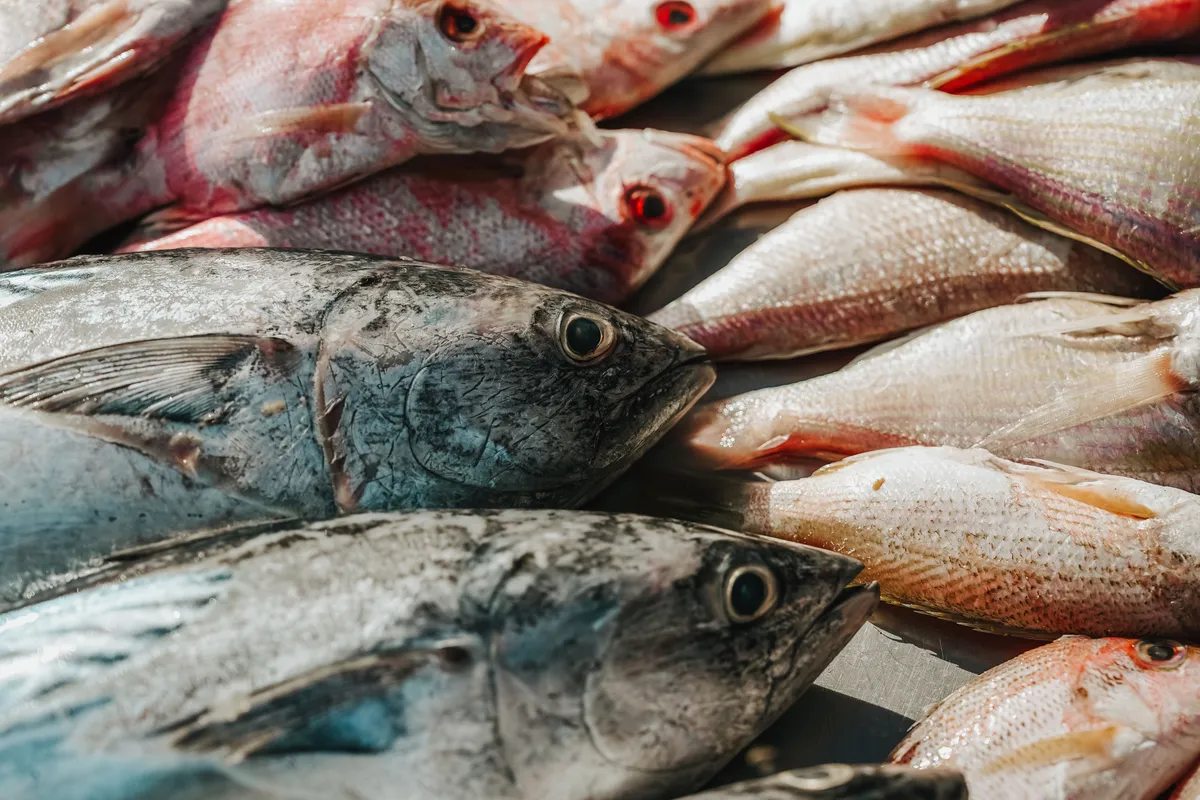
Wild-caught seafood comes from marine, coastal, or freshwater environments where fish and other aquatic species grow naturally. Commercial fishing operations harvest these products using approved fishing methods and subsequently send them for processing, grading, freezing, packaging, and export.
Common examples include tuna, skipjack, squid, octopus, and other marine species. These products are important categories in international seafood markets.
One of the main advantages of wild-caught seafood is its natural availability and the characteristics associated with ocean-harvested seafood. However, supply can vary depending on seasonality, weather conditions, fishing regulations, and natural population levels.
For international buyers, this means wild-caught seafood can offer excellent products but may require more careful planning around availability and specifications.
What Is Farmed Seafood?
Farmed seafood is produced through aquaculture systems where aquatic species are raised under controlled or semi-controlled conditions. Depending on the species, farming operations can take place in ponds, cages, tanks, or other aquaculture environments.
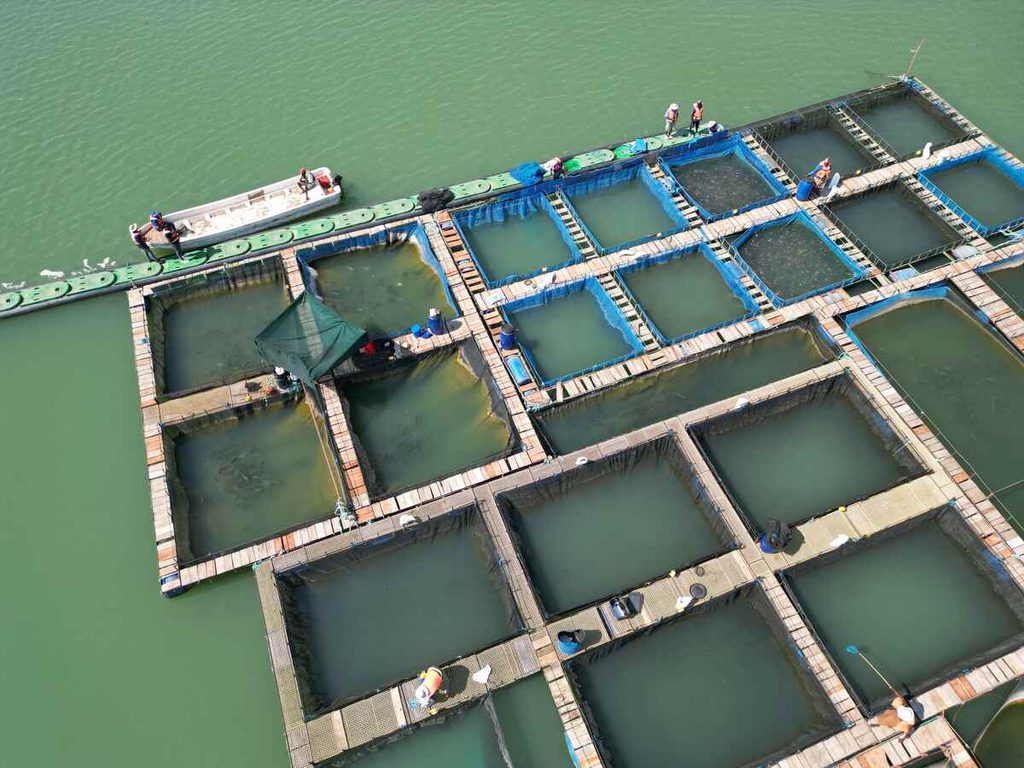
Aquaculture allows producers to manage factors such as feeding, growth, stocking density, harvesting schedules, and production cycles.
For buyers, one significant advantage is predictability. Farming can potentially provide a more consistent supply throughout the year, making it easier to plan purchasing volumes and maintain regular distribution.
A reliable Seafood Supplier should be able to explain the origin of farmed products, production methods, processing procedures, and quality control measures used prior to export.
Wild-Caught vs Farmed Seafood: Key Differences
The most important differences between wild-caught and farmed seafood relate to supply, consistency, product characteristics, sustainability considerations, and purchasing requirements.
| Factor | Wild-Caught Seafood | Farmed Seafood |
| Source | Natural waters | Aquaculture operations |
| Supply | Can vary seasonally | Generally more predictable |
| Production control | Limited | Greater producer control |
| Availability | Depends on natural stocks and fishing conditions | Based on farming cycles |
| Product consistency | Can vary | Often more standardized |
| Sustainability | Depends on fishing practices and stock management | Depends on farming methods |
| Buyer planning | May require flexibility | Can support planned purchasing |
| Best suited for | Products where wild origin is important | Buyers prioritizing consistency |
Neither option is automatically better for every international buyer. The right choice depends on the buyer’s commercial requirements.
For companies purchasing frozen seafood products, consistency in size, processing specifications, packaging, and availability can be particularly important when planning recurring orders.
Which Has Better Quality: Wild-Caught or Farmed Seafood?
Quality should not be determined solely by whether seafood is wild-caught or farmed.
For an importer, quality is influenced by several factors, including:
- Species and product specifications
- Harvesting practices
- Handling after harvest
- Processing conditions
- Temperature management
- Freezing methods
- Hygiene and sanitation
- Packaging
- Storage
- Traceability
- Supplier quality-control procedures
A well-managed farmed seafood product can meet strict commercial specifications, while a professionally handled wild-caught product can also provide excellent quality.
Therefore, buyers should evaluate the supplier’s quality-control system rather than assuming one production method is inherently superior.
This is particularly important when selecting a seafood export company, because the exporter’s role can extend beyond sourcing to product inspection, processing coordination, documentation, packaging, and shipment preparation.
Which Is More Sustainable?
Sustainability is one of the most important considerations when evaluating wild-caught vs. farmed seafood.
Wild-caught seafood can be sustainable when fisheries are properly managed, fishing pressure is controlled, and harvesting methods minimize environmental impact. Sustainable fisheries management can help maintain fish populations and protect marine ecosystems.
Farmed seafood can also be produced responsibly. However, sustainability depends on factors such as feed sourcing, water management, farm density, disease control, waste management, and the environmental characteristics of the farming system.
International buyers should therefore ask suppliers for specific information about the origin and production practices of the seafood, rather than treating “wild” or “farmed” as an automatic guarantee of sustainability.
Which Option Provides a More Consistent Supply?
Supply consistency can be particularly important for wholesalers, food manufacturers, restaurant groups, and international buyers.
Farmed seafood can offer an advantage because production is planned around farming cycles. Producers may have greater control over harvesting schedules and volumes.
Wild-caught seafood is more dependent on fishing conditions. Weather, seasonal availability, fishing regulations, quotas, and natural stock levels can influence supply.
However, established exporters can help buyers manage this variability by working with multiple sourcing areas, planning procurement in advance, and communicating expected availability.
A professional Seafood Exporter should also be able to clearly communicate expected production volumes and availability, particularly when buyers require recurring shipments.
What Should International Buyers Consider Before Choosing?
Rather than asking whether wild-caught or farmed seafood is universally better, buyers should start with their own commercial requirements.
1. Target Market
Consumer expectations can differ between markets. Some buyers may specifically require wild-caught products, while others prioritize consistent supply and standardized specifications.
2. Product Specifications
Consider the required species, size, grade, processing format, packaging, and whether frozen or fresh.
This is especially relevant when sourcing multiple seafood export products, as specifications can vary significantly between species and destination markets.
3. Volume Requirements
Large-volume buyers should determine whether the supplier can consistently meet the required quantity without compromising quality.
4. Supply Reliability
Ask how the supplier manages seasonal changes, production fluctuations, and unexpected supply disruptions.
5. Traceability
Buyers should understand where the seafood originates and whether the supplier can provide appropriate traceability information throughout the supply chain.
6. Quality Control
A reliable supplier should have clearly defined procedures covering raw material inspection, processing, storage, and final product checks.
7. Sustainability Requirements
If sustainability is important to the target market, buyers should verify the supplier’s sourcing practices and relevant certifications or documentation.
Why Indonesia Can Be an Important Seafood Sourcing Market
Indonesia’s extensive marine resources and growing aquaculture sector provide international buyers with access to both wild-caught and farmed seafood products.
For companies considering seafood supplier options in Indonesia, the key is not simply finding a supplier offering the lowest price. Buyers should assess sourcing capabilities, processing standards, product consistency, traceability, documentation, and the supplier’s ability to meet international requirements.
Indonesia’s diverse seafood industry also enables exporters to operate across different product categories, depending on species, production methods, processing requirements, and destination markets.
Companies seeking an experienced seafood exporter should therefore consider more than product availability. The supplier’s ability to coordinate sourcing, quality control, documentation, packaging, and international logistics can significantly impact long-term purchasing success.
You can learn more about CV Anugerah Bahari Mandiri and its seafood sourcing and export capabilities.
For buyers evaluating Indonesian suppliers, our guide on sourcing seafood suppliers in Indonesia offers additional considerations for selecting an export partner.
For businesses importing seafood into the United States, our guide to FDA compliance for Indonesian seafood imports provides additional information about regulatory requirements.
So, Which Should International Buyers Choose?
The answer depends on the buyer’s priorities.
Choose wild-caught seafood when:
- Wild origin is important to your customers.
- The target species is primarily sourced from fisheries.
- You require specific wild-caught product characteristics.
- Your purchasing strategy can accommodate seasonal availability.
Choose farmed seafood when:
- Consistent supply is a major priority.
- You require predictable production volumes.
- Standardized product specifications are important.
- You need greater control over purchasing schedules.
For many international buyers, the best strategy may not be choosing one category exclusively. A diversified sourcing strategy can combine wild-caught and farmed seafood depending on species, market demand, availability, and purchasing requirements.
The most important decision is therefore choosing a supplier capable of providing the right product, quality, documentation, and supply reliability for your market.
Frequently Asked Questions
Not necessarily. Both wild-caught and farmed seafood can provide high-quality products. The better option depends on the species, quality specifications, supply requirements, sustainability expectations, and target market.
Generally, farmed seafood can provide more predictable supply because production and harvesting can be planned around aquaculture cycles. Wild-caught supply is more affected by fishing seasons, weather, regulations, and natural stock availability.
Not automatically. Sustainability depends on how the seafood is harvested or produced. Responsible fisheries and well-managed aquaculture operations can both support sustainable seafood production.
Importers should evaluate product specifications, origin, quality controls, traceability, supply consistency, processing standards, sustainability requirements, certifications, documentation, and the supplier’s ability to meet required volumes.
Yes. Indonesia has both commercial fisheries and aquaculture production, allowing seafood exporters to source different product categories depending on species, market requirements, availability, and buyer specifications.
Neither option is universally better. Long-term sourcing depends on supplier reliability, consistent quality, predictable availability, traceability, competitive commercial terms, and the supplier’s ability to meet changing market requirements.
Buyers should assess the supplier’s sourcing network, processing capabilities, quality-control procedures, traceability, export experience, documentation, certifications, product specifications, and communication before placing a large order.