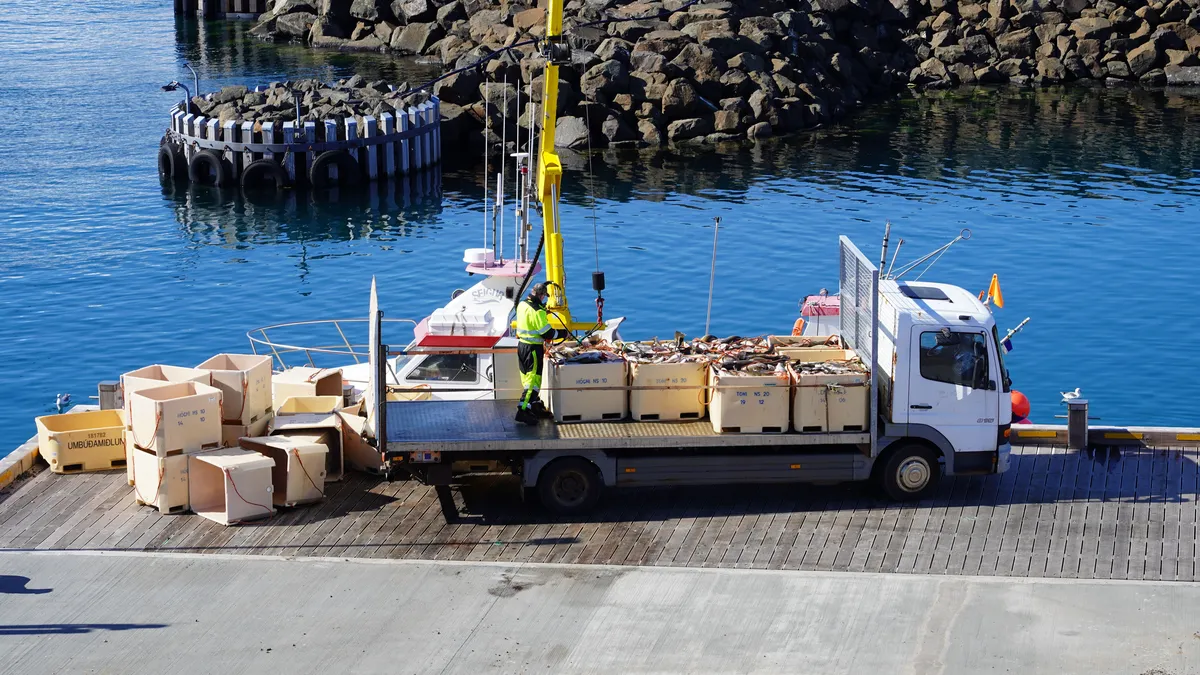
Indonesia’s fisheries exports hit US$6.27 billion in 2025, a 5.2% jump from the previous year, with the United States alone buying nearly US$2 billion worth of products. For importers, retailers, and foodservice buyers, the growth of seafood supply in Indonesia is exciting, but it also raises a hard question: how do you find a seafood supplier in Indonesia that businesses can actually depend on, year after year, shipment after shipment? A reliable supply chain isn’t just about catching fish. It’s about traceability, cold chain discipline, certification, and a partner who treats your business like their own. This guide breaks down exactly how to build (or choose) that kind of supply chain.
What Makes Indonesia a Strategic Source for Global Seafood Buyers?
Indonesia is the world’s largest archipelagic nation, with over 17,000 islands and some of the richest fishing grounds on the planet: the Makassar Strait, the Banda Sea, and the waters around Sulawesi in particular. This geography gives Indonesian fishery product exporters year-round access to tuna, skipjack, shrimp, octopus, cuttlefish, and reef fish species that are in constant demand across the US, Mexico, Japan, and the EU.
According to BPS (Statistics Indonesia), the country’s fishery trade surplus reached US$5.6 billion in 2025, a 3% increase year-on-year, driven largely by shrimp (US$1.87 billion to the US market alone) and tuna-skipjack products. That scale gives buyers real options, but it also means not every seafood export company operates to the same standard. You can browse the full range of species and cuts we process on our products.
Why Do International Buyers Need a Reliable Seafood Supplier Indonesia Partner?
A single missed shipment, a broken cold chain, or an uncertified batch can shut down a buyer’s import license or damage a retail relationship overnight. That’s why sourcing consistently from one vetted seafood supplier partner in Indonesia, rather than chasing the lowest spot price from a rotating list of traders, tends to protect margins better over the course of a full year. We’ve covered exactly what US buyers should be checking before they commit in our guide to sourcing from Indonesia in 2026.
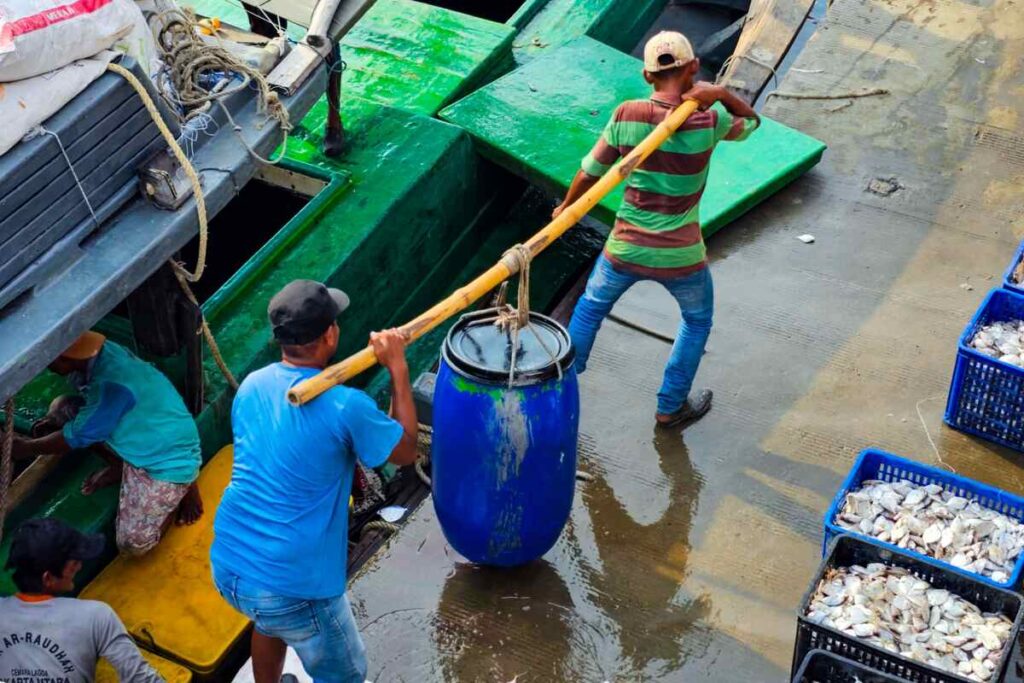
Reliability isn’t a marketing word — it’s measurable. It shows up in on-time shipment rates, consistent cold chain temperatures, and paperwork that clears customs without delay.
The Key Pillars of a Reliable Seafood Supply Chain
Building or choosing a dependable supply chain comes down to four areas working together.
1. Sourcing and traceability. Buyers increasingly ask for full chain-of-custody documentation, from the fishing vessel to the processing plant. Indonesia’s SIMP (Traceability System for Fishery Products) framework exists for exactly this reason, and we’ve laid out how it applies to sourcing decisions in our SIMP sourcing guide. A genuine traceable seafood exporter will show you catch data, not just a certificate.
2. Certification and compliance. BAP certification and FDA compliance aren’t optional line items; they’re what keeps your containers moving instead of sitting in a bonded warehouse. We break down what buyers need to know in our articles on BAP certification and FDA import compliance for Indonesian seafood.
3. Cold chain and logistics. A frozen seafood exporter is only as good as its weakest link in the cold chain — from the processing plant in Makassar to the port, the vessel, and final delivery. Temperature excursions during any one of those legs can ruin an entire batch of frozen seafood products. Our breakdown of the Makassar-to-US cold chain process and typical shipping timelines to the US and Mexico can help you plan realistic delivery windows.
4. Pricing transparency. Currency swings (IDR/USD), farmgate prices, and freight volatility all move landed cost. A trustworthy seafood distributor or exporter will walk you through the cost stack rather than just handing you a number. Our guide to Indonesian seafood pricing explains why Indonesian products are often cheaper without sacrificing quality.
How Can Buyers Vet a Frozen Seafood Exporter Before Signing a Contract?
Before committing to a long-term contract with any seafood trader or exporter, ask for:
- Current HACCP certificates, plus proof of FDA facility registration
- Sample SIMP traceability records for a recent shipment
- References from existing US or Mexico-based clients
- A clear breakdown of FOB/CFR pricing and who covers which leg of freight
- Cold chain monitoring data (temperature logs) from a past shipment
A legitimate seafood export company won’t hesitate to share this. If a supplier is cagey about documentation, treat it as a warning sign, rather than a negotiating tactic.
What Seafood Export Products Does Indonesia Offer?
Indonesian seafood exports span a wide range: sashimi-grade yellowfin tuna, skipjack (cakalang), octopus, cuttlefish, squid, reef fish such as red snapper and grouper, and premium shrimp. We’ve written in-depth pieces on several of these, including sashimi-grade yellowfin tuna sourcing, skipjack tuna exports, and octopus supply between Indonesia and Mexico. For a broader overview of the general requirements exporters must meet, see our article on seafood export product requirements in Indonesia.
Building Long-Term Partnerships With a Seafood Supplier Company
The most resilient supply chains aren’t built on one-off purchase orders; they’re built on relationships. A dependable seafood supplier company should function as an extension of your own operations: proactively flagging catch-season shifts, price movements, or regulatory changes before they become your problem. CV Anugerah Bahari Mandiri has built that kind of long-term partnership model with buyers across the US and Mexico; you can read more about our approach on our profile or see how we’re positioned for US-Mexico market demand.
If your business is ready to move beyond one-off orders and build a dependable, traceable, and cost-transparent seafood supply chain from Indonesia, contact CV Anugerah Bahari Mandiri to start the conversation.
FAQ
One with verifiable BAP/FDA certification, SIMP traceability records, consistent cold chain performance, and transparent pricing — not just the lowest quote.
Typically 20–35 days by sea, depending on port and route, plus customs clearance time. Air freight is faster but costs significantly more.
Often yes, due to lower labor and raw material costs, though pricing shifts with IDR/USD exchange rates and seasonal catch volumes.
Look for HACCP, and FDA facility registration at minimum, plus SIMP traceability documentation for full chain-of-custody visibility.
Shrimp, tuna and skipjack, octopus, cuttlefish, squid, and reef fish like snapper and grouper are the leading export categories.
Request sample SIMP records, vessel catch data, and processing plant documentation tied to a specific recent shipment, not generic certificates.
Yes, an experienced distributor or exporter should guide you through FDA registration, prior notice filings, and customs documentation.
Direct sourcing typically means better pricing transparency, faster issue resolution, and more control over cold chain and quality standards.